


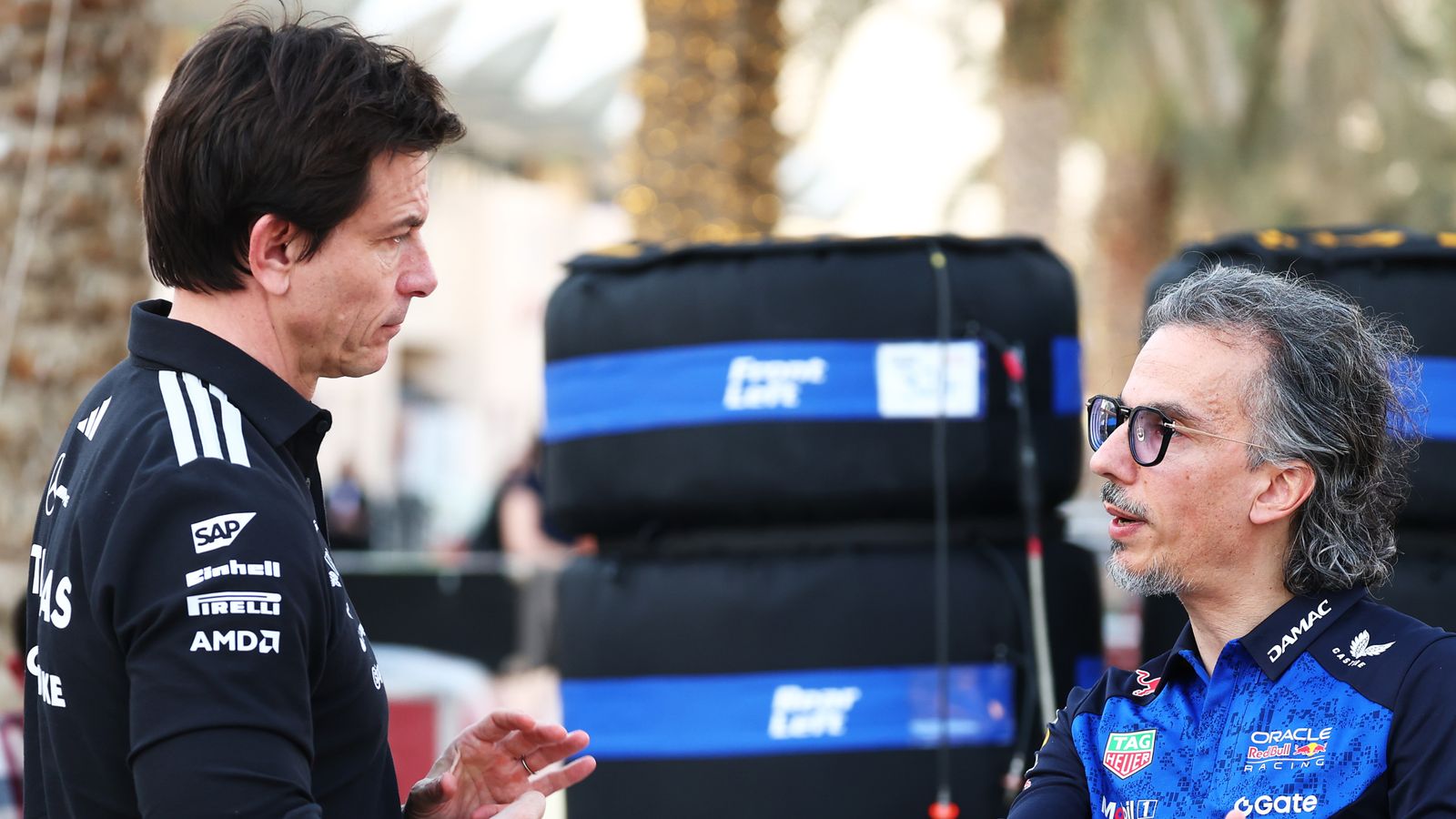
Important Meetings Scheduled Amid F1 Calendar Gaps
While there will be no Formula 1 cars on the track in April, a critical series of meetings begins Thursday, posing potential implications for the season’s restart. This decision comes after the cancellation of races in Bahrain and Saudi Arabia due to ongoing conflicts in the Middle East, which has created a five-week hiatus leading up to the Miami Grand Prix from May 1-3.
Time for Evaluation Following the Season’s Opening Races
The additional time following the initial three races in Australia, China, and Japan has afforded F1 leadership an opportunity to reflect on and possibly revise the new regulations that are set to be implemented for the 2026 season. Early feedback indicates mixed outcomes from the introduction of new power units and chassis, with leading drivers like Lewis Hamilton expressing increased enjoyment in racing, albeit acknowledging some ongoing issues.
Drivers Voice Concerns About New Regulations
Discussions about the regulatory framework were initially intended to occur after the early races, but the events at Suzuka have intensified those discussions. Various drivers have raised concerns regarding energy management during qualifying, particularly highlighted by Oliver Bearman’s crash stemming from significant speed differentials with slower cars recharging their batteries.
Max Verstappen Considers Future in the Sport
Max Verstappen has been particularly outspoken about the current regulatory climate. The four-time world champion has hinted at the possibility of retiring from Formula 1 at the season’s conclusion if the regulations remain unchanged. His comments underscore the growing sentiment among drivers for a reassessment of the rules that govern the sport.
Key Issues to Address in Upcoming Discussions
The new power unit regulations dictate a 50% split between electric and internal combustion engine power, increasing reliance on battery charging during races. This shift has necessitated that drivers either manage battery levels effectively or utilize a technique known as “super-clipping,” which involves momentarily slowing down to recharge. The dangers associated with this practice were glaringly illustrated in Bearman’s crash, prompting unified calls from drivers for regulatory changes.
Calls for Safer Racing Solutions
Carlos Sainz of Williams, who holds a position on the Grand Prix Drivers’ Association, has emphasized the need for discussions with the FIA after the incidents in Suzuka. He pointed out that “better solutions” are crucial for ensuring safer racing conditions, especially considering the high-speed nature of overtaking maneuvers. Sainz has indicated that the upcoming Miami Grand Prix could see proposed regulatory adjustments aimed at enhancing driver safety.
Ongoing Challenges with Energy Management
The intricate balancing act of energy management has become a frequent topic among drivers, particularly as it impacts their performance during crucial qualifying laps. Charles Leclerc from Ferrari has remarked on the frustrations stemming from this dynamic, stating that the current system forces drivers to restrain themselves to avoid detrimental repercussions during races, and he hopes for modifications that allow for a more competitive environment.
Looking Ahead to Future Meetings
Sky Sports News has reported that the meeting scheduled for Thursday is primarily a brainstorming session, with no definitive decisions expected. It will lay the groundwork for further discussions later in April, involving representatives from F1’s commercial rights holder, the FIA, and various teams. Although immediate changes are unlikely, this collaborative process aims to address the concerns raised by drivers while reflecting the engaging audience response to recent races.
