


Delaware Proposes Bill to Restrict Private Prison Operations
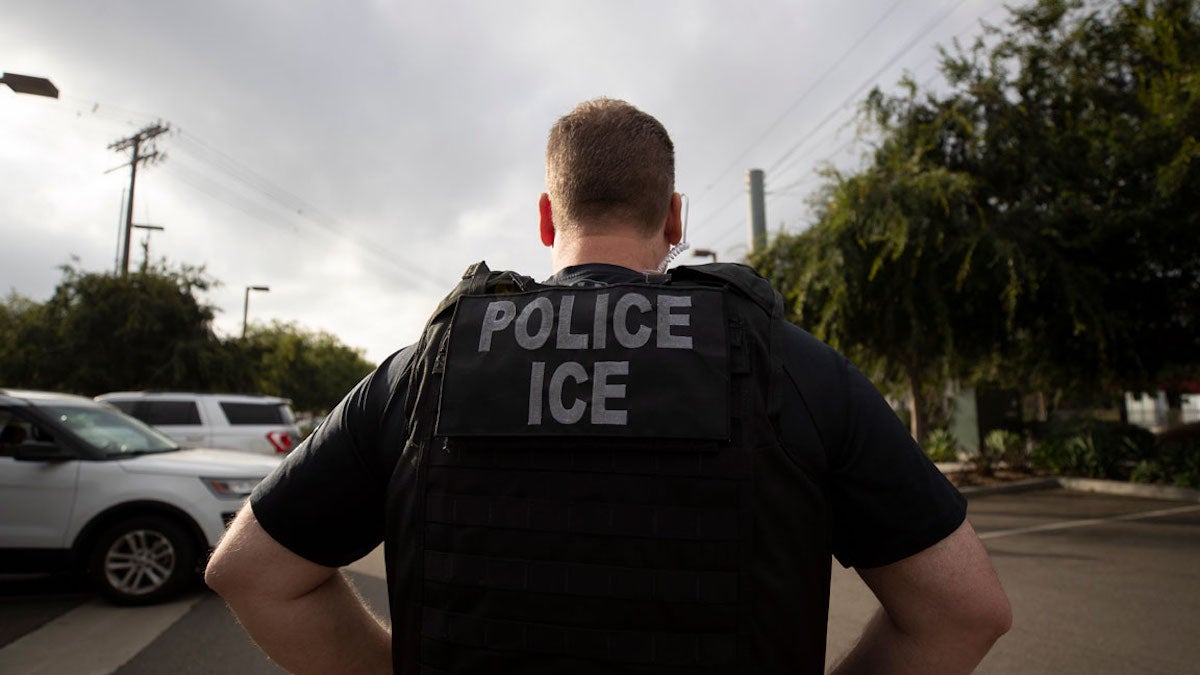
For many years, the U.S. Department of Homeland Security has established guidelines preventing immigration enforcement actions in designated sensitive areas, which include schools, churches, and hospitals. Under the administration of former President Joe Biden, these policies were expanded to limit operations by Immigration and Customs Enforcement (ICE) and Customs and Border Protection near courthouses. However, this guidance was undone when President Donald Trump rescinded the restrictions upon taking office again in January 2025.
Data analysis from the Deportation Data Project reveals alarming trends in local arrests. In Delaware, ICE agents apprehended approximately 689 individuals in 2025, a stark increase from the 220 arrests in 2024. The majority of these arrests occurred on the streets, with only a small number stemming from state correctional facilities and probation offices. The Deportation Data Project, a collaborative effort by academics and legal professionals dedicated to transparency in immigration enforcement, voiced concerns regarding the limitations inherent in available data sources.
Amendments to Detention Bill Prior to Floor Vote
States like Delaware face significant challenges in restricting the cooperation of private prison contractors with federal immigration authorities regarding the operation of immigrant detention facilities. Court rulings have indicated that states cannot prohibit the establishment of federal private detention centers. Notably, laws in New Jersey and California that ban the establishment of such facilities remain intact.
The Department of Homeland Security (DHS) has been exploring the conversion of warehouses across the nation into operational spaces for immigration enforcement. This comes in the wake of the controversial “Big and Beautiful Bill,” which was passed by Congressional Republicans last summer and earmarked $45 billion for ICE to enhance its immigration detention system. However, local community pushback has reportedly led to a pause in DHS’s efforts to secure these warehouse locations.
Earlier this year, ICE made a significant acquisition by purchasing a warehouse in Berks County, Pennsylvania, for $87 million. Currently, ICE operates six detention centers in New Jersey, including one that was inaugurated in May 2025, according to deed records.
The initial version of the bill, introduced by Representative Gorman last year, aimed to outright ban the operation of private detention facilities in Delaware. Following the court’s ruling, Gorman adjusted her approach to focus on regulation rather than prohibition.
Katherine Bowman, a legislative aide to Gorman, explained that the revised language of the bill draws inspiration from similar regulations in Illinois. Instead of an outright ban, it seeks to prohibit state contracts, funding, and resources to private detention facilities. Bowman emphasized, “While this change may not fulfill our original intent of preventing future federal private detentions, it still serves a crucial purpose. By disengaging the state from participation, we send a strong message to private developers that the state stands against private detention. Historical precedents suggest that public opposition is one of the most effective means for communities to deter such facilities.”
