


Life Behind Bars for an Asylum Seeker
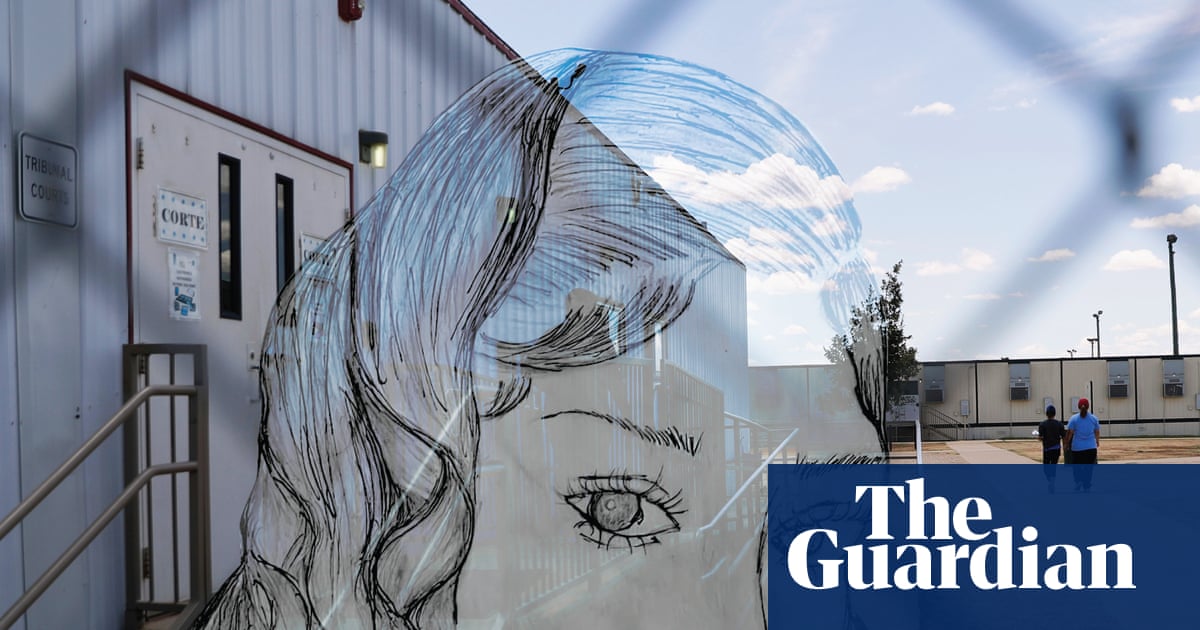
For Olivia, every day in detention feels interminably long. The 19-year-old asylum seeker from the Democratic Republic of Congo has spent over four months at the Dilley Immigration Detention Center in Texas. “Another day passes and another night comes,” she says, expressing a feeling that this nightmare may never end.
She is among approximately 5,600 migrants currently held at this expansive facility, with over half being children. Since its reopening last year, human rights advocates, pediatricians, and lawmakers have urged the Trump administration to close such facilities and to cease the confinement of children.
Olivia was apprehended in November, along with her mother and two younger brothers. Following their arrest, the family was initially separated but later reunited in Dilley. Once they were set to be released, Olivia found herself alone as ICE opted to release her family but not her. As time progressed, she became increasingly lethargic.
Midnight Trials
Olivia describes the nighttime hours as the most challenging. Initially, she would scream in her sleep, but now, she struggles to find rest. “At night, when no one is paying attention, I cry quietly until I’m too exhausted to keep my eyes open,” she reveals, often succumbing to sleep around 3 a.m.
In those restless hours, she is haunted by memories, including thoughts of her brother Manuel, who tragically drowned at the age of eight during their journey from South America to the U.S. Along with her mother and siblings, Olivia fled political persecution in the Democratic Republic of the Congo, ultimately arriving in the U.S. in December 2022 after a long and arduous journey.
Reflecting on her family’s struggles, Olivia feels a profound sadness at how much they endured, including the loss of Manuel, only to find themselves in Dilley. Just five months prior, she was living in Maine, recently graduated from high school and certified as a nursing assistant, while her siblings Joel and Estefania awaited the outcome of their asylum case.
After their family’s asylum application was dismissed, they planned to seek refuge in Canada, but were detained shortly thereafter. While Olivia’s mother and siblings were sent directly to Dilley, Olivia, as a legal adult, was separated and transferred between facilities, enduring processes akin to those depicted in crime dramas.
Morning Reflections
Olivia’s day begins at 6 a.m. with a modest breakfast of pancakes, boiled eggs, and milk. Although the meals are not stellar, she tries to eat to sustain herself. Following breakfast, she often returns to sleep, waking around 11 a.m. or noon with recurring headaches; her contact lens prescription has expired, causing her vision to suffer under harsh lighting.
Some days, she feels drained, spending hours in bed with little motivation to engage. Others, she manages to connect with fellow detainees. In a serendipitous moment, she learned that her mother and siblings were nearby in different parts of the facility. Upon hearing her sister’s distant call, she realized they were indeed in Dilley. Their reunion was a brief yet emotional respite amidst their turmoil.
During visitation, Olivia was overwhelmed with joy to see her family. “We hugged each other, my mom cried, and we talked about what happened to us,” she reflects. Every day, her sister Estefania would call out her name, yearning for their connection. However, outside of these moments, Olivia often felt isolated, with staff permitting only limited family visits.
Afternoon Challenges
Afternoons can feel endless now that her family is gone. In her shared room, a small television provides some distraction, yet Olivia largely finds herself without energy or desire to engage with activities, particularly as other detainees are released over time.
Despite the scant friendships she built initially, Olivia withdrew from socializing as the fear of potential injury and the complexities of the medical system weighed heavily on her. Compounding her despair, she has faced pressure from immigration officials regarding her status, despite her granted deferred departure—meaning she cannot be deported while her case is under appeal.
Olivia’s feelings of emptiness intensify in these long afternoons. She has lost approximately 20 pounds and struggles with her appetite. “I feel a huge emptiness inside,” she shares, recalling her life in Maine where she enjoyed cooking and spending time with her family.
Reports by RICES, a legal services nonprofit, and advocacy group Human Rights First, have highlighted serious issues within Dilley, including inhumane conditions and mental health concerns. Nearly 4,000 medical professionals have called for the release of all children in such facilities, underscoring the significant harm inflicted on their wellbeing.
Evening Memories of Home
As night approaches, Olivia often reads messages from friends back in Maine, many of whom are now starting families and moving forward with their lives. “I don’t feel good talking to my friends because I see my life being put on hold while everyone else continues,” she laments, wistfully recalling her dreams of becoming a nurse, a career she had envisioned before arriving in Dilley.
While reflecting on the missed opportunities, she dreams of returning to her favorite island off the East Coast where she would find solace and comfort. “When I was sad, I would go there and eat ice cream,” she reminisces, hopeful for the day when she can escape the confines of Dilley and reclaim her life.
