


Iran Moves Toward Peace Talks with the U.S. Amid Regional Tensions
TEHRAN, Iran — Experts assert that Iran approaches peace negotiations with the United States from a position of strength, having successfully navigated recent challenges. However, escalating Israeli attacks in Lebanon present a potential threat to this dialogue, raising the specter of prolonged conflict in the region.
State media reported remarks from Iran’s new supreme leader, Mojtaba Khamenei, who declared a clear triumph in the ongoing conflict just days before the scheduled discussions in Islamabad this weekend. This sentiment resonates throughout Tehran, where both government officials and citizens alike have framed recent developments as victories for Iran.
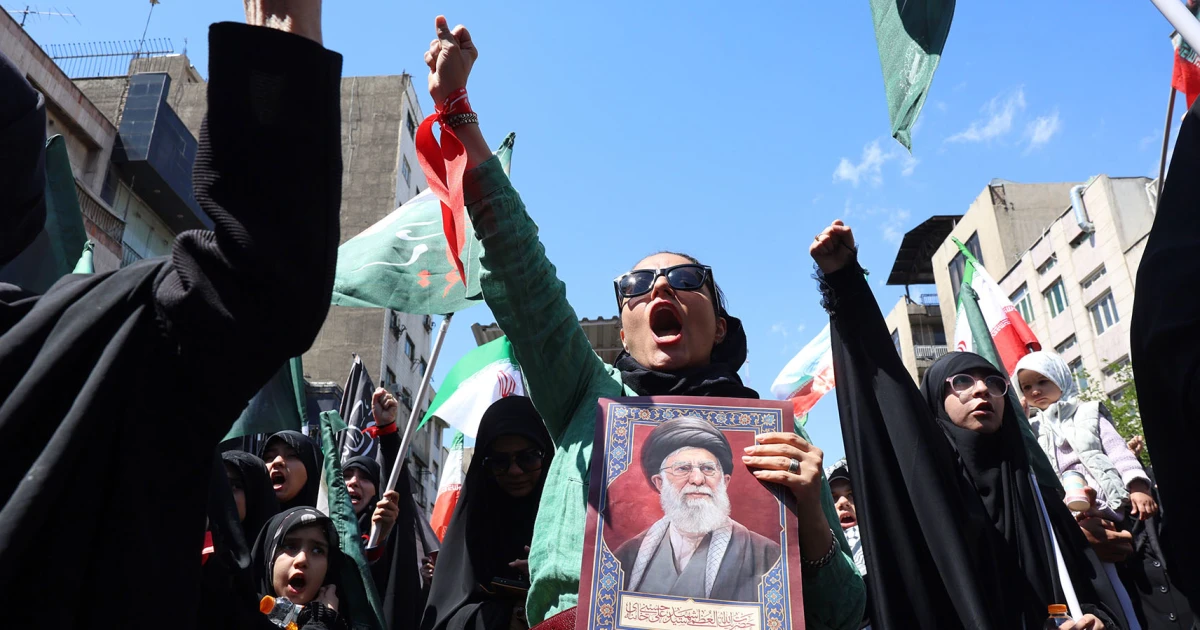
Vice President Mohammad Reza Aref highlighted the recent two-week ceasefire as “the beginning of a new era for Iran,” posting about it on social media. This tentative peace allowed large pro-government gatherings in central Tehran, coinciding with the 40th day of mourning following the passing of the senior leader, Ayatollah Khamenei. Mourners vocalized their sentiments against any potential capitulation.
Public Sentiments Amid Cautious Optimism
Despite the trumpeted victories, many attendees at the rallies conveyed skepticism about the peace talks. “We’re not very optimistic because we know the other side,” Yahya, a protester, told NBC News, expressing doubts about genuine concessions from the U.S. government. He echoed the sentiment that core issues, such as the Strait of Hormuz and Iran’s nuclear ambitions, would remain contentious in any negotiations.
Amid heightened expectations, President Donald Trump asserted the need for Iran to adhere to specific conditions, including reopening crucial oil shipping routes through the Strait of Hormuz, a passageway for approximately 20% of the world’s oil supply. Just two days following the declaration of the ceasefire, Trump accused Iran of failing to facilitate maritime traffic, underscoring Tehran’s continued leverage over a vital economic artery.
An analysis from Burk Ozcelik, a senior fellow at the Royal United Services Institute, noted that Iran holds a strategic advantage during this phase of conflict due to its effective control over the Strait of Hormuz. However, she cautioned that President Trump is unlikely to acquiesce to Iran’s more controversial demands during the upcoming talks.
Reports from Iranian media indicate that the government’s proposal includes stipulations regarding the retention of control over the Strait of Hormuz and the complete withdrawal of U.S. military forces from the region. Furthermore, discussions may involve recognition of Iran’s nuclear enrichment capabilities, which starkly contrasts with U.S. interests that seek to prevent a nuclear-armed Iran.
Challenges to Negotiations
As preliminary discussions are set to take place, the Iranian government has expressed apprehensions about the impact of ongoing Israeli assaults on Lebanon. Recent Israeli actions have raised concerns that the talks could become irrelevant, especially as Israel claims that Lebanon is not included in the ceasefire agreement that Iran and Pakistan argue it is part of.
While Israel plans to initiate direct talks with Lebanon amidst an active exchange of attacks involving Hezbollah, the Lebanese government has yet to respond to these overtures. The uncertainty around Lebanon’s involvement in the ceasefire could complicate U.S.-Iran negotiations led by Vice President J.D. Vance.
Domestic Reactions and Economic Realities
On the ground in Tehran, many residents remain cautiously optimistic about the prospects of peace. While some gravitate toward daily routines like coffee outings, underlying concerns dominate the discourse about the long-term economic implications of the ceasefire. A teacher lamented that without a favorable deal with the United States, the nation could face renewed water shortages and continuing economic hardships that threaten daily life.
At a rally, a man voiced frustration over his unpaid wages amid the prevailing political climate, questioning the jubilant attitude of pro-regime supporters. Meanwhile, many fall in line with sentiments of doubt regarding the regime’s ability to bring about significant change amidst what some perceive as enduring clerical dominance.
As discussions approach, residents like 42-year-old Azadeh express a mix of hope and uncertainty. She intends to celebrate her birthday in the capital, contingent on whether the ceasefire holds. Echoing this cautious optimism, another Tehran resident shared her disappointment with the absence of meaningful change, reiterating, “We tried everything and nothing worked.”
