


Shifting Consumer Priorities in Protein Purchases
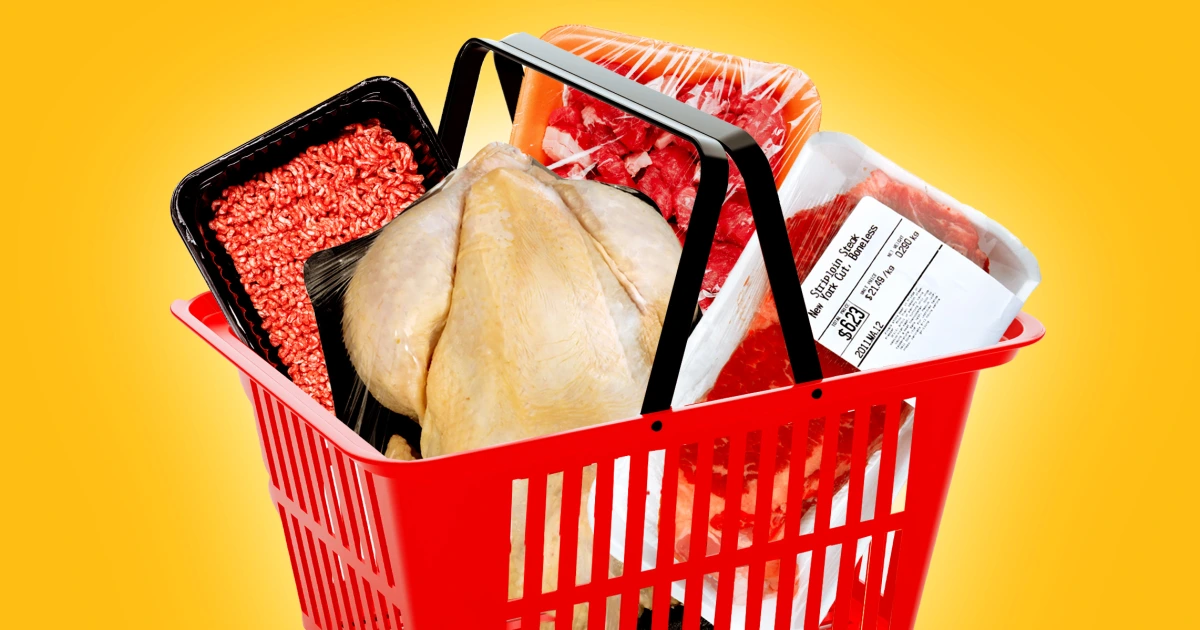
As consumers prioritize health, there has been a notable increase in meat purchases. However, health experts encourage shoppers to broaden their focus beyond the meat counter.
Recent data from an annual survey conducted by the food industry groups FMI and the Meat Institute reveals that over 75% of U.S. consumers view meat and poultry as integral to a healthy, balanced diet, an increase from 64% in 2020. The survey also found that 45% of respondents are actively attempting to incorporate more meat or poultry into their meals, while 31% do so occasionally.
Consumer Interest in Proteins Remains High
The cornerstone of this trend appears to be an increased interest in proteins. The report emphasizes that proteins remain central to consumer preferences, indicating a sustained desire for high-protein foods.
Julie Anna Potts, CEO of the Meat Institute, stated that the survey’s findings reinforce the “irreplaceable role of meat” in delivering “healthy, convenient, and affordable meals.” The association has long advocated this perspective to policymakers, supporting recent U.S. dietary guidelines that emphasize the importance of protein, particularly from meat and full-fat dairy products. Last month’s report was announced at the industry’s annual meat conference, featuring Health Secretary Robert F. Kennedy Jr. as a guest.
Growing Consensus on Protein Consumption
The protein trend has gained momentum, bolstered by federal encouragement. Notably, President Kennedy recently reaffirmed that “Protein isn’t bad for you,” highlighting that certain demographics—such as older adults and pregnant women—may require higher protein intakes. Nutritionist Erin Hennessy from Tufts University cautions, however, about misconceptions: “Protein intake and health are not linear”—a misunderstanding prevalent among the public.
Understanding Nutritional Trade-offs
Despite meat’s reputation as a rich protein source, it is not without health risks. Dr. Sarah C. Hull, a cardiologist at Yale Medicine, warns that high levels of saturated fat found in red meat can elevate LDL cholesterol and increase the risk of cardiovascular diseases. Her research indicates that mammalian meats often contribute to inflammation and may adversely affect gut health. Additionally, compounds like heme iron, present in meat, have been associated with certain cancers and type 2 diabetes.
In contrast, the Meat Research Institute challenges these health concerns, asserting that evidence linking meat consumption to heart disease is “low-quality” and the relationship is ambiguous. However, Dr. Hull refutes this, likening the industry’s response to tactics previously used by the tobacco industry to downplay smoking’s dangers. She affirms the extensive benefits of a plant-forward diet while recommending a reduction in red meat and processed food intake.
Guidelines on Protein Requirements
Health authorities emphasize that most Americans consume enough protein. Hennessy notes that the previous recommendation of 0.8 grams of protein per kilogram of body weight has been updated; Americans should now aim for 1.2 to 1.6 grams per kilogram. For individuals weighing 150 pounds, this translates to 82 to 109 grams of protein daily.
While protein is essential, excessive intake can lead to negative health outcomes, including kidney strain and dehydration. Hennessy suggests a shift toward plant-based proteins, which often provide essential nutrients not found in red meat, such as abundant fiber. This aligns with findings that many Americans do not get enough dietary fiber, needed for optimal health.
The Future of Protein Consumption Trends
Despite rising beef prices—reportedly increasing more than 12% year-over-year—consumers continue to buy meat and poultry, with 68% considering these essentials in their grocery budgets. Data shows that beef constituted 70% of U.S. meat sales, totaling $112 billion last year, signaling a strong market for protein-rich foods.
Jim Casson, president of Theory House, notes that the growing emphasis on protein is evident in new marketing strategies, even as companies roll out packaging that highlights protein content prominently. He anticipates that the focus on protein will continue to grow across all consumer platforms, illustrating a shifting landscape in the food industry.
