


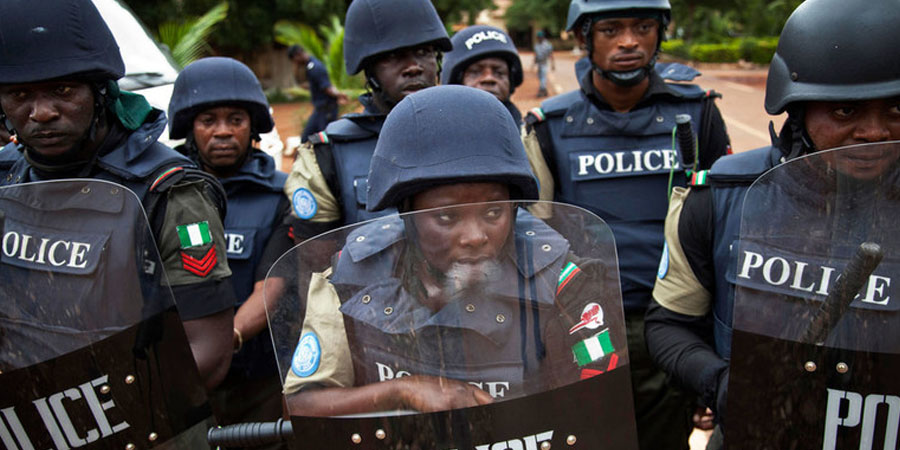
Debate Intensifies Over the Need for State Police in Nigeria
The discourse surrounding the establishment of state police in Nigeria is gaining momentum, largely due to the evident shortcomings of the federal security framework in addressing the nation’s escalating security concerns. Historical and contemporary examples from various federations highlight the effectiveness of tailored policing structures that align with regional needs. It is evident that a single, uniform policing model is inadequate. For instance, in Spain, only three provinces maintain their own police forces, while many rely on a national police framework. Similarly, Canada, despite being a federation, has only two provinces with provincial police forces, with others under the jurisdiction of the Royal Canadian Mounted Police. Italy also illustrates this variation with three national police forces and a limited number of regional forces.
Proposing State Police as a Solution
The pressing issue of under-policing in Nigeria underscores the urgent need for a dedicated state police force. This initiative could serve as a meaningful expression of solidarity from the government to families affected by crime, ultimately fostering a more effective and comprehensive policing approach across the country.
Learning from India’s Policing Model
India’s policing framework, in which each state has its own police force led by a commissioner, offers a potential model for Nigeria. While this system can be beneficial, it must be adapted to ensure that overall control remains with the federal government. Such adaptations should prioritize enhancing national security while allowing for regional approaches to law enforcement.
Revising Police Deployment Strategies
Nigeria could explore a revised deployment strategy for police officers. Placing police personnel in their home provinces—led by non-indigenous commissioners—could lead to more impactful law enforcement. Such a structure could enhance accountability among officers and enable better information gathering, ultimately benefiting national security efforts. This initiative aims to cultivate a sense of duty among officers, emphasizing their role not just as government employees but as vital contributors to community safety and peace.
Enhancing Local Intelligence and Investigations
Officers stationed in their home regions possess crucial insights into local dynamics, enhancing their effectiveness in intelligence gathering and investigative operations. Familiarity with the community allows for more relevant policing, as officers understand individual profiles and local issues, increasing the likelihood of successful outcomes in criminal investigations.
Addressing Broader Governance Challenges
As law enforcement agencies seek to reform their practices, it is imperative that governments tackle governance failures at all levels. This includes enhancing social service delivery, improving infrastructure, creating job opportunities, ensuring consistent electricity supply, and addressing the overarching issue of development amid rising oil revenues. Urgent and sustainable governance reforms are necessary not only to strengthen law enforcement but also to mitigate crime rates effectively.
This perspective on policing and governance has been articulated by public analyst Albinus Chiedu, from Adeniyi Jones Avenue, Lagos.
