


Government Condemns Overseas Crowning of Eze Ndigbo
The Federal Government has issued a strong condemnation of the increasing trend of appointing individuals as Eze Ndigbo, the traditional rulers of the Igbo community, outside Nigeria. Officials assert that this practice not only leads to diplomatic tensions but also creates significant embarrassment for Nigeria and its citizens living abroad.
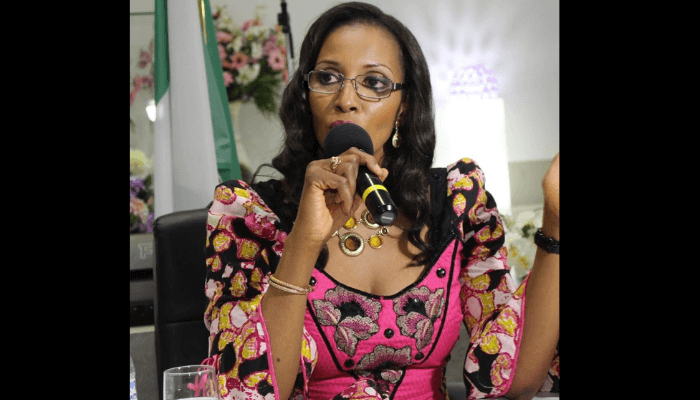
On Thursday, Minister of Foreign Affairs Bianca Odumegwu Ojukwu articulated the government’s concerns during a meeting with the Imeobi, the top decision-making body of Ohanaeze Ndigbo Worldwide, held in Enugu.
In a statement released by his aide, Magnus Eze, the minister indicated that the growing number of these foreign titles has become a major source of embarrassment for the government, the Igbo people, and those in the host countries where these titles are bestowed.
Odumegwu-Ojukwu’s comments follow recent unrest in the Eastern Cape province of South Africa, which erupted following the controversial crowning of Solomon Ogbonna Ejiko as ‘Eze Ndigbo na East London’. The incident triggered protests in the Gompo area, with demonstrators accusing the Nigerian community of attempting to establish a parallel traditional authority that undermines local governance.
Protests, which began on March 30, escalated into violence, resulting in the destruction of at least 13 vehicles and the looting of businesses. In response, South African security forces deployed stun grenades and tear gas to restore order. The authorities quickly distanced themselves from the crowning, emphasizing that it lacked legitimacy within their customary law.
The Eastern Cape Traditional Leaders’ Council and the Khoisan Leaders’ Council condemned the event as a violation of local customs, while the Department of Cooperative Governance and Traditional Affairs deemed it illegal under South African constitutional provisions.
Minister Odumegwu-Ojukwu recalled a similar incident in Accra, Ghana, in July 2025, where diplomatic tensions over Eze Ndigbo titles also sparked protests and threats against Nigerians. She led a federal delegation to liaise with Ghanaian authorities, including President John Mahama, to quell the unrest. Thanks to Mahama’s intervention, which reaffirmed commitments to the ECOWAS Protocol on Freedom of Movement, potential violence against Nigerians and their businesses was averted.
Calling for stricter sanctions against individuals who continue to confer these titles abroad, Odumegwu-Ojukwu emphasized the need for cultural expressions to align with the laws and traditions of the host nations. She added that the Ministry of Foreign Affairs would work to inform Nigerian embassies worldwide about the decision to abolish foreign titles conferred by Ohanaeze Ndigbo.
Previously, Azuta Mbata, chairman of Ohanaeze Ndigbo Worldwide, announced that the organization, in collaboration with traditional leaders in the South-East, has officially abolished the practice of awarding Eze Ndigbo titles outside Igboland. He stressed that any titles conferred elsewhere lack recognition among the Igbo people, and a notification would be sent to state governments and Nigerian missions globally, alongside community-level sanctions for violators.
To address the fallout from the East London coronation, Nigeria’s diplomatic mission in South Africa clarified that the event represented a misunderstood cultural celebration rather than an official traditional institution. The Nigerian Consulate General in Pretoria also urged calm and advised community members to maintain a low profile to prevent further escalation of tensions. Deputy High Commissioner Olajide Ogunmaji reassured demonstrators that the coronation was primarily ceremonial and not intended to challenge South Africa’s traditional leadership structures.
