


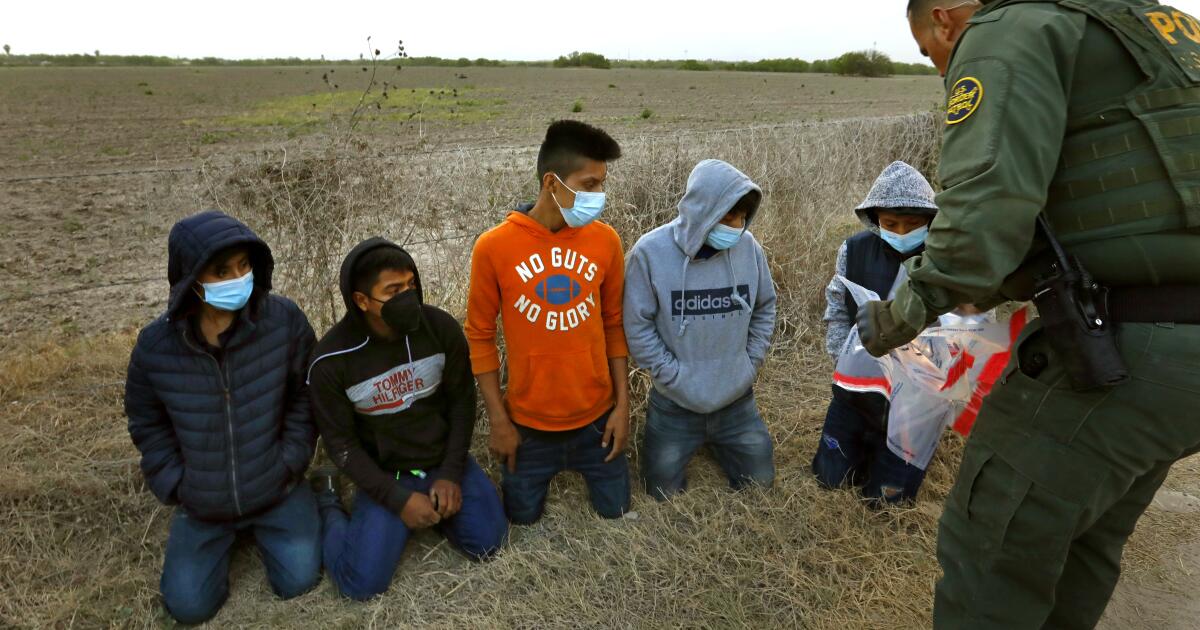
Federal Judge Blocks Coercive Practices Against Unaccompanied Migrant Children
WASHINGTON — In September, the Department of Homeland Security began advising unaccompanied migrant children about the potential consequences of their status, including voluntary deportation and long-term detention. However, a federal judge in Los Angeles has intervened, ordering the government to cease such “blatantly coercive” language. This ruling is in direct violation of a longstanding court order designed to protect unaccompanied minors from being pressured into abandoning their asylum claims.
Legal recommendations were provided to recently detained immigrant children, who are defined as minors without a parent or legal guardian present. These children were given the option to return to their home countries and assured there would be no administrative penalties for doing so, alongside the ability to continue seeking visas.
Nevertheless, the advisory also included warnings that those who opted for a hearing with an immigration judge or expressed fears about returning could be detained for an “extended period.” Additionally, minors who turned 18 while in custody were informed they would be transferred to Immigration and Customs Enforcement for deportation. Although this advice was verbally communicated, it was later documented by attorneys representing the minors, without objection from the government.
The advisory included alarming statements regarding the legal status of sponsors in the U.S., cautioning that if a sponsor lacked legal immigration status, they could face arrest and deportation, along with potential criminal charges.
U.S. District Judge Michael W. Fitzgerald highlighted the troubling similarities between current practices and past testimony from José Antonio Pérez Funes, a plaintiff from a 1980s class action lawsuit against immigration officials. During the trial, Pérez Funes recounted how he agreed to self-deportation after being threatened with long-term detention by federal agents.
Fitzgerald emphasized that the government should have known that this type of coercive language was precisely what the court injunction aimed to prevent. He also rejected a request from the federal government to eliminate existing protections for unaccompanied minors.
In response to the ruling, U.S. Customs and Border Protection provided a statement asserting that the agency is acting in accordance with the law and prioritizing child safety. The statement reiterated the necessity of clear and legal guidance for unaccompanied children, particularly those vulnerable to trafficking and exploitation, stating that for many, returning home may be the best option.
Upon their initial detention, unaccompanied minors are transferred from the Department of Homeland Security to the Office of Refugee Resettlement within the Department of Health and Human Services for long-term housing. Federal law mandates that ORR provide legal counsel within ten days of custody.
Judge Fitzgerald noted the coercive environment children face within their first 72 hours of detention, particularly for those who may not fully understand their rights. Statements submitted to the court reflected that many minors felt threatened by the government’s advisories, including one child who revealed he signed voluntary departure documents under duress related to potential prosecution of his parents.
Mark Rosenbaum, an attorney with the pro bono law firm Public Counsel who played a role in securing the original protections in 1986, expressed concern over the government’s shift in recommendations, which occurred following an inquiry from government lawyers in November. “This feels like a war on the most vulnerable among us—our children,” he stated.
The government faces a deadline of Thursday to decide whether to appeal Judge Fitzgerald’s ruling. Regardless of the outcome, Rosenbaum emphasized his commitment to advocating for rigorous oversight to ensure that the rights of unaccompanied children are upheld.
