


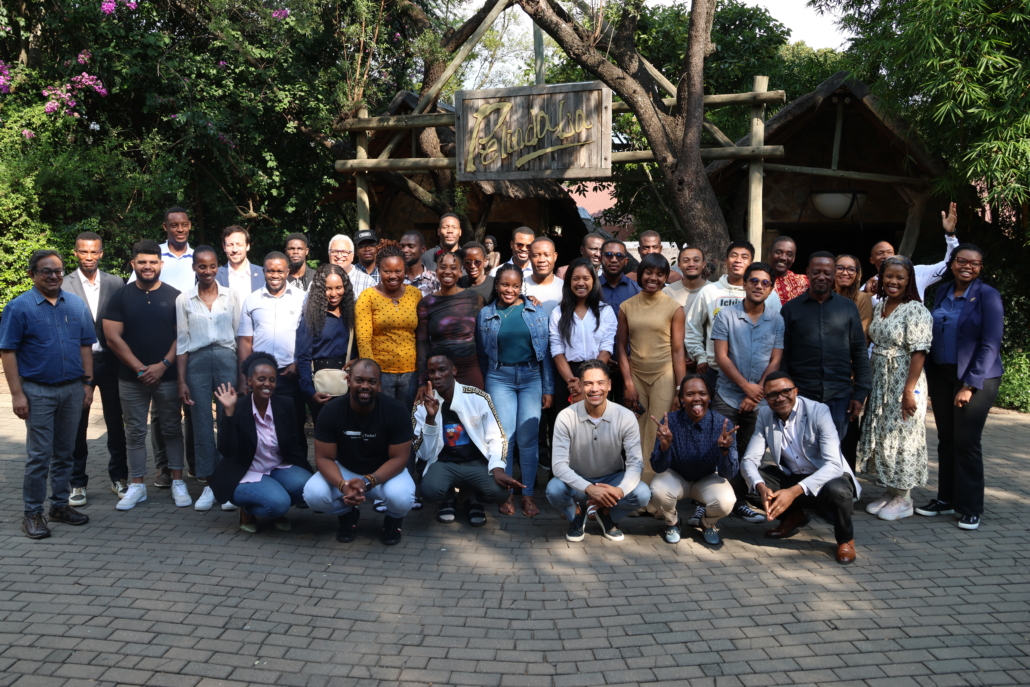
African Technology Takes Center Stage with ASEP Graduation
The landscape of African technology has taken a significant leap forward. From March 30 to April 2, 2026, the South African Radio Astronomy Observatory (SARAO) celebrated the successful conclusion of the 18-month African Science Entrepreneurship Program (ASEP).
This initiative was realized through a robust partnership with the University of Leeds, the International Support Programs Fund, affiliated with the British Council, and the Empire Partners Foundation. The culmination of this effort was marked by a three-day technology roadshow, themed “African Solutions to African Challenges: Celebrating the African Science Entrepreneurship (ASE) Class of 2026.” This event included a graduation ceremony and product exhibition held at the Misty Hills Country Hotel in Johannesburg, offering a platform for the next generation of scientific innovators across the continent.
The program’s journey commenced with an impactful masterclass focusing on leadership and networking. Participants engaged with renowned entrepreneurs who shared invaluable insights. Marlize Holzhausen, founder of Response24, recounted her transformation of a personal crisis into a global emergency platform, emphasizing the importance of strategic partnerships for securing international funding. Dr. Bessie Marilla from the University of Johannesburg delved into the realms of telemedicine, urging participants to harness artificial intelligence to tap into new business avenues within digital healthcare. Additionally, Tone Thomas-Vadutala, a Senior Director at Leeds University Business School, offered a practical framework for success, discussing entrepreneurial capability mapping and the critical value of partnerships.
The program continued on its second day, shifting from classroom learning to immersive experiences in some of Africa’s most influential business incubators. Participants visited 22 on Sloane, where leaders Carmen Rudd and Nthame Mametja assist startups in fine-tuning their scrum methodologies and go-to-market strategies. They also explored Wom Hub, a dedicated space supporting female founders in STEM, and the Chimologon Digital Innovation District, where CEO Mark Harris introduced a cutting-edge model aimed at scouting digital talent and providing essential resources for scaling businesses in Africa’s burgeoning digital economy.
The final day showcased participants’ creativity and application of their rigorous training over the past 18 months. They presented innovative projects to a panel of judges, demonstrating how they were addressing real-world challenges. Mpho Setibe from Botswana exemplified the spirit of the program with her initiative focused on connecting African entrepreneurs to mentorship, funding, and compliance support. She credited her training at Leeds University, particularly the Business Model Canvas (BMC) workshop, as pivotal in ensuring her business’s sustainability.
Laurinda Macaringue from Mozambique shared her aspirations, acknowledging the road ahead while expressing optimism that the networks and tools she acquired through ASEP would empower her to develop lasting solutions on the continent. Mark Johnson, SARAO’s Chief Intellectual Property Officer and program lead, praised the graduates and highlighted the forthcoming funding round aimed at new participants, showcasing the organization’s commitment to advancing entrepreneurship in Africa.
Through leveraging their scientific prowess, SARAO and its partners continue to illustrate that the intersection of African research and entrepreneurship opens up a realm of endless possibilities. This initiative not only celebrates the graduates but also propels the continent’s technology sector toward a promising future.
