


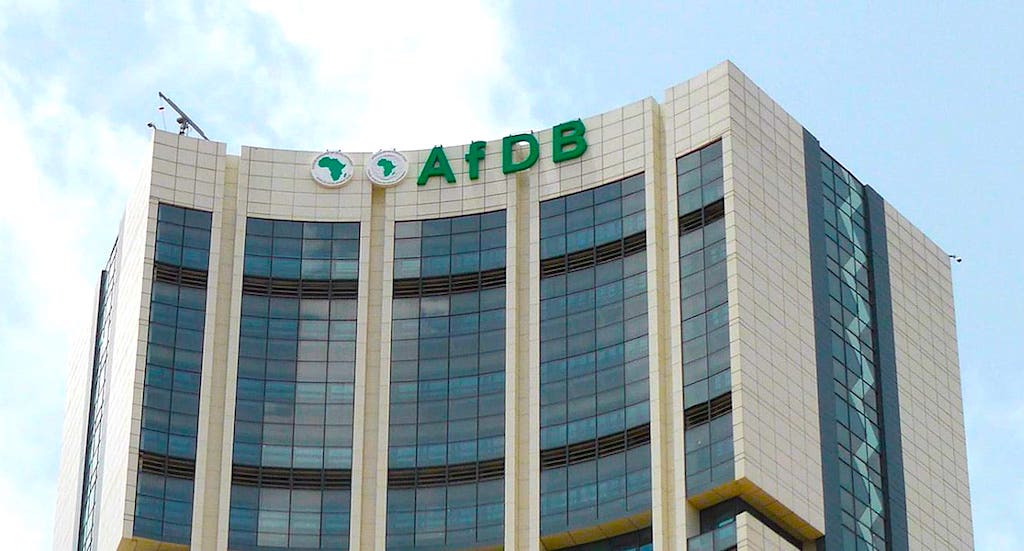
African Development Bank Approves $200 Million Loan for Nigeria’s Project Bridge
The African Development Bank (AfDB) Group has granted a $200 million loan to the Nigerian government to propel Project Bridge, a major initiative aimed at deploying 90,000 kilometers of open access fiber across the nation. This substantial funding was announced in a statement on X by the AfDB on Saturday, highlighting the bank’s commitment to promoting digital skills and enhancing job creation throughout Nigeria.
Enhancing Connectivity and Economic Opportunities
Abdul Kamara, Head of the African Development Bank Group Nigeria Office, emphasized the transformative potential of this loan, stating that the project aims to provide a high-speed connectivity backbone crucial for optimizing Nigeria’s talent and market potential. He noted, “Nigeria possesses the talent, market, and ambition, but lacks the essential infrastructure that bridges potential with opportunity. D-VIBE will fundamentally change that.”
Kamara further highlighted that this investment is designed to enhance connectivity from farms to factories and classrooms across Nigeria, ensuring that young people are equipped with the necessary tools to shape their digital futures.
Funding Framework and Additional Support
The AfDB’s approval is part of a broader $800 million financing package for Project Bridge. As reported by PREMIUM TIMES in February, the Nigerian Minister of Communications, Innovation and Digital Economy, Bosun Tijani, had previously secured $500 million from the World Bank and $100 million from the European Bank for Reconstruction and Development (EBRD) for this initiative.
Tijani confirmed the EBRD’s formal approval for the $100 million investment in Project Bridge, which complements the World Bank’s funding. Additionally, he announced that the project has also secured a €45 million contract through the European Union Digital Economy Package aimed at enhancing digital public services, along with a €5 million contract to support the 3MTT Nigeria program.
Expanding Nigeria’s Digital Infrastructure
Project Bridge seeks to significantly enhance Nigeria’s digital infrastructure by expanding the national fiber backbone from approximately 30,000 kilometers to around 120,000 kilometers, establishing connectivity in all 774 local government areas. The project targets essential services, including schools, healthcare facilities, and agro-industrial zones, while also fostering connections with neighboring countries such as Benin, Cameroon, Niger, and Chad.
Addressing Digital Barriers and Promoting Resilience
In addition to strengthening infrastructure, the project aims to tackle demand-side barriers to digital adoption by promoting access to affordable devices and facilitating large-scale skills development. It also plans to support the establishment of digital platforms in key sectors, as well as implement policies for cybersecurity and market competition. Efforts will be made to adopt standards that integrate hybrid and renewable energy sources, enhancing resilience across the project.
Alignment with National and Continental Goals
The AfDB highlighted that Project Bridge is aligned with Nigeria’s Vision 2050, the National Development Plan, the African Union Agenda 2063, and the AfDB’s own 10-year strategy for 2024-2033. This alignment underscores the project’s significance in propelling both national and regional development goals.
