


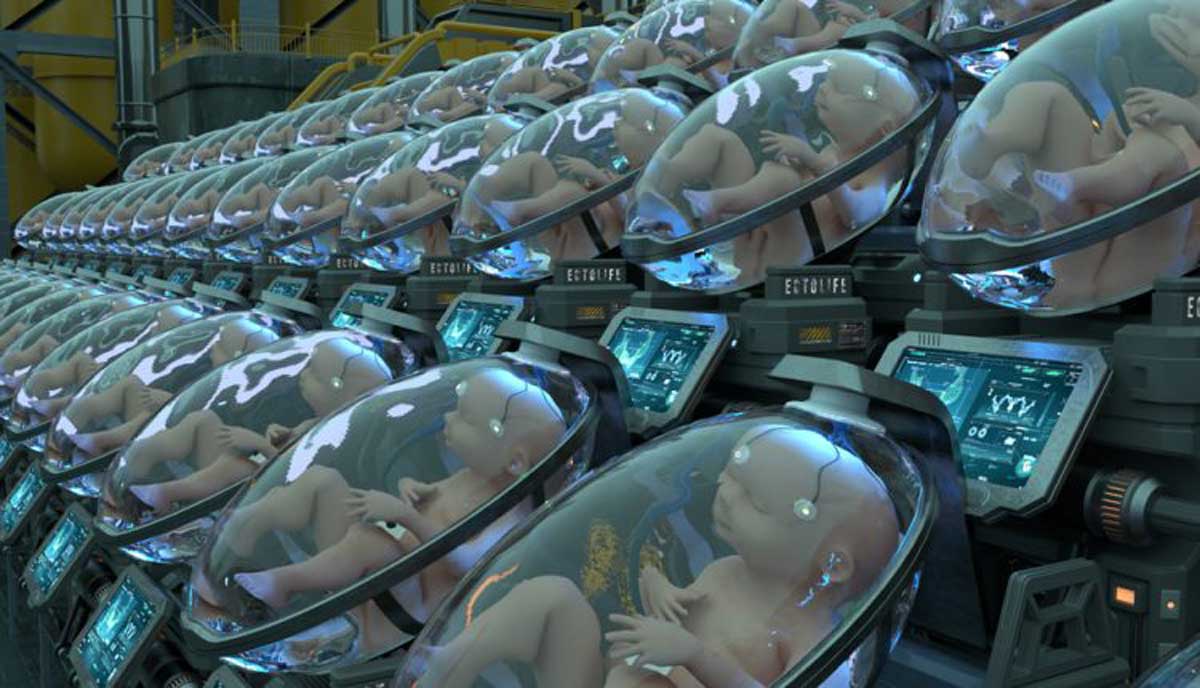
Breakthrough in Artificial Womb Technology Promises Customized Births
Recent advancements in artificial womb technology have captured attention, with scientists developing a facility capable of delivering up to 30,000 babies annually. Building on groundbreaking research initiated in 2017, this innovation offers parents the opportunity to create customized babies, raising both excitement and ethical concerns.
Ectolife: A Novel Concept in Reproductive Science
The facility, known as “Ectolife,” is a concept emerging from the mind of Hashem Al Ghairi, a Berlin-based producer, filmmaker, and molecular biologist. Promoted through a viral video, Ectolife envisions a factory-like environment where parents can select traits for their newborns, including intelligence, height, hair color, and physical strength. While the idea is still theoretical, it has sparked a heated debate about the implications of such technology on society.
Public Education and Awareness Ahead of Implementation
The vision for Ectolife includes extensive public education over the next five years to help familiarize society with this revolutionary technology. Experts predict that actual implementation will take more than a decade, with Al Ghairi emphasizing that all proposed features are grounded in existing scientific principles.
Genetic Editing and Its Potential Impact
According to reports, the facility will utilize advanced gene-editing technologies like CRISPR-Cas 9, enabling genetic manipulation of embryos before implantation. This approach could address inherited genetic diseases and support childless couples in their quest for biological children. The promise of artificial wombs also offers a solution for women who are unable to conceive due to medical conditions.
Reflecting on Past Innovations in Reproductive Technology
The birth of Louise Brown in 1977 marked a significant milestone in reproductive technology as the first child conceived through in vitro fertilization (IVF). With millions of IVF babies now living healthy lives, the societal acceptance of such innovations has evolved drastically. However, skepticism remains, reminiscent of the initial backlash against IVF, prompting further dialogue around the ethical boundaries of reproductive science.
Challenges and Considerations
As the debate surrounding artificial wombs unfolds, it raises critical questions about the implications of separating procreation from traditional biological processes. The potential loss of organic connections established between mothers and their children through natural childbirth warrants careful examination.
The Future of Birth and Technology
Although artificial womb technology aims to reduce the risks associated with pregnancy complications and usher in a new era of childbearing, the intersection of innovation and natural law remains perplexing. The notion of redesigning human reproduction prompts both excitement for technological advancements and trepidation about their long-term consequences. As society grapples with these developments, the balance between progress and nature raises profound questions about the future of humanity.
