


Gas Supply Crisis Hits Indian Restaurants
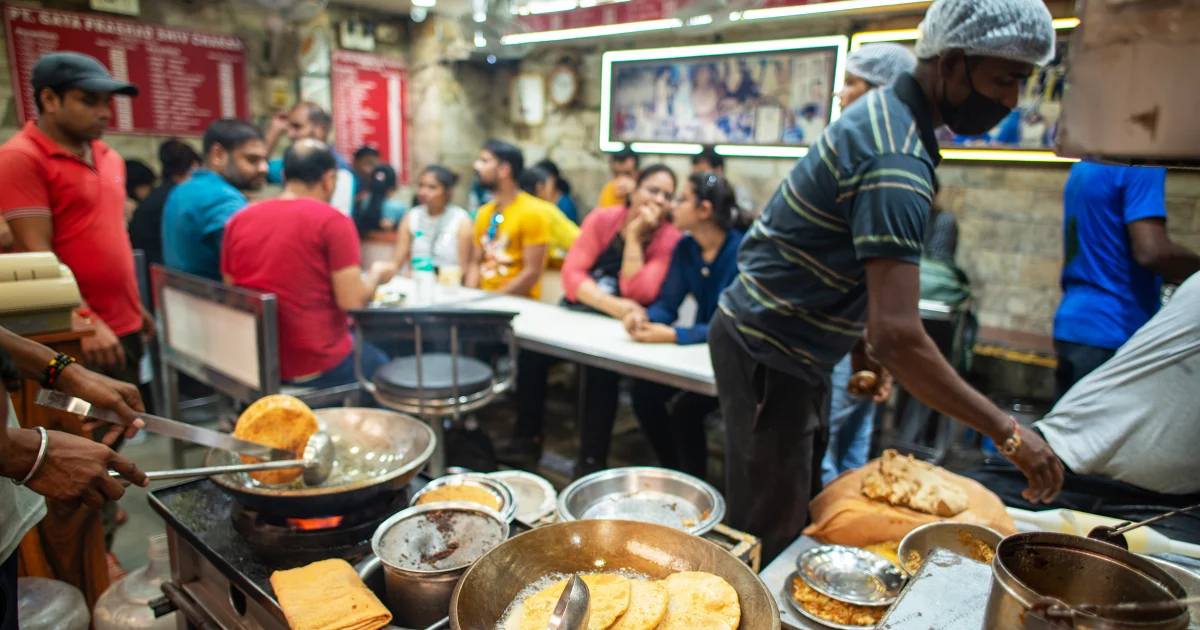
DELHI, India — For over a century, Abhishek Dixit’s restaurants have relied on gas cylinders to power their stoves and serve customers delicious meals. However, the ongoing geopolitical tensions have severely disrupted this essential supply chain.
Currently, gas cylinders are in short supply as India’s liquefied petroleum gas imports face pressure due to the conflict between the U.S., Israel, and Iran. “I don’t know if I can get petrol, even on the black market,” stated Dixit, 47, outside his restaurant, Paraute Wala, located in Delhi’s bustling Chandni Chowk market. He noted that suppliers have increased their prices by up to 5%, contributing to an economically strained atmosphere.
“We’ve created artificial inflation,” he remarked, explaining how rising costs have forced him to raise menu prices while also investing in electric stoves to mitigate shortages. Fortunately, the quality of dishes remains unaffected, with the parathas—stuffed flatbreads lavishly coated in butter—still tempting patrons as before.
The ramifications of the conflict and the resulting closure of the Strait of Hormuz have been felt almost instantly across Asia, which heavily depends on oil exports through this critical waterway. India, the world’s second-largest importer of liquefied petroleum gas after China, is particularly vulnerable, with millions relying on gas cylinders for cooking.
Before the war, more than 130 transport ships passed through the Strait each day. However, conflict brought shipping traffic to a standstill, and despite a recent ceasefire, there have been no signs of a swift return to normal shipping levels. Adding to the crisis, many workers stranded on tankers in the Persian Gulf are Indian nationals who are unable to return home.
Despite government assurances of a stable supply, panic buying erupted in early March, leading to long lines at gas stations. “I panicked too,” said Dixit, whose business similarly depends on LPG cylinders. Much of the available supply now comes from the informal market, where inflated prices are passed on to consumers.
To cope with the surge in costs, Dixit has raised the price of a typical paratha to 110 rupees ($1.20), up from 100 rupees before the war. This increase underscores the profound impact the geopolitical unrest is having on ordinary citizens.
Nearby, Utkarsh Sharma, owner of a local restaurant famous for its rabri dessert, shared his struggles. With his fuel supply dwindling, production has decreased by nearly 40% since the conflict began, and he anticipates needing to raise prices significantly soon. “We can’t sustain these prices much longer,” he cautioned, as he reflected on how this crisis has dramatically influenced his operations.
Fuel price fluctuations have always been a sensitive political issue in India, prompting the government to undertake emergency measures. Indian Prime Minister Narendra Modi has likened the situation to the recent COVID-19 pandemic, highlighting the importance of the Strait of Hormuz for essential imports, including fertilizers. New Delhi has welcomed the ceasefire and emphasized the need for unimpeded navigation to restore global trade flows.
As businesses and families grapple with these challenges, many are seeking alternative solutions. Vinay Chauhan, at his stall in Chandni Chowk, shared how he’s resorting to borrowing gasoline from neighbors to continue cooking. Meanwhile, authorities encourage the shift to piped natural gas, hoping this will lessen dependence on LPG. In March alone, India added over 320,000 new connections, reflecting an urgent push towards more sustainable energy sources.
For families like Anita Devi’s, who haven’t seen a gas cylinder in over a month, the uncertainty is palpable. Waiting to inquire about piped connections, she expressed concern about the ongoing war and its potential to increase prices further. “I know how to cook with firewood, and I will do that when the price goes up,” she said, showcasing the resourcefulness that many Indian households may need to adopt in these trying times.
