


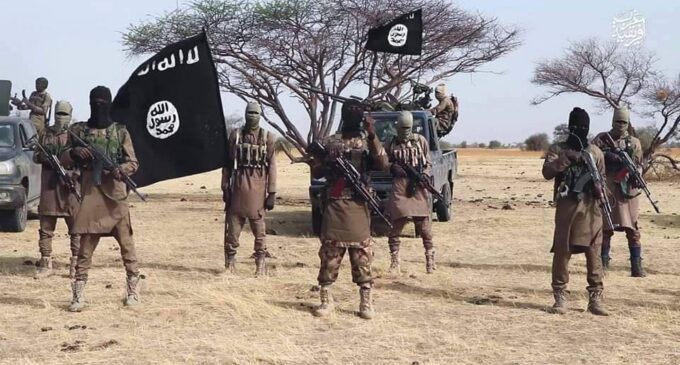
Update on Alleged Terrorist Financing in Nigeria
The release of an updated list by the federal government detailing 48 individuals and 12 entities reportedly involved in terrorist financing has reignited calls for immediate action. Security experts warn that inaction could undermine public trust in Nigeria’s counterterrorism measures.
Published by the Nigeria Sanctions Commission, this disclosure is among the most extensive recent identifications of alleged financiers supporting violent groups across the nation. Notable figures on the list include Simon Ekpa, a leader of the Indigenous People of Biafra based in Finland, and Tukur Mamu, the publisher of Desert Herald newspaper.
The identified groups range from Boko Haram to the Islamic State West Africa Province (ISWAP), along with organizations like the West African General Exchange and Establishment Bureau Dechange Co., Ltd. Despite ongoing violent incidents in states such as Borno, Kebbi, Kwara, and Zamfara, the government has reported securing convictions in 386 out of 508 terrorism cases prosecuted.
The names listed on the NiGSAC website include Abdulsamat Ohida, Fatima Ishaq, and Muhammad Sani, among others. Other organizations alleged to be sponsors of terrorism comprise G.Side General Enterprises and Eagle Square General Trading Co. Ltd, raising significant concerns among legal analysts regarding the effectiveness of enforcement actions.
Experts Stress Need for Swift Action
While analysts consider the publication of this list a meaningful step, many caution that simply releasing names without decisive action risks rendering the effort merely symbolic. Former Inspector General of Police Salami Abdulraheem emphasized that the government’s credibility hinges on tangible results, not just on the publication of names.
Abdulraheem pointed out that if suspects remain at large for weeks or months after their identification, it sends a dangerous message about the government’s commitment to action. He noted that previous announcements regarding terrorist financing networks have not consistently led to sustained legal proceedings, highlighting concerning gaps in enforcement.
Adding to this perspective, Abdullahi Adeoye, a former head of the federal security agency, warned that suspects may attempt to evade capture when publicly identified. He stressed that immediate action—including freezing financial assets and making arrests—is crucial to preserving valuable intelligence and disrupting terrorist networks effectively.
Legal and Institutional Challenges
Security analyst Musa Aliyu acknowledged that while the government’s actions were long overdue, significant challenges exist in prosecuting high-level terrorist financiers. He criticized Nigeria’s legal system for being ill-equipped to handle such cases effectively and called on the National Assembly to enhance the existing legal framework.
Aliyu further advocated for a balance between transparency and due process, emphasizing that justice must be served for victims of terrorism. He urged lawmakers to provide the necessary tools to facilitate appropriate punishments for those involved in terrorist activities.
Civil Society Calls for Accountability
The list’s release has been viewed as a rare moment of transparency in Nigeria’s battle against terrorism, yet civil society groups insist that transparency must be accompanied by accountability. Security governance expert Shola Muse raised concerns over the sincerity of the government’s intentions, suggesting that without credible actions, the initiative risks becoming a mere media event.
Mr. Muse emphasized the necessity for collaboration among government branches and security agencies to ensure effective outcomes. Similarly, security governance expert Kemi Babatunde highlighted prior disillusionment among Nigerians, who now demand visible and measurable actions rather than empty promises.
Public Reactions and Expectations
The publication of the list prompted numerous Nigerians to express their frustrations on social media, calling for immediate action from security agencies. Many users demanded that the government pursue legal action without delay against those identified. Security expert David Babawale outlined key measures needed to ensure success, including freezing assets associated with suspects and enhancing coordination between intelligence and law enforcement agencies.
Legal Framework and Prosecutions
The legal groundwork for prosecuting individuals implicated in terrorist financing rests upon the Terrorism (Prevention and Prohibition) Act. Taofik Olateju, a senior associate at Yusuf O. Ali & Co., emphasized that successful prosecutions must be bolstered by admissible evidence, such as financial documentation and witness testimony. Delays within the judicial process pose additional challenges, often compromising public interest.
Former police commissioner Babatunde Salami pointed to systemic coordination issues and potential political interference as substantial hurdles. He warned that the fight against terrorist financing must remain free from political considerations to ensure public trust is maintained.
Amid these developments, Federal Attorney-General and Minister of Justice Lateef Fagbemi disclosed that Nigeria has secured numerous convictions in terrorism-related cases. However, experts insist that the effectiveness of the counterterrorism strategy will ultimately depend on the government’s ability to dismantle financing networks and bring the identified individuals to justice.
