


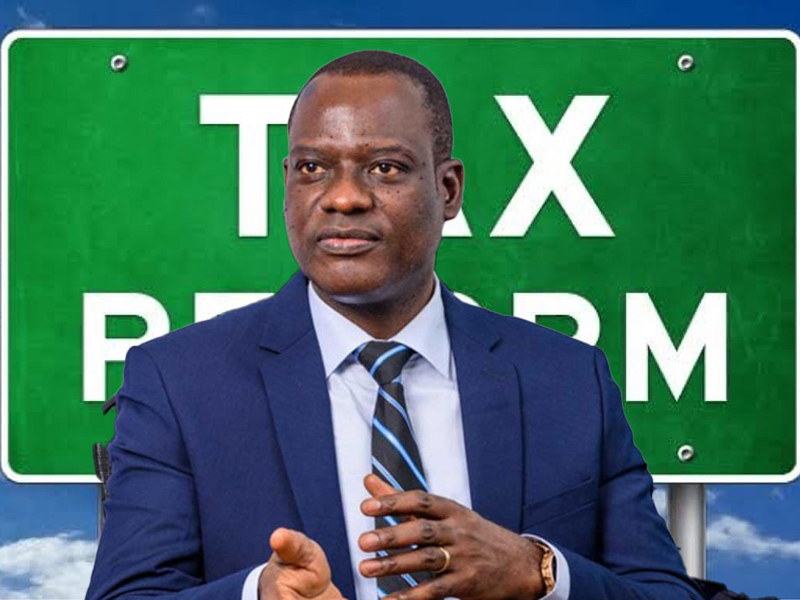
Nigeria’s Tax Reform Faces Early Challenges
Nigeria’s ambitious tax reform initiative is encountering significant scrutiny, as Finance Minister Taiwo Oyedele acknowledged the presence of inaccuracies within the newly enacted tax law. He outlined plans for a corrective finance law aimed at addressing these deficiencies.
During his address at the 2026 Annual Conference of the Legal Practice Section of the Nigerian Bar Association, Mr. Oyedele, who also chairs the Presidential Committee on Fiscal Policy and Tax Reform, attributed the discrepancies to the manual and multi-stage review processes that occurred during the legislative phase. He indicated that steps are currently being taken to remedy the identified issues through the proposed Finance Bill, ensuring the legislation aligns with its original intent.
This corrective move comes shortly after the government implemented extensive reforms, ideally serving to avert potential distortions that could undermine investor confidence in Nigeria’s tax system. Oyedele emphasized that the reform agenda is anchored in principles of transparency, fairness, and decisiveness, steering clear of arbitrary enforcement.
He underscored the necessity for the legislative text to reflect an overarching policy intent, cautioning that inconsistencies in fiscal policy could deter both domestic and foreign investment. In a recent report by Nairametrics, Oyedele noted that previous taxation structures had led to substantial disparities, revealing that individuals could be subject to an effective tax rate of approximately 19%, while business entities faced rates exceeding 40%. This disparity highlights the urgent need for alignment with global best practices.
Moreover, Oyedele stressed the importance of maintaining policy stability to foster ongoing investment. He voiced concerns about the adverse effects of aggressively taxing low-income earners, particularly given that nearly half of Nigeria’s workforce earns less than N70,000 monthly. This approach, he argued, is not only unfair but could also hinder economic growth.
The call for a remedial bill arises from alarming discrepancies previously highlighted in Congress. MP Abdulsamad Dasuki pointed out notable inconsistencies between the tax law published in the official gazette and the version passed by Parliament, emphasizing significant deviations from prior discussions and approvals.
The contentious provisions are part of a broader reform package endorsed by President Bola Ahmed Tinubu, set to take effect in January 2026. Despite confronting new obstacles, the government maintains that these reforms represent a critical move towards establishing a more equitable and pro-growth tax system. Key features of the reforms include the elimination of minimum tax obligations for loss-making companies, preventing taxation on capital instead of profits. Furthermore, essential goods and services such as food, education, and healthcare remain exempt from value-added tax, while several tax laws have been consolidated into four primary statutes, including the Nigerian Tax Act and the Nigerian Tax Administration Act.
This comprehensive framework aims to shield low-income earners and small businesses, recognizing their limited ability to bear additional tax burdens. Analysts suggest that such an approach has the potential to alleviate pressure on the nation’s most vulnerable sectors over time and enhance compliance. Consequently, the forthcoming bill is expected not only to rectify technical inconsistencies but also to fortify the credibility of the reform efforts.
As Nigeria endeavors to cultivate a more effective tax system that boosts revenue without stifling growth, the pressing challenge for policymakers remains the successful implementation of these policies.
