


Africa’s Potential as a Tourism Destination
Africa is increasingly recognized as the next frontier for tourism, showcasing a wealth of natural beauty, diverse cultural heritage, and a young, tech-savvy population. Despite this potential, the continent continues to draw only a small fraction of global tourists, raising questions about the disparity between its capabilities and actual visitor numbers. Understanding how to convert this promise into substantial growth is a central focus of the upcoming Africa Legacy Summit.
Africa Legacy Summit to Address Tourism Challenges
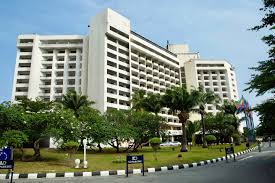
Scheduled for May 15 and 16, 2026, in Lagos, Nigeria, the Africa Legacy Summit aims to explore strategies for scaling tourism in Africa. Organized by Eco Hotels and Suites in celebration of its 50th anniversary, the event will convene government ministers, policy makers, investors, local entrepreneurs, students, and leaders in the hospitality sector from across Africa and the Caribbean.
A Platform for Collaboration in the Hospitality Sector
Over two days by the Lagos waterfront, the summit will serve as a platform to discuss how Africa’s hospitality and tourism industry can enhance its presence in the global marketplace. Notable speakers include Ambassador Wallace Williams and Pan-Africanist Professor Patrick Lumumba, among others, who will share insights on the future of African tourism.
The Theme Highlights Ambition and Pragmatism
The theme, “African Hospitality: Rich with Potential and Ready for Collaboration,” reflects a blend of aspiration and practical realism. Tourism thrives on partnerships among governments, investors, airlines, cultural institutions, and commerce. This sector is increasingly viewed as a vital avenue for economic diversification and job creation in African countries, although meaningful growth will require strategic adjustments.
Despite the promise of tourism, Africa faces significant challenges, including inadequate infrastructure, disjointed visa processes, and inconsistent branding, which impede tourist flows. The summit will prioritize tangible strategies over promotional platitudes, focusing on attracting international investments, elevating hospitality standards, and forging stronger connections between African destinations and global travel networks.
Kenya: A Model for Success
Kenya often stands out as a benchmark for African tourism, with its sector recognized worldwide. Through sustained investments in conservation, training, and international marketing, Kenya has successfully crafted a robust tourism model that melds wildlife, culture, and high-quality visitor experiences. This serves as a valuable example for other nations seeking to develop their own tourism industries.
Lagos: A Rising Cultural Hub
The choice of Lagos as the summit’s host city underscores the evolving landscape of African tourism. While not traditionally seen as a tourist destination like Cape Town or Marrakech, Lagos is gaining traction for its vibrant creative industries, including music, fashion, film, and cuisine. Such cultural dynamism illustrates how cities can offer engaging experiences that complement conventional tourism.
Eko Hotels and Suites’ Vision for the Future
For Eko Hotels and Suites, an establishment that has hosted international guests for 50 years, this summit represents both a celebration and a bold declaration of African hospitality’s readiness to compete on the global stage. Dr. Iyaduni Gbadebo, Director of Sales and Marketing, emphasized that the event signifies a shift in how Africa is positioned—not merely as a promising destination but as a region ripe with structured opportunities. The summit seeks to reshape Africa’s identity in global tourism through enhanced collaboration and investment.
