


Understanding Resistance in Immigration Policies
Resistance in physics refers to the force that obstructs the flow of charged electrons, leading to the generation of heat without completely halting the electrical current. In a political context, popular resistance functions similarly, impeding government initiatives, intensifying public sentiment, and delaying actions.
Recent Developments in Immigration Enforcement
This dynamic is vividly illustrated in President Trump’s immigration policies. The situation escalated when Immigration and Customs Enforcement (ICE) agents apprehended several international students protesting against the conflict in Gaza. The agents then began conducting aggressive operations in courthouses, targeting migrants who were merely fulfilling routine check-ins.
Protests Across Major Cities
The response to these actions saw ICE and Border Patrol engaging in high-profile operations in cities such as Washington, D.C., Chicago, Los Angeles, and Portland. They targeted individuals based on race and language, breaking down doors without warrants and provoking confrontations with community activists.
Grassroots Mobilization and Rapid Response Initiatives
In reaction to these tactics, immigrant rights advocates rallied to form a more robust pro-immigration movement. Collaborating with community organizations, they set up rapid response teams, established hotlines, and developed tracking software for ICE activities. They also produced multilingual know-your-rights cards, distributed whistles, and disseminated vital information on nonviolent protest procedures and the rights of individuals during encounters with law enforcement.
Community Response in Minneapolis-St. Paul
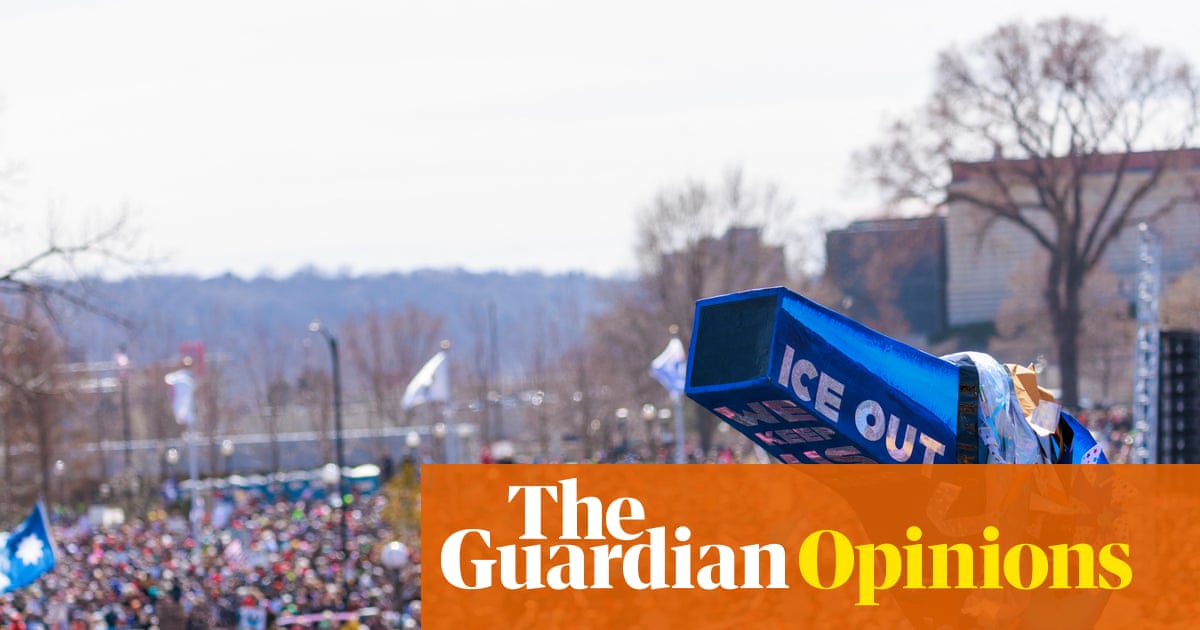
As Operation Metro Surge targeted Minneapolis-St. Paul, residents uniting across age, race, and political affiliations prepared to resist. Protesters donned protective gear and braved frigid temperatures to stand in solidarity. Instances of police violence, including the shooting of two Americans, were documented and shared widely on social media, further fueling public outrage.
Political Fallout and Shifts in Strategy
As opposition mounted, public perception shifted sharply against the administration, compelling a retreat from its aggressive stance. The backlash led to significant political changes, including the early retirement of ICE Commander Greg Bovino, replaced by a more subdued figure, Tom Homan. Meanwhile, President Trump announced a temporary cessation of federal troop deployment during protests, indicating a growing recognition of public dissatisfaction.
Legal Challenges and Continuing Tensions
Despite these adjustments, tensions remained high, particularly when the Justice Department acknowledged relying on an erroneous ICE memo justifying the arrests of immigrants attending court. Legal legitimacy surrounding these practices was questioned, yet the Department of Homeland Security appeared steadfast in its original policy stance.
Wider Implications for Immigration Policy
The implications of these developments extend beyond immediate enforcement actions. Ongoing scrutiny of the administration’s immigration prosecutions reveals a troubling trend of prioritizing deportations over other criminal cases. Additionally, children of undocumented immigrants continue to face surveillance, and legislative action remains pending that could dramatically alter their status.
The Future of Asylum Policies
In light of these pressures, the Supreme Court has become a battleground for challenging contentious executive orders aimed at limiting asylum rights and redefining birthright citizenship. The outcomes of these cases could have profound implications for the protection of immigrant rights and the fundamental tenets of American democracy.
Enduring Resistance and the Path Ahead
As government policies evolve, the need for ongoing resistance remains critical. Activists and communities must continue to challenge discriminatory and economically detrimental immigration policies through legal channels, civic engagement, and street demonstrations. The fight against oppression is far from over, and sustained pressure is essential in ensuring that the path toward a just society remains open.
