


Wisconsin Expands Occupational Licensing for DACA Recipients
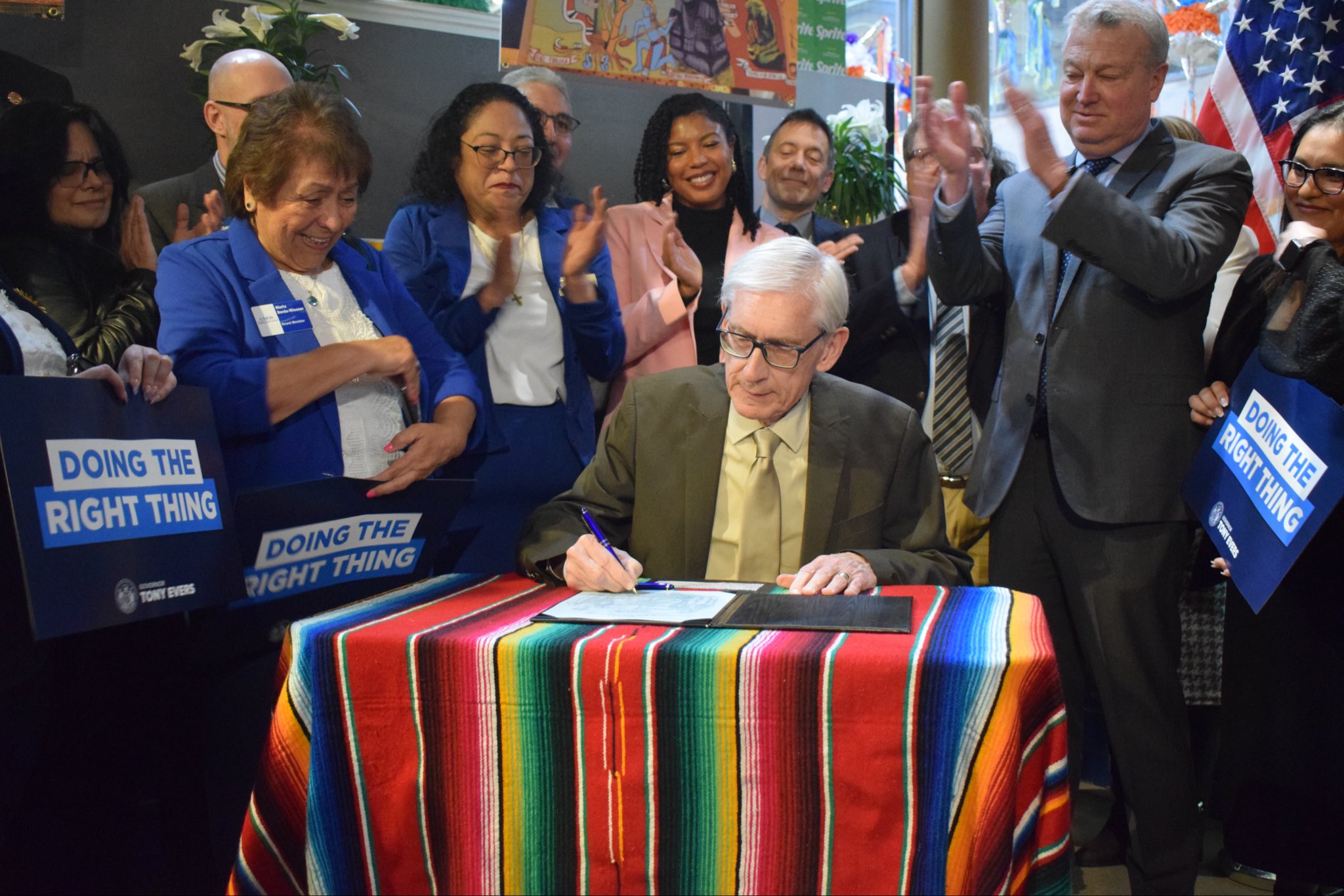
Wisconsin has taken a significant step towards inclusivity by allowing individuals with DACA status to obtain occupational licenses, following the recent signing of a bill by Governor Tony Evers. The legislation, known as AB759, which is now Wisconsin Act 240 of 2025, enables DACA holders to apply for and receive professional certifications from the Wisconsin Department of Safety and Professional Services (DSPS).
Governor Evers Emphasizes Economic and Community Benefits
In a statement highlighting the importance of this development, Evers articulated the need to support “dreamers” in their aspirations for higher education and career advancements to contribute positively to the communities that nurtured them. He underscored that facilitating access to the professional workforce is critical for Wisconsin’s economy and its demand for skilled professionals in high-need sectors. Evers made the announcement surrounded by advocates at Nuevo Mercado El Rey in Milwaukee.
Addressing Barriers to Employment
Governor Evers remarked on the unnecessary hurdles that hinder hardworking individuals from fully participating in Wisconsin’s economy and communities. He pointed out that restrictions on obtaining essential credentials, such as professional licenses, have held back potential contributions from immigrants who have long been integral to the state’s economic fabric. The governor’s comments highlight a broader trend of viewing licensing as a workforce issue rather than purely an immigration matter.
Legislative Passage Amid Federal Crackdown
The bill received bipartisan approval from the Republican-led Wisconsin Legislature, coinciding with heightened federal immigration enforcement, which has seen the detention of many DACA recipients. Advocates stressed the workforce implications of the legislation, clarifying that this is not merely an immigration issue.
The Landscape of DACA and Workforce Needs
DACA, introduced in 2012 under President Obama, provides temporary protections and work permits for certain undocumented immigrants who arrived in the U.S. as children. However, it does not confer legal status or a route to permanent residency. Currently, approximately 505,000 DACA recipients reside in the U.S., with around 5,100 in Wisconsin. DSPS offers licenses for over 200 job categories, including essential roles in healthcare and trades, but DACA recipients previously remained ineligible for these opportunities.
Expert Perspectives on Healthcare Workforce Challenges
Healthcare professionals like Erica Colon, president of the Milwaukee chapter of the Hispanic Nurses Association, have voiced support for the new law, noting that it could help mitigate Wisconsin’s nursing shortage. Colon pointed out that many qualified individuals are forced to leave the state to pursue their careers due to licensing barriers, stressing the urgency of addressing this issue amid a projected shortage of 12,000 to 19,000 registered nurses by 2040.
Advocacy and Legislative Efforts Behind the Bill
The push to enable DACA recipients to obtain occupational licenses has been a collaborative effort among advocates, lawmakers, and community organizations. Initially introduced in 2023 by former Republican Representative John Macko, the bill sought to address various professional fields, including law enforcement and education. Even as challenges arose in committee hearings and among differing political views, the lawmakers ultimately achieved bipartisan support, reflecting a shared commitment to addressing workforce needs in Wisconsin.
