


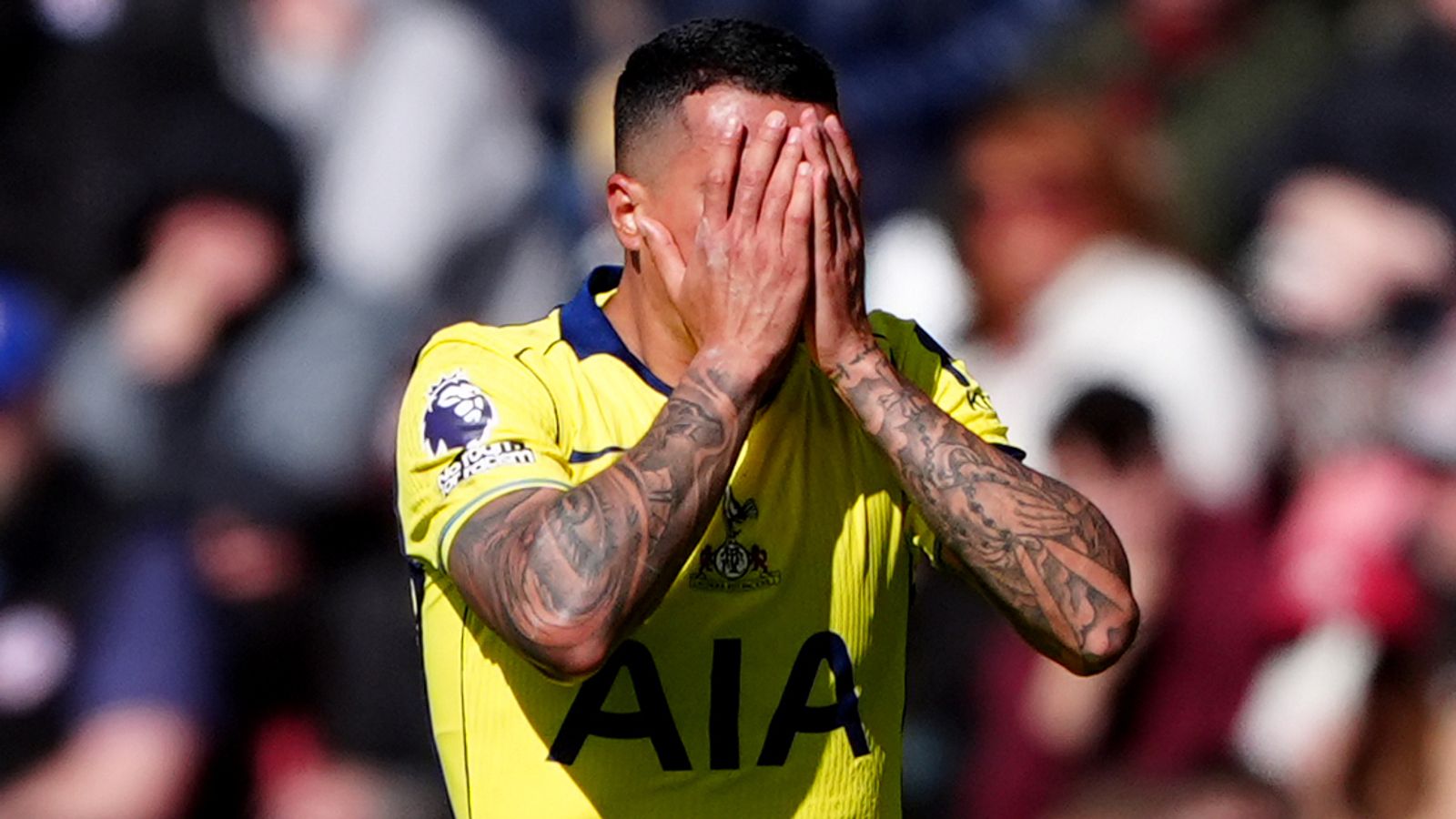
Tottenham’s Struggles Highlighted in De Zerbi’s Debut
Tottenham Hotspur faced many self-diagnosed issues during Roberto De Zerbi’s inaugural match as manager, culminating in a disheartening defeat against Sunderland. The loss left Spurs teetering in the relegation zone, casting serious doubt on their ability to escape the bottom three as their performance reflected a lack of conviction.
The decision to appoint De Zerbi—one of the highest-paid coaches in the league—amidst a chaotic season marked by turmoil represents a significant gamble for the club. While some may argue that retaining Igor Tudor might have posed an even greater risk, De Zerbi is now tasked with addressing the same long-standing problems that have plagued the team.
Currently, Tottenham is devoid of a clear playing style, an issue that has only amplified under the enigmatic Italian. While De Zerbi brings a distinct philosophy and a proven ability to elevate performance—demonstrated during his tenure at Brighton—Spurs seem ill-equipped to manifest this approach effectively. This was particularly evident in the match against Sunderland, where an erratic shot from Nordi Mukiele exacerbated Tottenham’s woes and intensified concerns about their relegation prospects.
The implications of Tottenham’s struggles are troubling, with just one point garnered from their last 24. Their 14-match winless streak in the Premier League now stands as the club’s worst since 1935, leading many to view them as potential relegation candidates. In light of recent events and dwindling confidence, analysts like Jamie Carragher have suggested that Spurs’ situation may be more dire than previously thought.
In his first press conference, De Zerbi acknowledged the challenges posed by the lack of time to imbue his tactical vision ahead of the Sunderland clash, emphasizing the importance of “character, spirit, and courage” to succeed. However, without a strong start, Spurs appeared to lack all these qualities. Although the intention behind De Zerbi’s tactics is commendable, the implementation has not matched expectations.
Despite the team’s efforts, Tottenham’s midfield struggled against Sunderland’s, where Granit Xhaka and his colleagues proved to be far superior. Xhaka controlled the game’s tempo, leading with the highest touches and delivering the most significant number of passes into dangerous areas. Notably, Sunderland goalkeeper Robin Roofs even outperformed Spurs’ midfield in terms of final third passes, underscoring the latter’s inefficacy.
Tactically, Spurs faced further complications as they appeared outmatched both offensively and defensively. They produced seven shots on target, yet only one qualified as a significant chance. This lack of offensive output prompted a need for reflection, particularly regarding De Zerbi’s decision to keep Xavi Simmons on the bench until late in the match. Given the urgency of the situation, one has to question whether a mere six minutes on the pitch could have allowed Simmons to influence the outcome meaningfully.
Entering a crucial phase of the season, Spurs are presented with a pressing need for decisive leadership and strategic adjustments ahead of their clash against former employer Brighton. With two weeks to recalibrate, De Zerbi must be prepared to navigate this precarious situation. Tottenham’s pattern of falling behind—having not won any of their last 32 Premier League matches when trailing—emphasizes the urgency for actionable change.
Ultimately, Tottenham must confront their crisis with relentless determination. With nearly four months since their last league victory, the team’s resolve will be tested as they fight to avoid relegation. It remains critical for De Zerbi to instill not only tactical proficiency but also the resilience necessary for his players to thrive in high-stakes encounters.
