


Rising Transportation Costs Trigger Call for Hybrid Learning Solutions
Concerns about the escalating expenses related to student transportation have prompted significant demands for urgent policy guidance from the Federal Department of Education. This comes as discussions intensify regarding the adoption of hybrid learning systems nationwide.
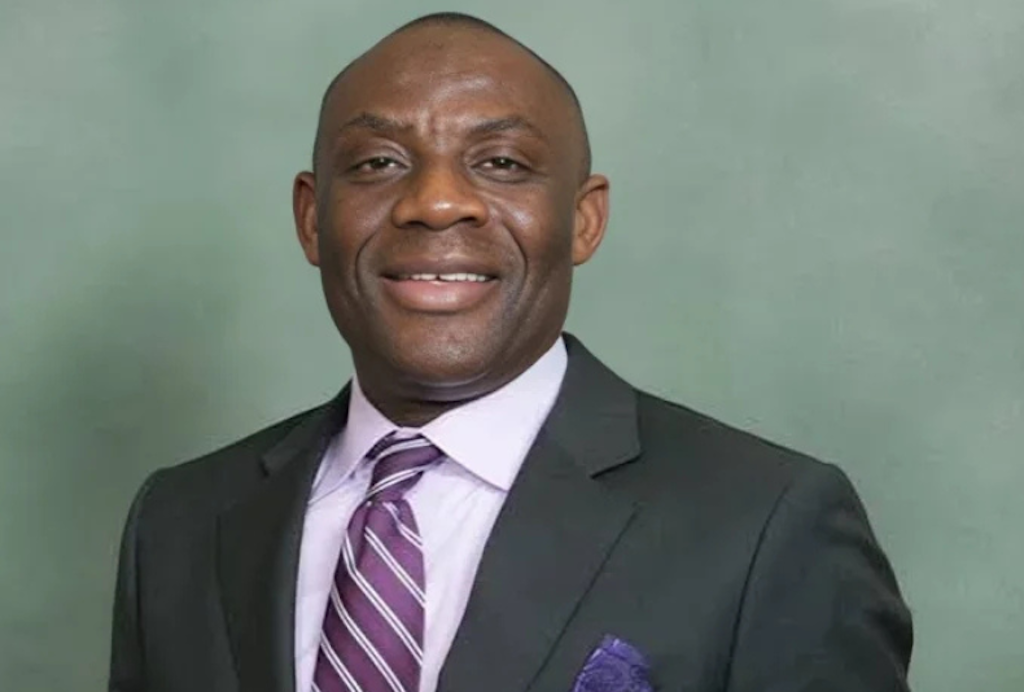
In a letter dated April 12, 2026, Akin Fapofunda, addressed to Tunji Alausa, Secretary-General of Private Educational Institutions and Minister of Education, urged the ministry to provide strategic guidance on how schools can restructure their operations in light of increasing economic pressures.
Fapofunda highlighted the unsustainability of the traditional model requiring daily physical attendance, particularly as surging fuel costs have markedly inflated transportation expenses for both schools and families. He revealed that his institution incurred weekly fuel costs of approximately ₦750,000 last semester, with petrol prices hovering around ₦800 per liter. With current rates surpassing ₦1,300 per liter, he alerted that schools are on the brink of a financial crisis as the new academic year approaches.
He posed a crucial question: “How will schools respond? It’s evident that transportation fees will need to rise, but what will be the parents’ reaction?” Education experts have documented the evolution of Nigeria’s school transportation, noting that before the 1970s, most students primarily walked to nearby schools within their communities. However, urban expansion and lifestyle shifts post-oil boom led to daily transportation becoming the norm—a trend now strained by current economic realities.
Fapofunda linked the rising fuel costs to global geopolitical tensions, particularly those between Iran and the United States, which continue to influence worldwide energy prices. In response to this burgeoning challenge, he proposed a hybrid education model that marries in-person instruction with structured home learning. Under this system, students would attend physical classes up to three days a week while devoting the remaining days to supervised distance learning.
This approach, Fapofunda argued, could alleviate transportation costs, reduce urban traffic congestion, and foster independent learning among students. While acknowledging that bolstering boarding school facilities is a long-term solution, he stressed the necessity for immediate and cost-effective alternatives that leverage modern educational techniques.
Fapofunda further urged the ministry to develop a comprehensive policy framework outlining standards and implementation strategies for hybrid education. He emphasized various key areas needing guidance, including curriculum adaptation, teacher training, access to both digital and traditional learning resources, considerations for equity, and effective monitoring mechanisms.
He asserted that proactive policy leadership in this domain would provide immediate relief to families and educational institutions, while simultaneously enhancing the resilience and adaptability of Nigeria’s education system. As society grapples with the rising cost of living, there is a growing sentiment among stakeholders for innovative solutions that facilitate continuous learning without imposing an excessive burden on parents.
With schools on the cusp of the new academic year, attention is focused on how the Federal Department of Education will respond to these pressing reform proposals deemed timely and necessary.
