


Man Shot by ICE Agents Transitioned to FBI Custody
Carlos Ivan Mendoza Hernández, who was shot by ICE agents in the Central Valley last week, has been discharged from the hospital and placed in FBI custody. However, uncertainties remain about the nature of his detention and the circumstances surrounding the enforcement action that resulted in the shooting. His attorney, Patrick Kolasinski, expressed deep concern regarding Mendoza-Hernandez’s health following this unexpected transition.
The swift release from the hospital has prompted worries among Mendoza-Hernandez’s family about his well-being. Kolasinski stated, “We don’t know where Mr. Carlos is now or what his current condition is,” highlighting the lack of communication regarding his client’s status.
Shooting Raises Serious Questions
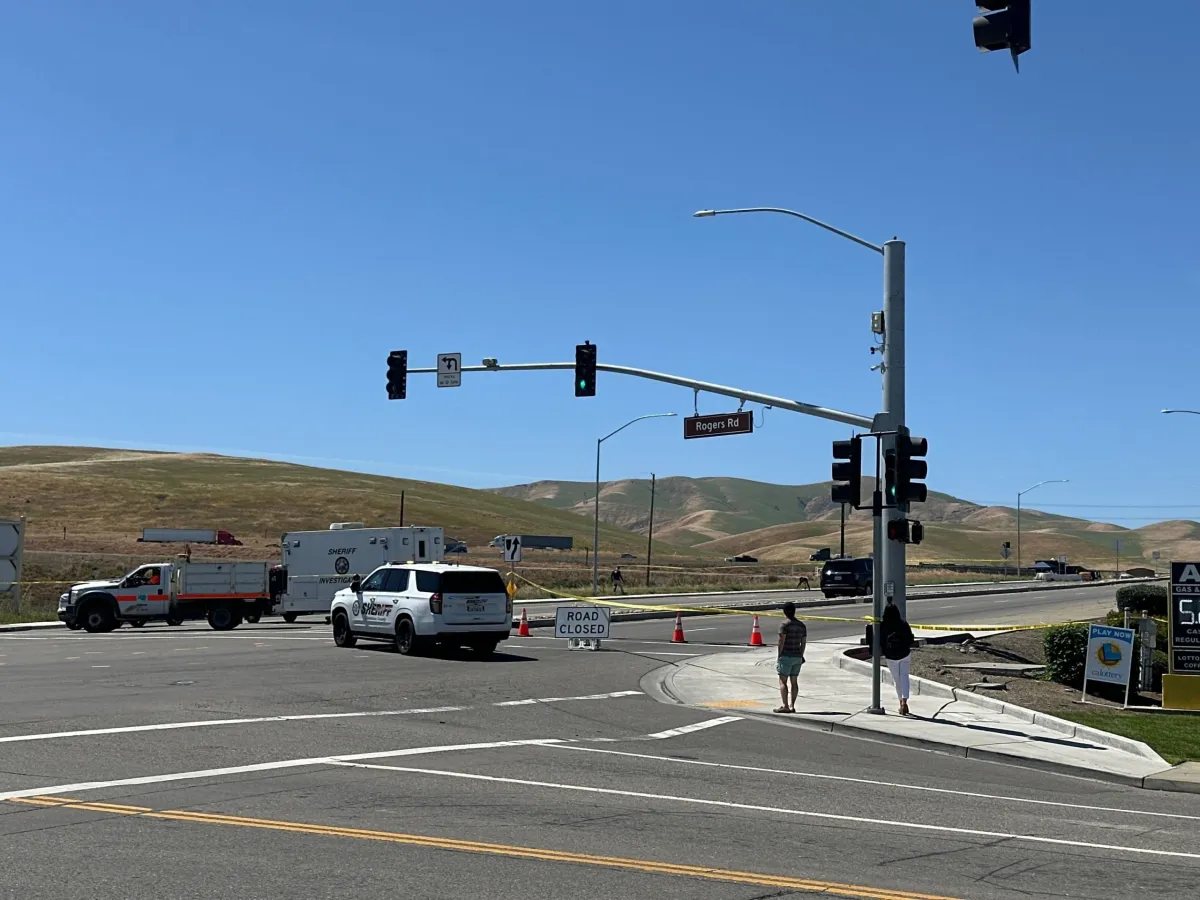
The shooting incident, which occurred on April 7 near Interstate 5 in Paterson, has led to heightened scrutiny as conflicting accounts have emerged. While federal authorities maintain that immigration agents acted defensively, video evidence and witness testimonies seem to challenge these assertions. Officials from Immigration and Customs Enforcement (ICE) stated that Mendoza-Hernandez was wanted for crimes in El Salvador; however, his attorney argues this claim contradicts court records.
Kolasinski revealed that Mendoza-Hernandez was recovering in an intensive care unit at Doctors Medical Center in Modesto, only to be discharged less than a day after undergoing his fourth surgery, during which he suffered six gunshot wounds, including injuries to his jaw and arm.
The attorney expressed skepticism about the timing of the discharge, alleging, “He wasn’t ready to be released, and then all of a sudden the hospital magically decided he was ready.” After visiting his client, Kolasinski noted that Mendoza-Hernandez had been in a vulnerable state, unable to walk or sit without assistance. He claims the hospital informed the FBI before reaching out to Mendoza-Hernandez’s family.
Questions Remain About Mendoza-Hernandez’s Current Situation
Concerns have mounted over Mendoza-Hernandez’s post-hospital condition. Kolasinski voiced fears that his client, still recovering from surgery, may be susceptible to serious infections while detained. An FBI representative indicated Mendoza-Hernandez would be transferred to Sacramento County Jail; however, the sheriff’s office denied holding him there, leaving his family and attorneys in a state of confusion regarding his whereabouts.
“We don’t know if he was taken by ambulance or car. We are unaware of any medical emergencies along the way,” Kolasinski communicated in an email to reporters. The lack of clarity from law enforcement agencies further complicates the situation. While the Sacramento County Sheriff’s Office directed inquiries to the FBI, the bureau has yet to provide a timeline for its investigation or disclose the identities of the agents involved.
Incident Details Emerge Amid Conflicting Reports
The April 7 incident unfolded when ICE agents stopped Mendoza-Hernandez’s vehicle, purportedly leading to multiple shots being fired. ICE Director Todd Lyons claimed the agents acted out of self-defense, alleging Mendoza-Hernandez attempted to run them over. Yet, video evidence and witness accounts challenge that narrative, raising crucial questions about the events that transpired.
Dashcam footage captured by passing cars shows a chaotic scene with armed agents surrounding Mendoza-Hernandez’s vehicle as it shifted into reverse. Eyewitnesses reported hearing gunfire before the vehicle moved, corroborating Mendoza-Hernandez’s assertion that he began to reverse only after shots were fired. Witness accounts further revealed that civilian safety was jeopardized during the incident, complicating ICE’s defense.
Continued Investigation Raises Legal Concerns
Despite the ongoing investigation by the FBI, federal authorities have not provided additional information since their initial statement. Kolasinski remarked that Homeland Security continues to present conflicting narratives regarding Mendoza-Hernandez’s alleged ties to organized crime. The attorney emphasized that his client was acquitted of murder charges in El Salvador before immigrating to the U.S., challenging ICE’s claims.
Looking ahead, Kolasinski anticipates potential charges against Mendoza-Hernandez, possibly including attempted assault on a federal officer. He also hinted at a possible legal confrontation to address concerns surrounding the hospital’s decision to release Mendoza-Hernandez without prior consultation with his legal team.
