


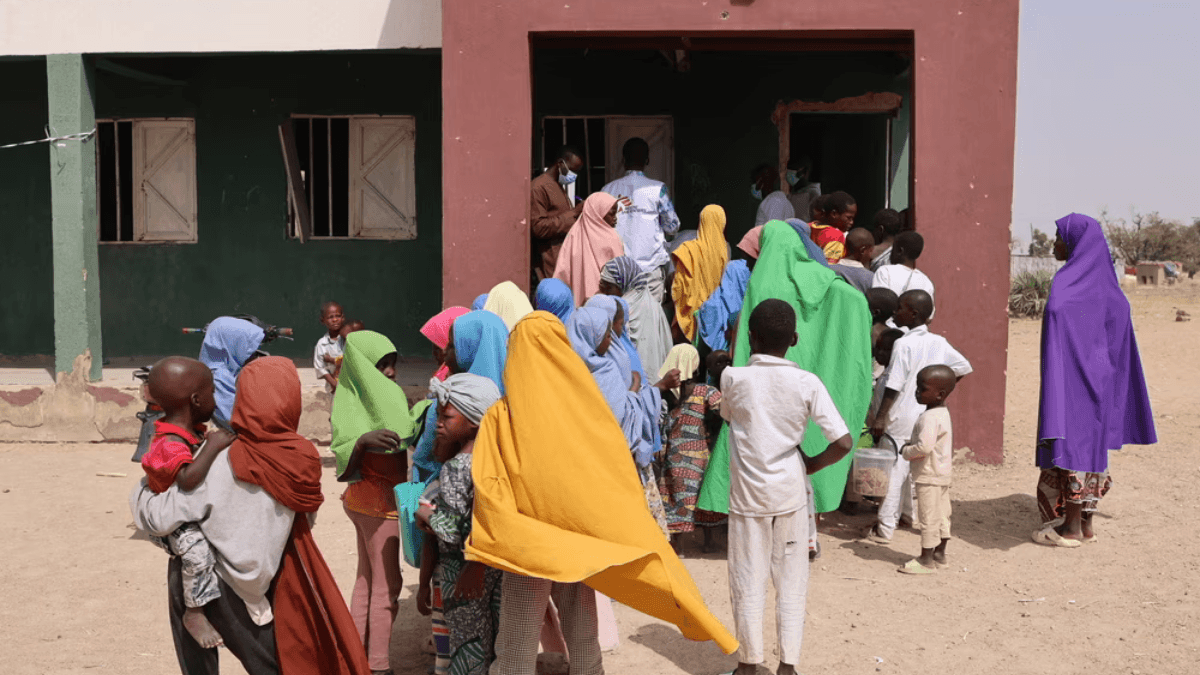
MSF and Borno State Government Successfully Complete Diphtheria Vaccination Campaign
Médecins Sans Frontières (MSF) and the Borno State Government have finalized a comprehensive diphtheria vaccination initiative aimed at children up to 14 years old in the Maiduguri Urban Council. The campaign underscores collaborative efforts to address pressing health needs in a region significantly affected by recent disease outbreaks.
Campaign Highlights and Impressive Reach
According to a statement from MSF’s Field Communications Officer, Abdulkareem Yakubu, the vaccination campaign commenced on February 9 and concluded on February 15, 2026. Initially set to target 387,000 children, the campaign exceeded expectations by reaching 490,000—a remarkable achievement demonstrating the effectiveness of community engagement and outreach strategies.
Follow-Up Efforts to Strengthen Immunity
The second phase of the campaign took place from April 9 to April 15, 2026, focusing on reinforcing immunity for the 360,000 children who had previously been vaccinated. However, limited vaccine availability posed challenges and constrained the overall scope of the initiative.
Significance of Vaccination in Diphtheria Control
Nao Muramoto, MSF’s project emergency coordinator, emphasized the importance of this vaccination effort in significantly boosting immunity levels among local children. “In Maiduguri, where a majority of diphtheria cases are concentrated, this proactive measure is critical to controlling and ultimately preventing the disease,” Muramoto stated.
Collaboration with Local Health Authorities
In addition to the vaccination campaign, MSF collaborated with the Ministry of Health to enhance the functionality of the Diphtheria Treatment Unit (DTU) at the Maiduguri Education and Training Hospital. The DTU experienced an uptick in suspected diphtheria cases during the campaign, reflecting heightened awareness and improved referral practices by local health workers as a result of the vaccination initiative.
Ongoing Challenges and Future Measures
Muramoto also pointed out that maintaining routine immunization against diphtheria, improving accessibility in vulnerable areas, and addressing vaccine hesitancy are crucial for preventing future outbreaks of vaccine-preventable diseases. The need for increased vaccine access remains pressing, as efforts to reach children in Borno State continue to be a top priority.
Nigeria’s Diphtheria Epidemic: A Snapshot
Nigeria is grappling with one of its most severe diphtheria epidemics in history. As of March 22, 2026, the National Center for Disease Control (NCDC) reported 65,759 suspected cases and 2,229 fatalities since the outbreak began in May 2022, leading to an official epidemic declaration in 2023. In Borno State, MSF has treated over 7,400 suspected patients since the start of the epidemic, including 4,200 in the previous year alone.
Understanding Diphtheria and Its Risks
Diphtheria primarily spreads through respiratory droplets and contact with infected wounds. Symptoms can include a sore throat, fever, swollen lymph nodes, and a thick gray membrane in the throat, posing serious respiratory challenges. Severe cases, exacerbated by bacterial toxins, can result in significant complications affecting the heart, nerves, and kidneys, with a mortality rate of up to 30% among untreated individuals, particularly young children.
Logistical Support and Community Engagement
MSF provided the Borno State Ministry of Health with logistical support for the vaccination campaign, which included vaccine storage, transportation, remuneration of the vaccination teams, health promotion activities, and program supervision. This coordinated effort resulted in impressive community participation and outreach, ensuring broad coverage for both rounds of the vaccination campaign.
