


Chariot Resources Secures Lithium Mining Licenses in Nigeria
Chariot Resources Limited, an Australian mining company, has received authorization to mine lithium in Nigeria following the approval of six licenses by the country’s mining regulator. This marks a significant milestone for both the company and the global lithium market.
The Nigerian Mines Cadastral Office (MCO) has granted the transfer of the license to Chariot’s local subsidiary, C&C Minerals Limited. The portfolio comprises four exploration permits and two small-scale mining permits, which were previously held by Continental Lithium Limited.
Details of the License Approval
The approved licenses enhance Chariot’s control over critical exploration and mining assets in Nigeria. Additionally, four more licenses—three related to the Saki project and one linked to the Iganna project—await final approval from the MCO.
Chariot holds a 66.6% interest in C&C Minerals, while Continental Lithium retains the remaining 33.3%. The company anticipates completing the full acquisition by May 2026, pending the fulfillment of conditions and shareholder approval.
High-Grade Lithium Confirmed by Laboratory Analysis
Independent testing conducted by the University of British Columbia has validated the presence of high-quality spodumene across all six sites sampled at the Fonlo and Iganna projects. Spodumene concentrations range from 28.4% to 75.3% of the crystal content in the samples.
This mineral is recognized as one of the most viable lithium sources due to its ease of processing compared to other alternatives like lepidolite, which was notably absent in the samples analyzed. Lithium oxide grades recorded from these locations varied between 2.66% and 5.96%, indicating promising mineralization potential. Notably, elevated cesium levels were also detected, with one Iganna sample showing up to 9.5% porcite, pointing to the possibility of lithium-cesium-tantalum pegmatites in the region.
Chariot plans to leverage these findings to prioritize drillable targets and accelerate exploration across its Nigerian assets.
Company’s Strategic Objectives
Shanthar Pathmanathan, Chariot’s Chairman and Managing Director, emphasized the company’s ambition to make significant discoveries in Nigeria. He mentioned that the firm employs advanced exploration techniques to generate high-quality technical data and prepare drill-ready targets across its largely unexplored portfolio.
Chariot is currently in discussions with potential mining partners and financing sources to expedite drilling initiatives and restart small-scale mining operations. Continental Lithium’s president, Lanre Afebuame, noted that the approval bolsters the company’s rapport with Nigerian regulators and facilitates systematic exploration efforts at the Fonlo and Gbagubu projects.
Legal Framework and Expertise
The Nigerian law firm Aluko and Oyebode provided legal counsel to Chariot Resources during this transaction, carrying out thorough due diligence, advising on the transaction structure, and drafting the mineral title transfer agreement. The firm also provided guidance on investment protection and financing arrangements in accordance with Nigerian law.
Ajibola Asoro, a partner in the firm’s M&A team, highlighted that this deal represents the first entry of an Australian-listed company into Nigeria’s lithium sector. He asserted that Chariot’s focus on critical minerals will significantly contribute to resource development in Nigeria, unlocking long-term economic benefits.
The Broader Context of Nigeria’s Lithium Potential
The recent developments come at a time of soaring global demand for lithium, driven by the rapid growth of electric vehicles and battery storage technologies. As Africa’s largest oil producer, Nigeria also possesses extensive mineral resources, including lithium, and the government is keen to develop these assets to diversify its economy away from oil dependency.
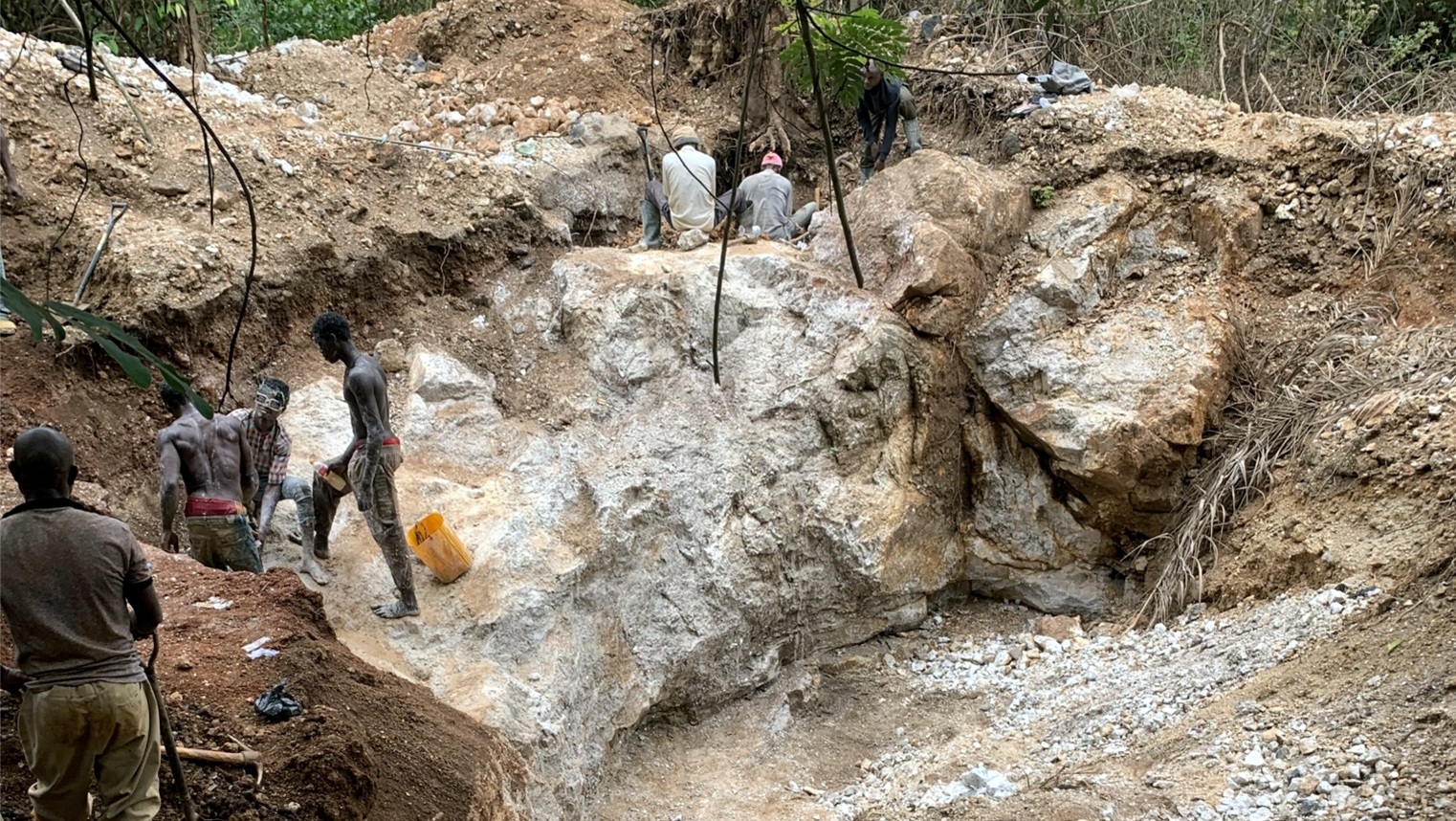
However, a recent parliamentary inquiry revealed that unauthorized mining activities have led to significant losses in Nigeria’s mineral wealth, costing the nation billions and exacerbating security issues. The rise of artisanal mining in areas like Pasari has frequently been associated with unsafe practices, including the use of dynamite and child labor.
Though Nigeria has stringent laws against child labor, enforcement remains a challenge, particularly in remote regions where illegal mining thrives. Children often work perilously in mines, engaging in tasks that expose them to hazardous conditions.
Regulatory Challenges and Future Outlook
To combat illegal mining, the Nigerian government has introduced measures like a “mine security force” and is pushing forward with reforms aimed at strengthening regulations. Despite these efforts, activists argue that tangible improvements are overdue.
Chinese nationals and companies have drawn scrutiny for their involvement in illegal mining and environmental degradation across several African countries, including Nigeria. Recent prosecutions involving Chinese miners indicate a growing focus on regulation.
The approval of Chariot’s licenses signifies a shift toward a more structured and accountable approach to mining in Nigeria. With significant projects, such as Fonlo, Gbagubu, Saki, and Iganna, Chariot is positioned to capitalize on the surging demand for lithium while the Nigerian government grapples with balancing foreign investment against the need to eradicate illegal mining practices.
