


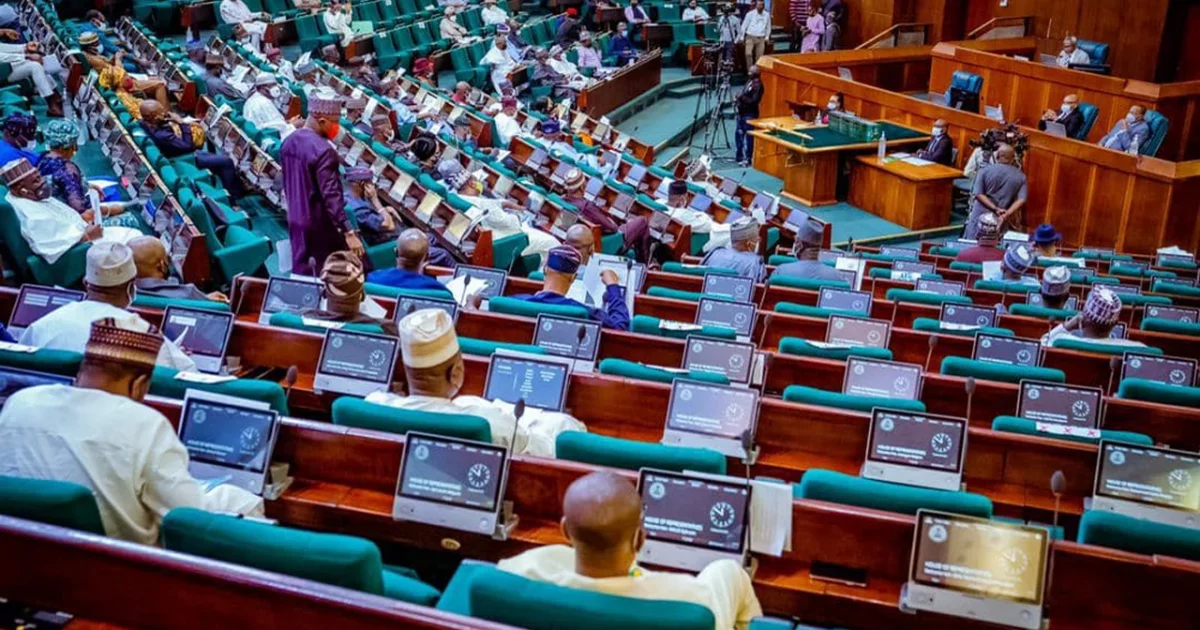
House of Representatives Highlights Healthcare Crisis in Nigeria
On Wednesday, the House of Representatives issued a strong warning about the alarming loss of access to essential medicines among millions of Nigerians. Lawmakers urged the federal government to take immediate action to address the steep rise in drug prices that threatens public health.
Urgent Call to Action by Lawmakers
The resolution stemmed from a motion presented by Alex Ikwechegu, the representative for the Aba North/Aba South Federal Constituency in Abia State. He noted the dramatic and consistent spike in the prices of vital medications over the past two years, particularly affecting low-income individuals and residents in rural communities where healthcare access is already precarious.
Worrying Price Increases Dismissed as Unsustainable
Ikwechegu characterized the trend as troubling, emphasizing the urgency for government intervention. He stated, “The prices for essential medicines have increased astronomically, placing them out of reach for millions who rely on these medications for their survival.”
Economic Factors Behind Rising Drug Costs
Data referenced in the motion reveals that costs for commonly used medicines have surged between 300 to 500 percent. This escalation is largely attributed to inflationary pressures, a weakening local currency, a high reliance on imports, and ongoing disruptions within supply chains.
Government Measures Insufficient in Addressing Challenges
The House acknowledged the government’s introduction of an executive order in June 2024, designed to alleviate production costs. This included waiving customs duties, value-added taxes, and import duties on pharmaceutical raw materials. However, lawmakers expressed disappointment that the anticipated benefits of this policy have yet to materialize across the sector.
Concerns Over Pharmaceutical Oversight
Furthermore, the House expressed apprehension about the protracted investigation into high-cost medications being conducted by the Federal Competition and Consumer Protection Commission since February 2025. Lawmakers highlighted that delays in reporting the investigation’s findings hinder accountability and timely policy adjustments.
Need for Local Manufacturing Emphasized
With over 70 percent of final medicines and active pharmaceutical ingredients imported, the House stressed the necessity of bolstering domestic production. Promoting local manufacturing not only enhances access to affordable medicines but also generates employment and stimulates industrial expansion. Lawmakers implored the Federal Ministry of Health and Social Welfare, along with other government agencies, to ensure effective implementation of the executive order.
Calls for Financial Initiatives and Campaigns
To further support the sector, the House urged the establishment of a Pharmaceutical Industrialization Fund under the Industrial Bank, providing low-interest loans to domestic pharmaceutical firms, particularly small and medium-sized enterprises. Additionally, they recommended a nationwide initiative to promote locally produced medicines, initiated by the Federal Ministry of Information and the National Orientation Agency.
Monitoring and Coordination Efforts Required
The House of Representatives has directed multiple committees to oversee the implementation of these measures, aiming to report back within four weeks. Amid increasing concerns about medicine affordability, lawmakers recognized the pressing need for a coordinated response to prevent exacerbating disparities in healthcare access. As economic challenges continue to escalate, the importance of timely actions to strengthen Nigeria’s health system becomes critical.
