


Afghan Refugees Face Uncertain Future in DRC As Resettlement Options Dwindle
Hundreds of Afghan refugees who assisted the United States in its fight against the Taliban may soon be relocated to the Democratic Republic of the Congo (DRC), following the Trump administration’s suspension of resettlement efforts to the U.S., according to an advocacy group.
Sean Vandiver, president of the San Diego-based Afghan Evac, revealed that he received information from multiple officials knowledgeable about the DRC resettlement program, some of whom are affiliated with the State Department.
The DRC—a central African nation with no historical ties to the Afghan populace—already hosts over 600,000 refugees and is grappling with one of the worst humanitarian crises globally, a dire situation exacerbated by years of conflict.
Vandiver accused the Trump administration of deliberately presenting Afghan refugees with untenable alternatives, prompting them to consider returning to Afghanistan, a move fraught with danger. He expressed outrage, stating that exacerbating one crisis by transferring it to another does not serve anyone’s interests.
Despite inquiries, neither the DRC government nor the U.S. Embassy responded to requests for comment regarding this troubling development. A State Department spokesperson confirmed ongoing efforts to find resettlement options for residents of Camp al-Sayriya and stated that maintaining open lines of communication with residents is a priority.
The spokesperson characterized relocating Afghan refugees to third countries as a positive approach that ensures safety while aiding those remaining in conflict zones, yet declined to offer further details due to the sensitive nature of negotiations.
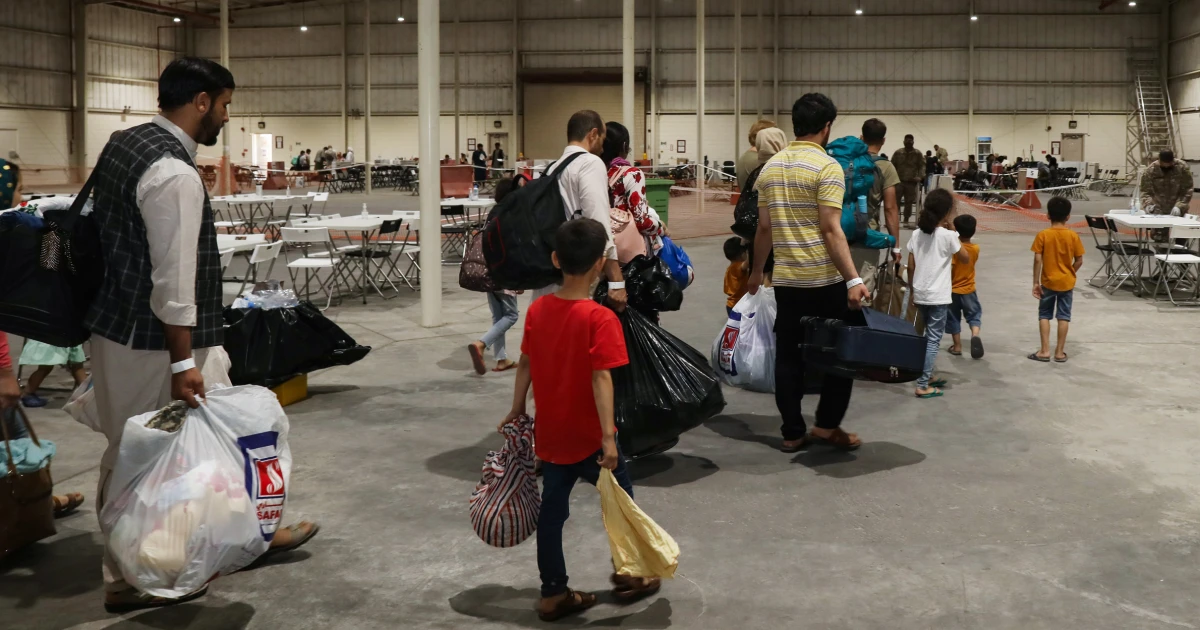
Advocates warn that the administration may be pressuring Afghan refugees, many of whom reside in camps awaiting U.S. resettlement, to return to a Taliban-controlled Afghanistan, where they risk severe persecution. Currently, around 1,100 Afghan nationals are at Camp al-Sayriya, a facility set up after their evacuation post U.S. withdrawal from Afghanistan in 2021. Most of these individuals have undergone extensive security checks and over 400 are children.
The urgency for resettlement remains high. Many refugees have been awaiting reunion with family members in the U.S., including those related to American service members. Earlier this year, the State Department aimed to clear the camps by March 31, but repeated delays have led to growing anxiety among the residents.
Given the DRC’s own struggles to support existing refugees, Vandiver expressed concern about the feasibility and safety of relocating Afghan refugees there. He emphasized the instability and lack of opportunity in the DRC, labeling it an unsuitable environment for Afghans, who could face forced returns to Afghanistan.
An executive from a U.S.-based resettlement organization corroborated Vandiver’s claims, having been briefed on the DRC relocation plans by a State Department contact. This individual highlighted the grim choice faced by refugees: risk returning to a country under Taliban rule or be relocated to a nation fraught with its own challenges.
The Trump administration has effectively shut down pathways for Afghan allies seeking refuge in the U.S., amid broader immigration restrictions following a high-profile mass shooting incident. As the Afghan refugee situation continues to unfold, experts worry about the long-term implications for U.S. national security and humanitarian obligations.
Vandiver noted that nothing prevents the administration from fulfilling its promise to bring vetted Afghans to the United States, yet the ongoing uncertainty is taking a heavy toll on the mental health of the affected individuals. The urgency of their plight has reached a critical point, as many face psychological distress amid an unyielding wait for resolution.
