


Supreme Court Hears Arguments on Immigration Parole for Green Card Holders
On Wednesday, the Supreme Court heard compelling arguments regarding immigration policy, particularly the circumstances under which the federal government can grant parole to green card holders. This case reveals the complexities of immigration law as it intersects with federal enforcement actions, a contentious issue that has gained momentum in the current political climate.
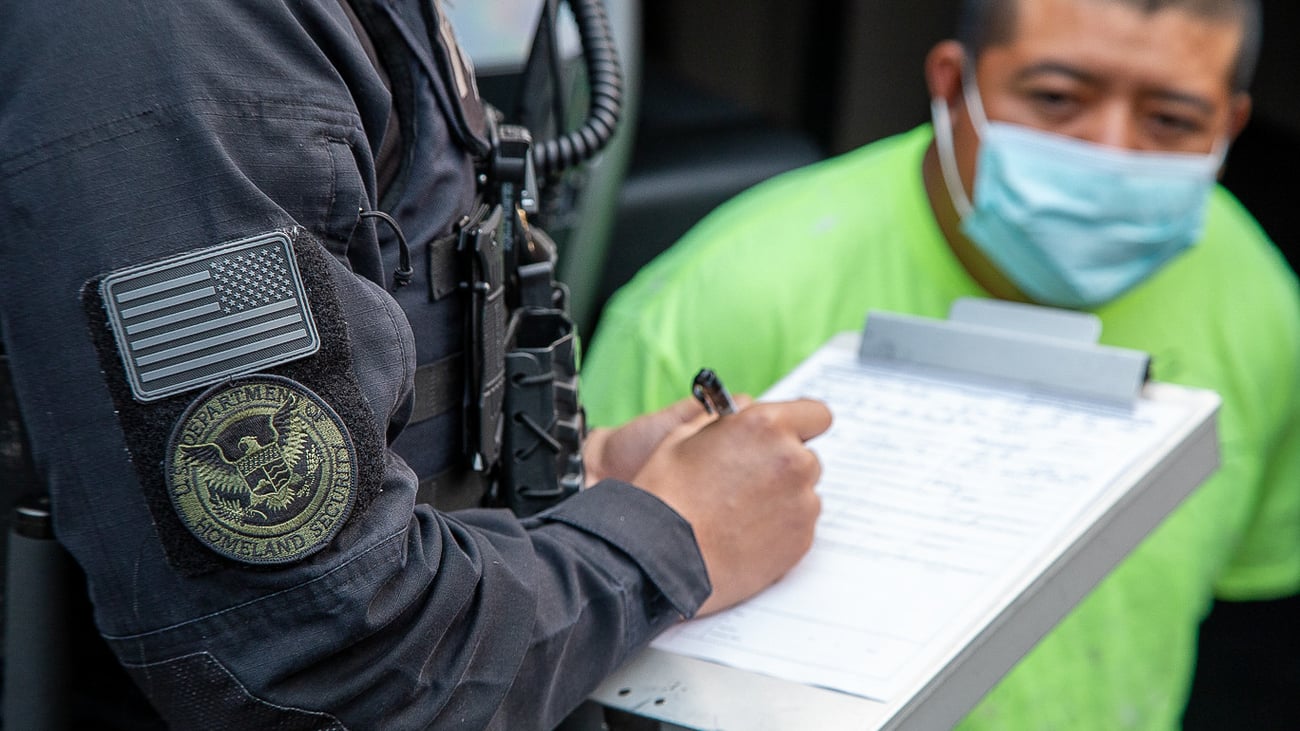
The Trump administration seeks to affirm the authority of Border Patrol agents to limit the rights of lawful permanent residents under certain conditions. Known as “parole,” this provision allows individuals to be temporarily released into the United States while their immigration status is under review. However, the implications of such a decision could strip these residents of essential documentation, complicating their ability to work and live legally in the country.
Central to the court’s discussion was the government’s request to parole certain green card holders facing criminal charges. Justices deliberated for over 90 minutes, weighing the potential scope and ramifications of their upcoming ruling. Judge Ketanji Brown Jackson, appointed by President Biden, voiced significant concerns about the government’s position, suggesting it grants Border Patrol agents excessive power to undermine the legal protections afforded to green card holders.
Jackson emphasized the importance of these protections, questioning why Border Patrol agents should wield such authority. The core advantage of being a lawful permanent resident lies in the ability to travel abroad without fearing denial of re-entry. While they enjoy greater stability compared to individuals holding temporary status, green card holders are generally not eligible for parole upon their return unless specific criteria are met.
The proceedings also shed light on the contrasting standards applied by the government versus immigration advocates concerning evidence necessary for determining parole eligibility. Advocates argue that agents require solid evidence—such as a conviction or confession—before making decisions that could have severe consequences for green card holders. In contrast, the government posits that a reasonable belief of wrongdoing is sufficient, deferring more definitive judgments to immigration judges later in the process.
Concerns were raised about lawful permanent residents being subjected to what Jackson described as a potential “guilt by association” scenario, where mere suspicion could result in significant legal challenges. She warned of a system where immigrants could find themselves caught in a web of legal uncertainties, ultimately complicating their ability to reside and work in the U.S.
The underlying political motivations are evident, particularly the administration’s ongoing efforts to incentivize voluntary deportations through policies shaped by key figures, such as Stephen Miller. Additionally, proposed regulations intend to restrict mixed-status families from living in public or subsidized housing, further complicating the landscape for immigrants in the nation.
