


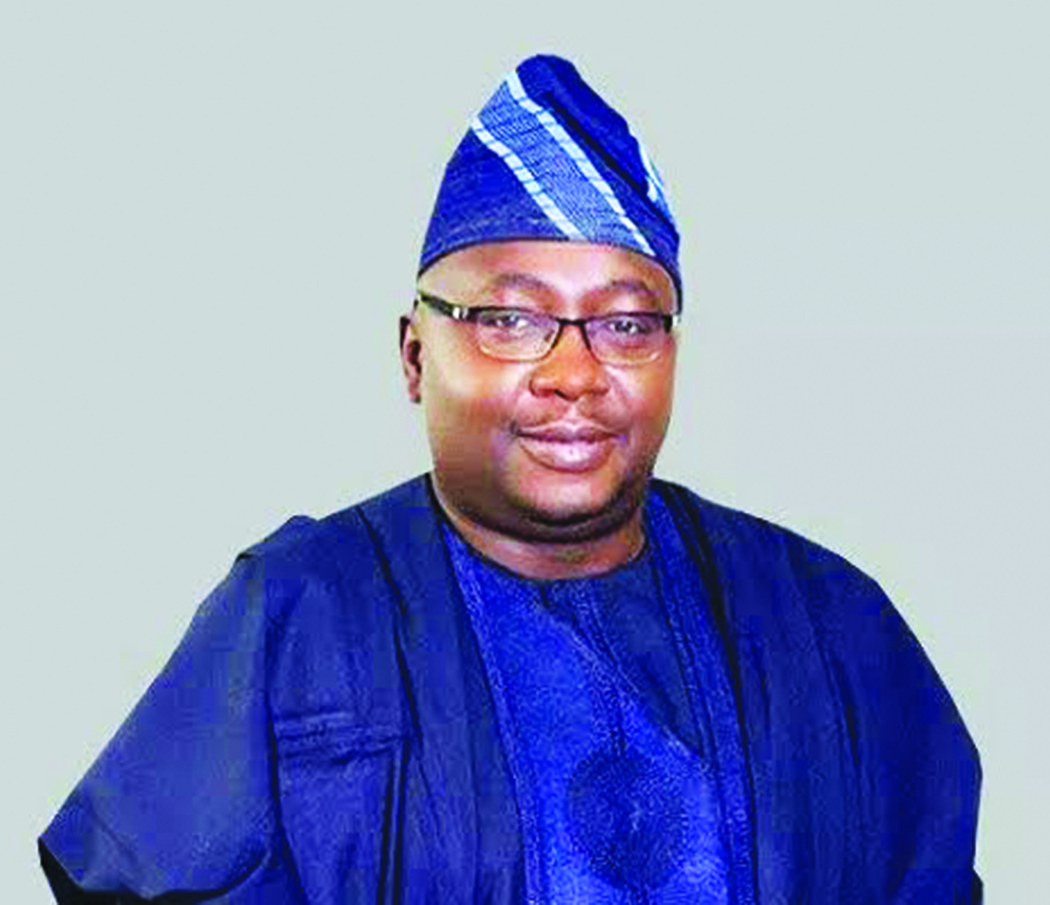
Proposed Creation of Coordinating Minister of Energy
Minister of Power Adebayo Adelabu officially submitted his resignation to President Bola Tinubu yesterday, advocating for the establishment of a Coordinating Minister of Energy to streamline reforms across Nigeria’s power, gas, and related sectors. In his resignation letter, dated April 22, 2026, Adelabu indicated that his resignation would take effect on April 30, 2026, enabling him to concentrate on his ambition to become the governor of Oyo State.
Transitioning to New Leadership
In his correspondence to the Nigerian leadership, Mr. Adelabu emphasized that ensuring the gains achieved in the power sector demands enhanced coordination at the highest levels. He called for the appointment of a central authority to unify policy direction and implementation across various energy sectors.
Accomplishments During Tenure
In a detailed three-page letter, Adelabu outlined several key achievements during his time in office, including the execution of the Electricity Act 2023, aimed at decentralizing the electricity market and fostering a conducive environment for investments. Among his notable successes was the integration of the Zunger hydropower plant and the refurbishment of various thermal power facilities, resulting in a peak power generation exceeding 6,000 MW. He also noted significant enhancements in transmission capacity through grid upgrades under the President’s Power Initiative.
Improvements in the Distribution Sector
Adelabu highlighted notable advancements within the distribution sector, particularly an increase in regulatory oversight, enhanced revenue collection, and progress in diminishing total technical, commercial, and collections (ATC&C) losses. He mentioned that initiatives such as the Presidential Metering Initiative (PMI) and the World Bank-supported Distribution Sector Recovery Program (DISREP) gained substantial traction in addressing the metering gap.
Financial Gains and Ongoing Challenges
From a financial perspective, he reported that recent tariff reforms and a N4 trillion debt restructuring program had bolstered market revenues from N1 trillion in 2023 to N2.3 trillion in 2025, effectively restoring investor confidence and paving the way for sustainability in the sector. Despite these successes, Adelabu acknowledged persistent challenges, including constraints related to gas supply, infrastructure vandalism, and the pressing need for the full commercialization of the electricity value chain.
Strategic Recommendations for Progress
To maintain momentum, he proposed critical measures such as the implementation of cost-reflective tariffs paired with targeted subsidies, recapitalization of distribution companies, an acceleration in nationwide metering, continued investment in transmission, and reinforcing regulatory enforcement. He specifically advocated for the establishment of a Coordinating Minister of Energy to oversee strategic policies and ensure cohesive operations across the electricity, gas, water resources, and environmental sectors.
Resignation Motivated by Political Aspirations
Mr. Adelabu expressed gratitude for the confidence and support he received from the President throughout his term. He clarified that his resignation was tied to his desire to dedicate his efforts towards his gubernatorial ambitions, aspirations rooted in his previous position as Deputy Governor of the Central Bank of Nigeria in 2016. He made it clear that the 2026 Revised Elections Act, which prohibits current officeholders from participating in elections, necessitated his departure at this juncture.
Clarification on Recent Ministerial Resignations
In related developments, the Presidency clarified that former Minister of Finance Wale Edun and Housing Minister Ahmed Musa Dangiwa voluntarily resigned from their positions rather than being dismissed. Presidential Spokesperson Bayo Onanuga detailed that Edun, who cited health reasons, formally tendered his resignation, with gratitude towards President Tinubu for the opportunity to serve. Both Edun and Dangiwa’s resignations reflect significant transitions within the government, aimed at addressing urgent challenges while seeking continuity in leadership.
