


A Federal Court Ruling Challenges California’s Immigration Law
A federal appeals court has invalidated a key California law aimed at contesting the Trump administration’s immigration policies, casting doubt on the efficacy of future legislative measures in this domain.
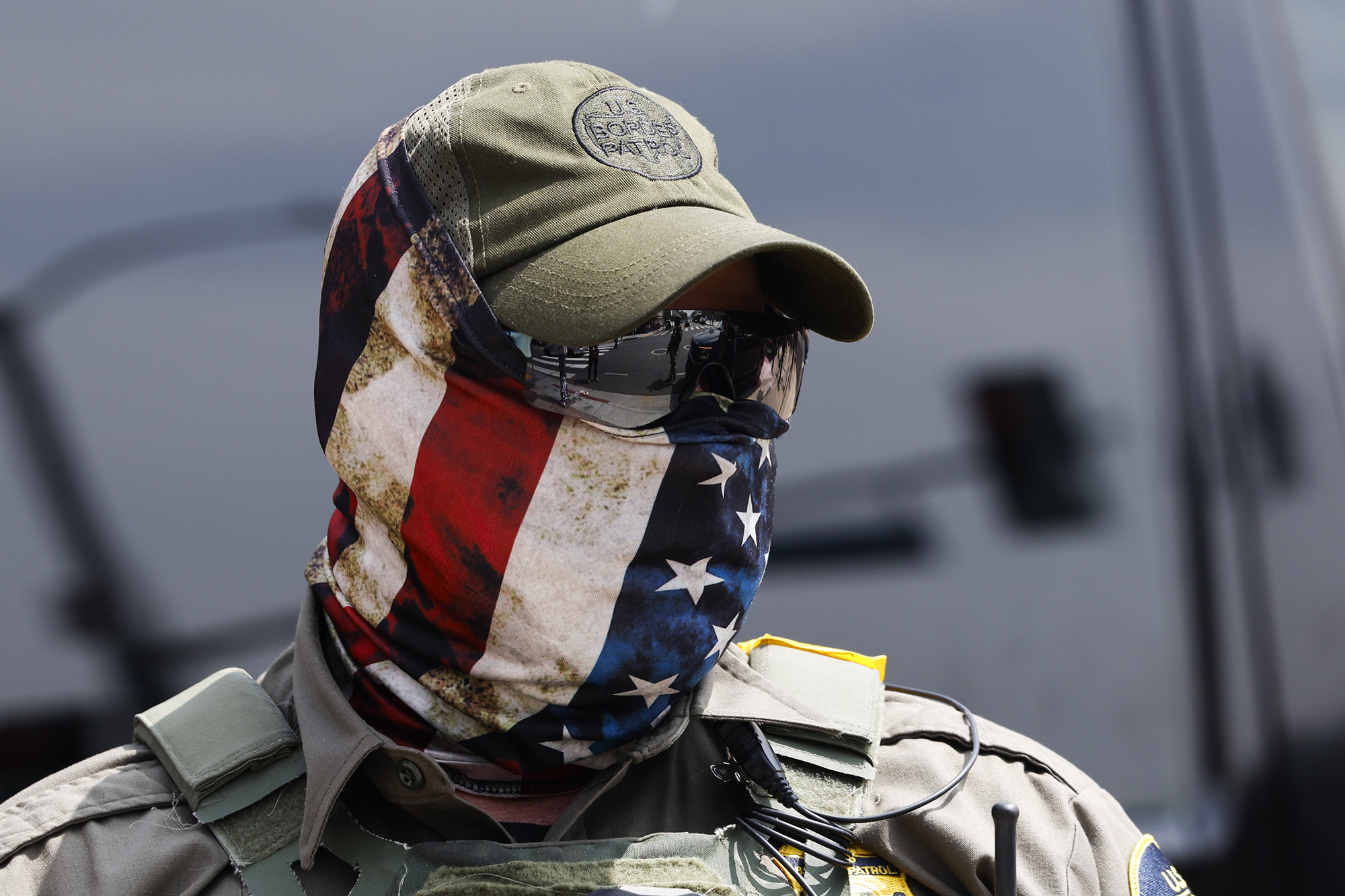
The Ninth Circuit Court’s recent ruling upheld an injunction preventing states from requiring federal immigration officials to disclose their identities. This law, enacted by California Democrats last year, was designed to oversee the activities of undercover federal agents involved in detentions throughout the state.
Following its passage, the law faced immediate legal challenges from the Trump administration, with a lawsuit filed shortly after Governor Gavin Newsom signed it. Reports by CalMatters’ Nigel Duara highlight a Supreme Court precedent from 1890, indicating that states lack the authority to prosecute federal law enforcement officers performing their duties.
This new legislation is seen as conflicting with the Supremacy Clause of the Constitution, which stipulates that state laws cannot regulate the operations of the federal government.
In his decision, Ninth Circuit Judge Mark J. Bennett stated that “a state law is invalid if it directly regulates the conduct of the United States,” regardless of the law’s perceived relevance to federal operations.
In response to this setback, California Democrats are now proposing further legislation aimed at federal immigration staff, including measures to restrict the hiring of immigration officers in local law enforcement and to facilitate civil rights lawsuits against federal employees.
However, the court’s ruling signals potential hurdles for these initiatives as well, with several legislators expressing concerns about the constitutionality of legislation that attempts to prioritize state laws over federal policy during recent committee discussions. Senator Dave Cortese (D-San Jose) remarked on the likelihood of future legal challenges to such proposals.
