


Opposition Demands Resignation of INEC Chairman
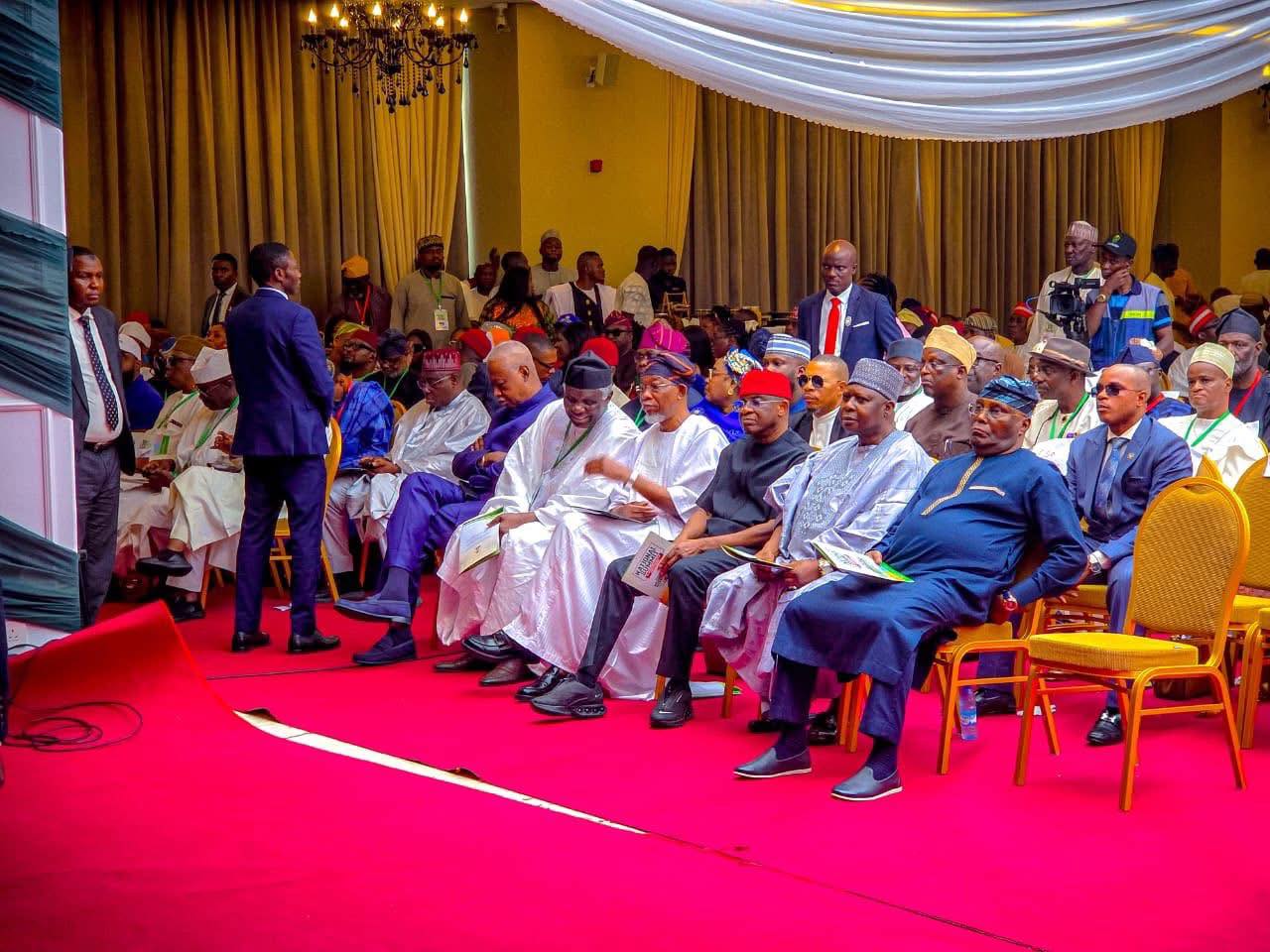
The main opposition parties in Nigeria are intensifying efforts to reclaim power from President Bola Tinubu and the All Progressives Congress (APC). During a significant national summit held in Ibadan, Oyo State, the opposition announced their intention to unify under a single presidential candidate for the 2027 general elections.
This pivotal gathering, which included prominent figures such as former Vice President Atiku Abubakar and ex-presidential candidates Peter Obi and Dr. Rabiu Musa Kwankwaso, concluded with a communiqué emphasizing their commitment to a common strategy. The alliance vowed to resist any attempts by the APC to establish a one-party state in Nigeria, reaffirming their dedication to multiparty democracy.
Call for Electoral Reforms and Release of Detained Politicians
The opposition has called for the resignation of Independent National Electoral Commission (INEC) Chairman, Professor Joash Ojo Ampitan, expressing concerns that his continuation in the role poses a threat to the integrity of the upcoming elections. The communiqué outlined that Ampitan’s perceived bias towards the ruling APC compromises the electoral process. The statement warned that his tenure could instigate widespread unrest within the country.
Regarding electoral reforms, the opposition urged both the Senate and House of Representatives to review the 2026 Elections Act, demanding the removal of provisions that jeopardize the sanctity of future elections. Additionally, they called for the immediate release of politicians being detained for bailable offenses, highlighting these actions as crucial to maintaining fundamental democratic rights.
Deadline Extension for Party Primaries Requested
The opposition has urged INEC to extend the deadline for party primaries to the end of July 2026, criticizing the new election guidelines as obstacles intentionally crafted to hinder opposition parties. The communiqué articulated the belief that the current deadlines favor the ruling party, calling for a more equitable electoral environment.
Urgent Response to Nigeria’s Crisis
Senator David Mark, National Chairman of the African Democratic Congress (ADC) and a former Senate President, emphasized the urgency of the summit as a response to Nigeria’s alarming state. He pointed to the increasing insecurity across the nation, citing over 12,000 conflict-related deaths in 2025 alone and Nigeria’s troubling position on the global terrorism index. Mark underscored the critical need for a political solution, expressing dismay at the government’s negligence in addressing these challenges.
Mark further cautioned against the erosion of democracy, asserting that it is defined by the electorate’s freedom to choose. He raised serious concerns about INEC’s credibility, suggesting that perceived partisanship undermines the integrity of elections and erodes public trust.
Warnings of Democratic Erosion
Governor Seyi Makinde, the summit’s organizer, expressed grave concerns about the gradual weakening of Nigeria’s democracy. He argued that the current political climate is creating an atmosphere where genuine political competition is at risk of disappearing. By recalling historical episodes of political violence in Nigeria, he stressed the importance of maintaining a healthy opposition to prevent a drift toward one-party domination.
Voices from the Summit on Economic Strain
Renowned political economist Professor Pat Utomi illustrated the acute economic challenges facing ordinary Nigerians, citing personal experiences with skyrocketing fuel prices that starkly contrast with the average income. He emphasized the broader implications of rising food prices, insecurity in agriculture, and the urgent need for action, warning that patience in the face of suffering is a luxury many can no longer afford.
The summit also featured participation from other notable figures, including former governors and seasoned politicians, who collectively aimed to establish a roadmap for political reform and economic stability in the face of ongoing challenges. The overarching message was clear: the need for collaborative action to safeguard Nigeria’s democratic future and alleviate the hardships faced by its citizens.
