


Air Peace Reduces Abuja-London Flight Frequency Amid Fuel Shortages
Air Peace has announced a reduction in its Abuja to London flights to three times a week, citing a limited supply of Jet A1 aviation fuel. This decision reflects the mounting operational challenges faced by airlines in Nigeria due to escalating aviation fuel costs.
Government Engagement on Aviation Challenges
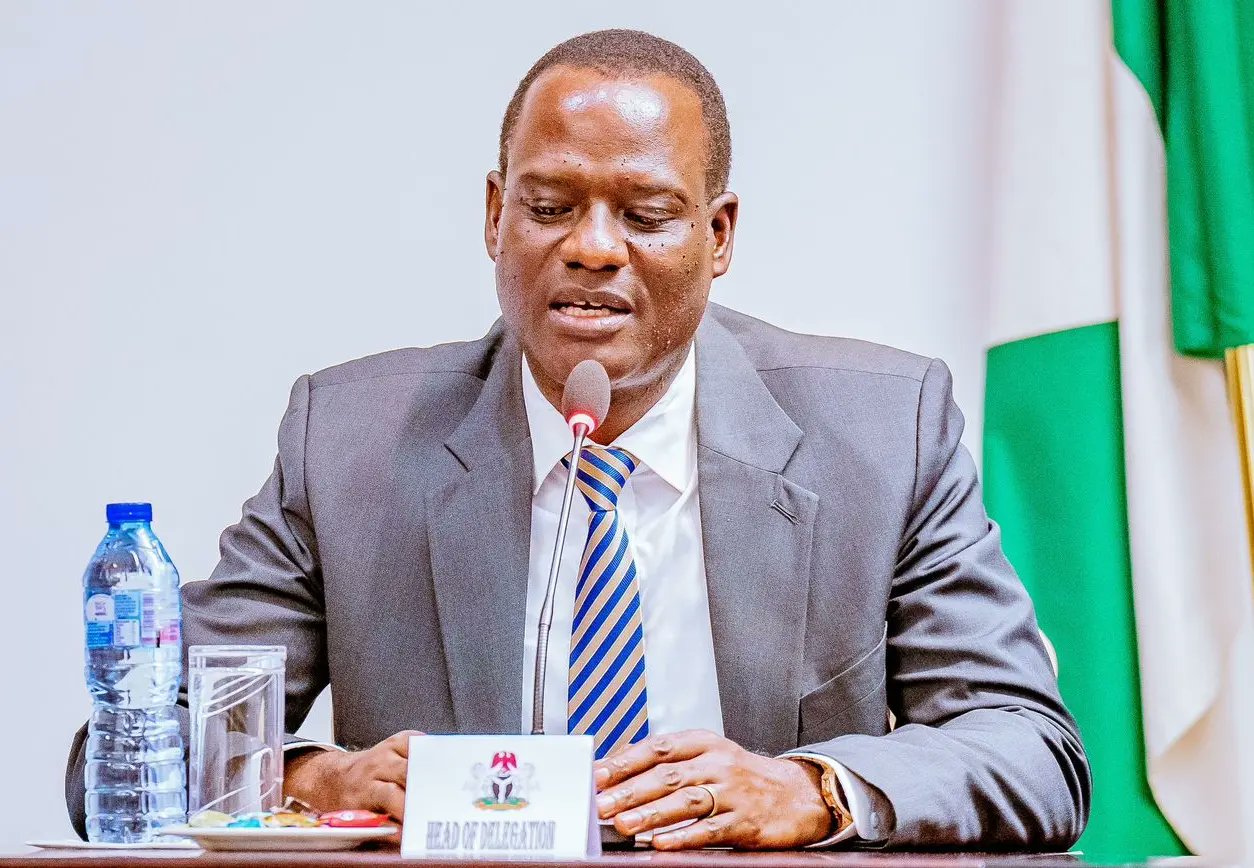
Taiwo Oyedele, the Minister of Finance and Coordinating Economic Affairs, recently held discussions with Festus Keyamo, the Minister of Aviation and Aerospace Development. Their talks focused on addressing the rising costs of aviation fuel and the pressures they impose on airlines. Oyedele emphasized that these discussions are part of broader efforts to rejuvenate the aviation industry and shield passengers from significant fare increases.
Instability in Flight Operations
The reduction in flights by Air Peace underscores a growing concern within the aviation sector. The airline’s communication via social media revealed that the cutbacks are temporary but necessary for maintaining safety and operational reliability. Full flight schedules are expected to resume by July 1st, contingent on fuel supply stabilization.
Government Initiatives to Support Airlines
In response to escalating pressures, the Nigerian government has initiated measures aimed at relieving domestic carriers. Keyamo announced a 30% discount on outstanding debts owed by local airlines, a decision approved by President Bola Tinubu. This relief package aims to provide immediate financial support amidst rising fuel prices that threaten to disrupt normal flight operations.
Concerns Over Service Cuts and Fare Increases
Domestic airlines have issued warnings regarding the possibility of reduced services and fare hikes if fuel supply issues are not resolved. Such developments could lead to diminished connectivity for travelers and increased costs, raising alarms among consumers and industry stakeholders alike.
Broader Economic Challenges Addressed
Beyond aviation, Oyedele addressed various economic challenges as he seeks to stabilize Nigeria’s economic landscape. He underscored the government’s commitment to fostering a more conducive environment for investment, enforcing fiscal discipline, and enhancing revenue collection while ensuring taxation remains fair for all citizens.
Commitment to Effective Policy Implementation
Emphasizing the importance of policy execution, Oyedele stated that successful reforms hinge not just on good design but on rigorous implementation and accountability. He expressed a keen interest in collaborating with both public and private sector stakeholders to elevate Nigeria’s economy from reform discussions to tangible outcomes, targeting accelerated growth and enhanced economic inclusivity.
