


Schroeder Center Hosts Discussion on Immigrant Health and Exclusion
On April 10, the Schroeder Center for Health Policy at the College of William and Mary welcomed Molly Dondero for a discussion titled “Lifelong Climates of Exclusion and Immigrant Health.” The event shed light on how exclusionary policies negatively impact the health of immigrant populations.
Dondero, who holds a PhD in sociology from the University of Texas at Austin, is currently a faculty member in the sociology department at American University, where she teaches demography.
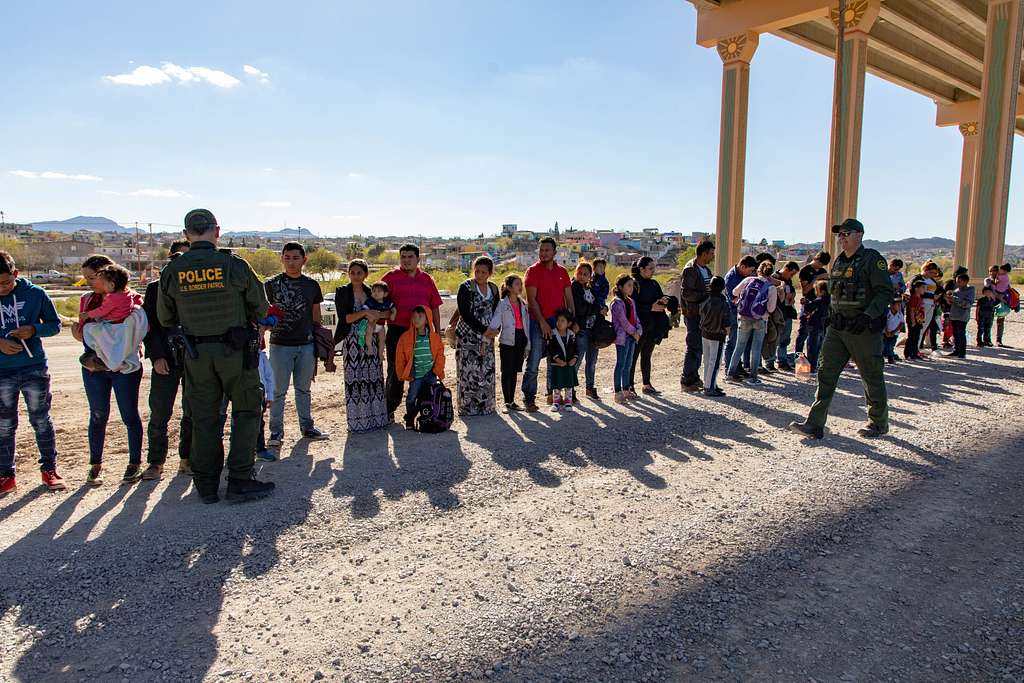
The presentation was structured into four main sections: historical and conceptual background, immigration policy as exclusion, empirical evidence, and future directions. Dondero began by examining the range of policies that affect immigrants in the United States—from ICE raids to detainee deaths—and their repercussions for both immigrants and the communities they reside in.
She also reviewed historical and contemporary health-related immigration policies, discussing practices such as physical examinations at Ellis Island and Angel Island, the fumigation of Mexican laborers, and the implications of Title 42 during the COVID-19 pandemic. According to Dondero, a troubling trend emerges in which migrants arrive in host countries healthy, yet their well-being often deteriorates across generations due to a lack of socio-economic benefits.
Dondero emphasized the multifaceted nature of exclusion. She articulated that it stems from complex power dynamics and interacts with various social factors to create a systemic web of disadvantage. This exclusion is evident both at macro levels—through existing laws—and micro levels, where individual circumstances further exacerbate vulnerabilities.
The discussion highlighted that in adolescence, the health repercussions of exclusion often manifest as mental health issues such as depression and anxiety, along with accessibility challenges to healthcare services. However, research that aims to understand the long-term effects of policies remains a considerable challenge due to the variability introduced by different governmental levels.
Turning towards her research, Dondero examined how state policies impact immigrant healthcare access. Her findings indicate that restrictions in immigration policy can lead to reduced access to healthcare, health insurance, and public benefits, especially for first-generation children and non-citizen adults. She noted that there is emerging evidence suggesting that such policies may weaken the role of non-governmental organizations in helping immigrants navigate resources.
Closing her presentation, Dondero shared predictions about increasing exclusion from national policies and emphasized the ongoing difficulties researchers face in data collection and funding. She also urged a more nuanced evaluation of economic arguments in the immigration debate.
In a follow-up conversation, Dondero discussed her academic journey, which includes a bachelor’s degree in English and Spanish from Pennsylvania State University and a master’s in Latin American Studies from the University of Florida. Her interdisciplinary training in investigative techniques fostered her passion for both journalism and quantitative research, particularly regarding immigration.
Dondero’s work employs a “sociological imagination” approach, aiming to dissect social structures through real-world experiences and observations. She expressed interest in future research that would explore how various federal and state policies affect individual immigrants and the broader implications for health and power dynamics in the United States.
Graduate assistant Sophie Willson-Quayle attended the lecture, expressing her newfound understanding of the intersections between immigration and health policy. She remarked on the tragic irony that individuals risk their lives for better opportunities, only to find themselves facing health challenges in their new environments.
Esmeralda Sánchez Salazar, an associate professor of sociology, highlighted the real-life impacts of exclusionary policies on vulnerable immigrant populations. She noted that Dondero’s research serves as a poignant reminder that discussions surrounding immigration and health ultimately affect actual people’s lives.
Elias Bakhtiari, director of the Schroeder Center for Health Policy, played a key role in organizing the event. He underscored that, while aggregate data may suggest immigrants are generally healthy, they fail to reflect the profound effects of exclusion and marginalization on their overall well-being. Bakhtiari cautioned that policies aimed at illegal immigrants frequently produce adverse outcomes for documented immigrants and their families.
