


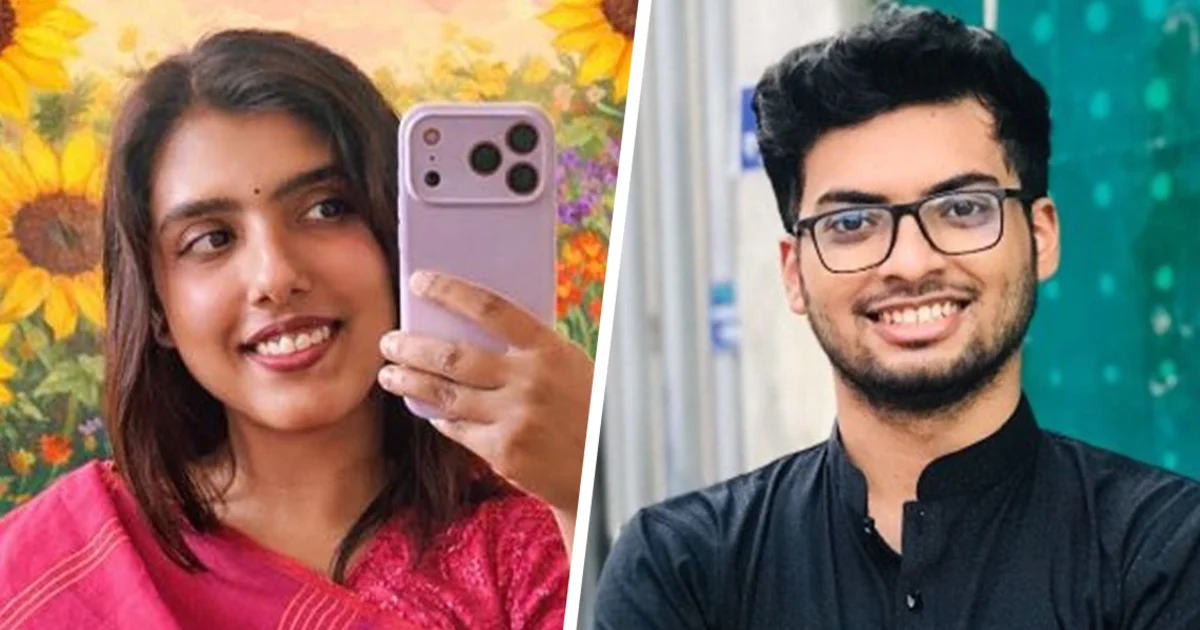
Allegations Arise in Case of Murdered USF Students
A man charged with the murders of two University of South Florida doctoral students allegedly consulted ChatGPT about the logistics of hiding bodies, according to court documents. Hisham Abugarbiyeh, 26, faces first-degree murder charges related to the deaths of 27-year-olds Zamir Rimon and Nahida Bristi. Limon’s remains were discovered on Friday, and he was roommates with Abugarbiyeh, a former U.S. military student stationed in Japan.
Prosecutors Outline Disturbing Chatbot Interactions
In court filings made on Saturday, prosecutors revealed that Abugarbiyeh had inquired of ChatGPT on the night of April 13, three days prior to when Rimon and Bristi were last seen, about the ramifications of placing a human body in a trash can. “What would happen if a human being was placed in a black trash bag and thrown into a trash can?” he reportedly asked.
Chatbot’s Caution Raises Eyebrows
The AI responded by cautioning that such actions could be dangerous. According to the filings, Abugarbiyeh then followed up with a query that implied a level of indifference about the consequences, asking, “How would they know?”
Evidence Found in Trash Can
Witnesses reported seeing Abugarbiyeh move several cardboard boxes from his room to the building’s trash compactor on April 17. Investigators found Limon’s personal items, including a student ID and a credit card, among the discarded belongings. Additionally, DNA tests conducted on a gray T-shirt retrieved from the bin indicated it likely belonged to Limon, and similar testing on a kitchen mat resulted in a match for Bristi.
Details of the Discovery and Investigation
On Friday, authorities located Limon’s body encased in a heavy-duty trash bag that showed signs of decomposition. Autopsy findings suggested that he had died from multiple sharp-force injuries, indicating a homicide. As of now, there is no evidence suggesting that Bristi is alive, and investigators suspect that her body may also have been disposed of by Abugarbiyeh.
Further Allegations and Legal Proceedings
The Hillsborough County Sheriff’s Office reported the discovery of human remains during a search for Bristi, though these remains are yet to be identified. While no motive for the killings has been disclosed, prosecutors allege that Abugarbiyeh drove Rimon and Bristi to Clearwater on April 16, the day they were last seen. The complaint further states that on that night, he purchased items such as trash bags and cleaning supplies, while evidence of blood was found in his apartment.
A Complex Narrative Emerges
Investigators revealed that Abugarbiyeh sustained a cut on his left pinky, which he claimed was from an incident involving a knife while slicing onions. When interviewed, he initially denied knowing the students’ whereabouts but later shifted his account after cell phone data indicated his vehicle was present in Clearwater at relevant times. He contended he dropped them off after Limon requested a ride. However, location data suggests he stopped at an area near the Howard Frankland Bridge, where Limon’s body was later located.
Legal Developments and Community Reactions
Abugarbiyeh was apprehended on Friday following a brief standoff with law enforcement and is facing multiple charges, including assault and tampering with evidence. He remains in custody without bail and is scheduled for a court hearing on Tuesday. Family members of Rimon and Bristi expressed their hopes that their children’s remains would be treated in accordance with Islamic customs and requested a memorial at the university. The University of South Florida stated it is mourning the loss of its students while pledging to uphold safety for the student community.
