


April 28, 2026, 12:00 AM ET
Uncovering Family History Amidst Forced Migration
The author reflects on her family’s historical experiences with forced migration, beginning with her mother, who was deported from Hungary to Germany in 1946 during the mass expulsion of ethnic Germans. This traumatic chapter in her family’s narrative, which includes ancestors who were prisoners of war, immigrants to the United States, and victims of historical oppression, spurred her motivation to settle in the U.S. and engage with the local Erie Benedictines. Recently, she uncovered that her great-grandparents lived and were buried in Erie, prompting her family to visit the area.
Roots in Soloczar
The author is the daughter of a woman who, at the age of 16, was forcibly relocated from the village of Soloczar, which had a population of 5,600, along with her family. Notably, her grandfather did not participate in this move, having been a prisoner of war in Siberia. The community in Soloczar, founded in 1717, preserved its German dialect and traditions while fostering good relations with Jewish and Hungarian neighbors until the upheaval of 1946. Seven generations and 123 ancestors from this village contributed to the shaping of the author’s identity.
Erased Histories
The individuals displaced from this village belonged to a flourishing community that, despite being labeled “valuable members of the Hungarian nation,” was unjustly branded as traitors and subsequently deported. This sentiment was echoed at a 1987 conference in Budapest, where L. Tirkupovski and authors Michael Schäfer and Michael Weidinger highlighted the tragic erosion of this community’s history.
A Personal Reflection on Heritage
The author recounts her father’s experiences, stating that at the tender age of six, he briefly lived in Chicago with his father, who intended to relocate, but returned to Germany when his wife refused to emigrate. Her grandfather’s military service took him to Africa, where he was captured and subsequently imprisoned in a U.S. POW camp, demonstrating the complex and often tragic nature of her family’s circumstances.
Education and Reflection
Born in Germany in 1956, the author was educated by history teachers who sought to comprehend the German complicity in the Holocaust and the ramifications that followed, including deportations from Eastern Bloc countries. They explored behaviors like denial and inaction that contributed to these atrocities, imparting a sense of guilt and shame that became integral to the author’s identity.
A Journey of Service and Self-Discovery
After earning her university degree, the author sought to engage in volunteer work in the U.S., motivated by the sacrifices made to combat Hitler’s regime. In 1986, she joined the Erie Benedictine community, where her commitment to peace and justice aligned with the values of the Sisters, who had immigrated to teach local German children. Following years of involvement with the community, she began the process of becoming a U.S. citizen and gradually stepped outside the religious community, facing new questions about her identity and belonging.
Connecting to Ancestral Roots
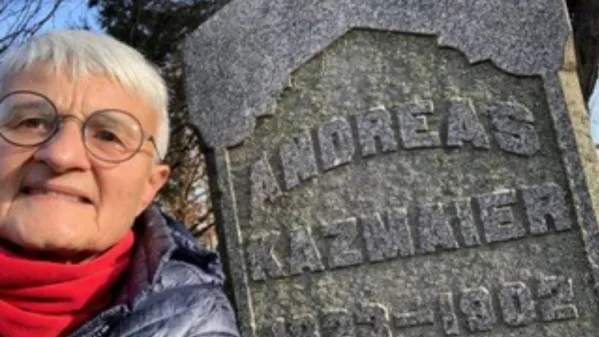
It wasn’t until 2021 that the author unearthed the fact that she is the granddaughter of a woman whose father was born in Erie County. This revelation linked her family back to the Kazmaier family, who returned to Erie in search of a better life. Although her ancestors once faced the hardships of migration and resettlement, they left a legacy that has profoundly connected her to Erie, Germany, and Hungary, emphasizing that her family’s history of perseverance and sacrifice continues to resonate within her.
The author firmly believes that our DNA carries not just our physical traits but also the memories and traumas of our ancestors. Through her reflections and discoveries, she honors the complexities of her family’s past while advocating for the recognition of immigrant histories in today’s society.
Margarita D’Angel has retired from her role at the Sisters of St. Joseph Neighborhood Network. This editorial was contributed by the French Creek Immigration Project, which aims to illuminate the diverse journeys of families in northwestern Pennsylvania.
