


Nigeria Recognizes Intellectual Property as a Catalyst for Sports Economic Growth
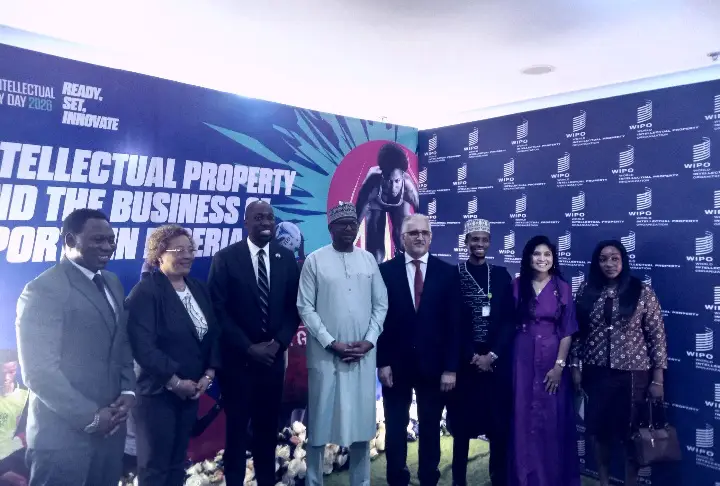
During the 2026 World Intellectual Property Day celebrations in Abuja, a prominent industry leader emphasized Nigeria’s commitment to leveraging intellectual property (IP) as a significant driver for economic advancement in sports. The event, held at the United Nations House and organized by the World Intellectual Property Organization (WIPO), centered around the theme “IP and Sport: Prepare, Prepare, Innovate.”
The seminar attracted policymakers, athletes, and key figures from the industry, creating a vital forum to discuss the intersections of sports, innovation, and economic development. Shehu Ditko, Chairman of the National Sports Commission, delivered the keynote address, asserting that sports must evolve from mere recreation into a structured economic asset.
Ditko delineated the modern landscape of sports, noting that it encompasses media rights, branding, sponsorship, data, and technology—all inherently reliant on robust intellectual property protection. He pointed out that Nigeria’s primary challenge lies not in talent but in the effective identification, protection, and commercialization of sports-related intellectual property assets.
“Intellectual property is what transforms sport from just an activity into a viable economic asset,” he remarked. Furthermore, Ditko highlighted that ongoing reforms under President Bola Tinubu are designed to enhance sports as a contributor to Nigeria’s gross domestic product (GDP) and create new job opportunities.
According to Ditko, the Renewed Hope Initiative aims to stimulate investment and secure long-term financing for Nigeria’s sports economy. He identified several obstacles, including low levels of IP awareness, inadequate documentation of rights, copyright infringement, and a limited understanding of image and data rights.
He called for the cultivation of a culture where athletes, clubs, and federations clearly understand and assert their intellectual property rights. Additionally, Ditko stressed the need for collaboration among governments, the private sector, and regulatory bodies to unlock value across the sports ecosystem.
In his opening remarks, WIPO Director-General Darren Tan described intellectual property as the “invisible engine” propelling global sports forward. He explained that IP is essential in the multi-billion dollar sports industry as it connects athlete performance with innovation, business opportunities, and global expansion.
“Behind every successful sport is a patent, trademark, and copyright framework that enables innovation and investment,” Tan stated, reaffirming WIPO’s commitment to using IP as a vehicle for global economic growth and development. A panel discussion further explored how intellectual property can unlock opportunities in the sports business and media sectors, featuring industry experts such as Beverly Agbakoba-Onyejanya, Jamal Mohammed, Gbemisola Abudu, and Emmanuel Olowononi.
The panelists highlighted the importance of structured media rights, sponsorship deals, and brand protection as essential strategies for monetizing sports. They called for enhanced legal frameworks, greater professional capacity, and more robust enforcement mechanisms in Nigeria’s sports sector.
Moreover, the speakers emphasized the need for educating athletes and administrators on the commercial value of their rights. A consensus emerged that fostering innovation, ensuring legal clarity, and promoting collaboration are crucial for developing a competitive sports economy in Nigeria.
The event drew notable attendees, including former international football player Daniel Amokachi, heads of major intellectual property institutions such as John Asane, Director-General of the Nigerian Copyright Commission, and Shafiu Yauri, Director-General of the Trademark Registry. Also present were Elsie Atafua, the UN Resident Coordinator for Nigeria, Mr. Obiageli Amadiobi, Executive Director of NOTAP, and Ms. Jane Igwe, Registrar of Patents and Designs. The seminar provided valuable insights into harnessing intellectual property for sports development and economic transformation in Nigeria.
