


Call for Integration of AI in University Governance
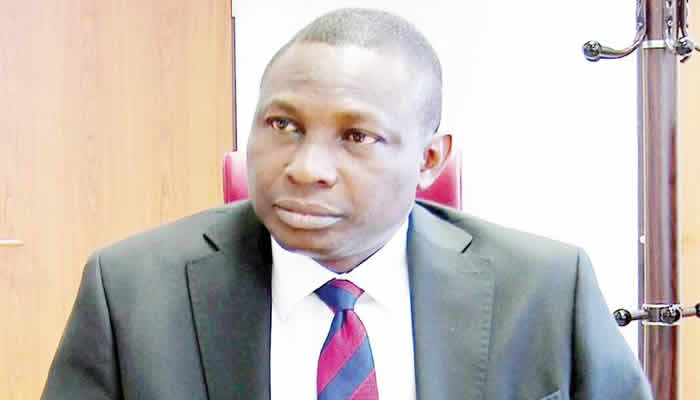
The Chairman of the Economic and Financial Crimes Commission (EFCC), Ola Olukoede, has urged Nigerian universities to prioritize the implementation of artificial intelligence in their governance and financial management systems. This initiative is part of broader efforts aimed at enhancing accountability and combating corruption within these institutions.
Keynote Address at Biennial Conference
Mr. Olukoede delivered this pivotal message on Tuesday in Kano during the opening ceremony of the 8th Biennial Conference of the Nigerian State Universities President Advocacy Council. He underscored the importance of AI as a vital safeguard for public institutions, cautioning that universities could lag behind international standards if they fail to adopt a technology-driven approach to oversight.
The Imperative for Technological Adoption
He emphasized that the Nigerian university system cannot afford to be left behind in an increasingly digital world. “Artificial intelligence is no longer an option; it is a necessary defense mechanism to ensure transparency,” he stated, highlighting the critical role technology plays in institutional integrity.
Financial Challenges in Educational Institutions
Despite handling multi-billion naira budgets that include tuition fees, TERT allocations, and research grants, many educational institutions continue to face significant accountability challenges. Mr. Olukoede reported that the EFCC has identified numerous financial irregularities in tertiary institutions, including inflated contracts, ghost workers, and the misappropriation of student fees.
Impact of Corruption on Public Trust
“Each of these incidents represents not only a financial loss but also a betrayal of the trust that parents, students, and taxpayers place in our universities,” he remarked. He stressed that the health of institutions is vital for national development, warning that corruption within universities jeopardizes the trustworthiness of graduates.
Recommendations for Improved Governance
Highlighting the potential of AI, Mr. Olukoede pinpointed areas for enhancement in governance, including fraud detection, automated audits, payroll oversight, procurement tracking, and systems to uphold academic integrity. He encouraged University Governing Councils to take proactive measures in adopting digital systems for operational efficiency.
Commitment to Collaborate with Institutions
He recommended that every university governing council form an AI and digital governance committee, alongside establishing a comprehensive digital integrity strategy encompassing financial, academic, and data protection facets. Furthermore, he called for investments in broadband infrastructure, cybersecurity systems, and cloud-based data management, advocating for stronger collaboration with the EFCC for training and information sharing.
The Role of Human Integrity in Governance
Despite the advantages AI offers, Olukoede cautioned that technology alone is insufficient to resolve governance challenges without a foundation of human integrity. He asserted that “no matter how advanced technology is, its effectiveness is only as good as the ability of the people using it,” stressing that AI serves to support—rather than replace—human integrity. He warned that an excessive reliance on technology, if mismanaged, could undermine professional judgment and increase cybersecurity vulnerabilities.
Engagement in the Fight Against Corruption
Mr. Olukoede reiterated that combating corruption is a collective national responsibility. He expressed the EFCC’s readiness to collaborate with universities to foster a system of accountability anchored in transparency and integrity, affirming that such a goal is within reach.
