


Impact of Immigration Enforcement on Healthcare
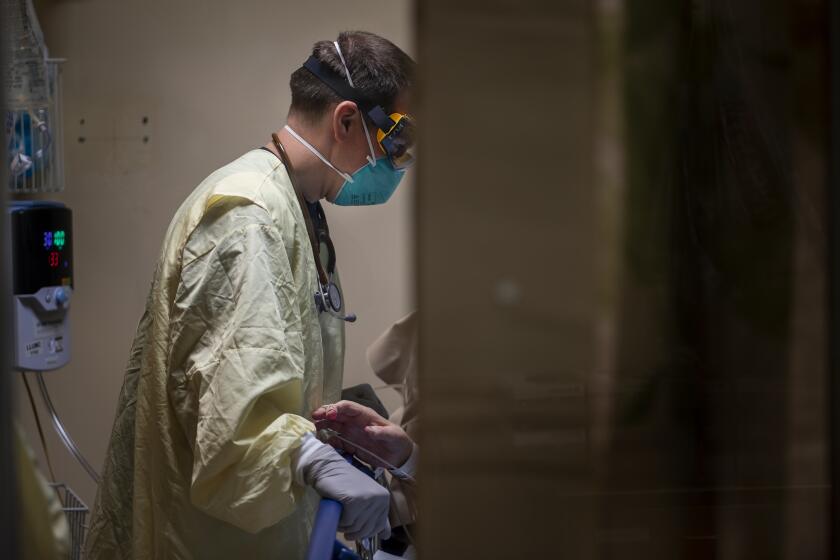
A recent episode of HBO’s “The Pit” starkly illustrated the troubling intersection of immigration enforcement and healthcare. In the scene, Immigration and Customs Enforcement (ICE) agents clad in tactical gear brought a zip-tied woman to the emergency room for medical evaluation, triggering chaos among hospital staff. Uncertain about how to respond, healthcare workers vacated the facility, fearing for their safety as well as that of the patients. Although this portrayal is fictional, it mirrors the realities in hospitals across California, where the presence of ICE poses a significant threat to healthcare provision, worker safety, and patient welfare.
Personal Accounts from Medical Residents
As medical residents in California, we have witnessed these unsettling dynamics firsthand. Imagine a scenario where a medical resident faces the heartbreaking task of discharging a patient whose diabetes is poorly managed, returning him to ICE custody. This patient, due to medical negligence in the detention center, required ICU treatment to stabilize his dangerously high blood sugar levels. Despite regaining stability in the hospital, he was sent back to an environment rife with neglect. Such practices do not solve medical crises; they only delay the next urgent situation.
Documented Cases of Medical Negligence
The issue of medical neglect in immigrant detention facilities is well-documented. Within ICE centers, patients often lack access to sufficient food, clean drinking water, appropriate clothing, and necessary medications. Access to healthcare is frequently delayed or denied entirely. When patients under ICE custody are admitted to hospitals, the agents’ presence complicates their ability to receive essential care, impacting their health outcomes.
Hospitals’ Compliance with Immigration Authorities
Hospitals have been complicit in this troubling scenario, largely cooperating with immigration enforcement instead of developing robust policies that safeguard patients and staff. Incidents have been reported where ICE agents refuse to leave examination rooms during private medical consultations, leading to legal dilemmas for medical staff who attempt to protect their patients. Some hospitals even instruct doctors to provide information about patients’ rights to those who often lack the means to act on them, such as access to legal representation.
Encroachments on Medical Trust and Practice
Hospitals should function as places of healing, but the influence of immigration authorities is eroding trust within clinical settings. Trust is critical in healthcare; it’s the foundation for patient communication, treatment adherence, and ultimately, patient survival. Many healthcare providers are left wondering if they can legally connect patients to essential services like legal aid or insurance programs. The reality is alarming, as ICE has been known to use hospitals as staging grounds for arrests, further jeopardizing patient confidentiality.
Voices of Concern from Healthcare Professionals
As physicians, we find ourselves in a privileged position to observe the damaging impacts of immigration enforcement on clinical care. The Hippocratic Oath, which mandates that we do no harm, is increasingly overshadowed by the self-interests of healthcare institutions. This misalignment with ethical obligations is unacceptable, and as frontline caregivers, we must reject this troubling trend.
Call for Comprehensive Policy Changes
With community support, Los Angeles County recently adopted a policy aimed at protecting patients in ICE custody who seek care at county hospitals. This initiative must be replicated throughout other healthcare facilities. Hospital leadership must align with staff and patients rather than with ICE, establishing clear protocols that protect patient privacy and ensure compliance with state laws designed to shield them from immigration enforcement.
Taking Action for Patient Advocacy
There are steps we can all take to advocate for change. Residents can engage with organizations like CIR/SEIU or the People’s Care Collective. Community members are encouraged to reach out to their state representatives to demand the enforcement of Senate Bill 81, report noncompliant hospitals to the California Department of Public Health and the Attorney General’s Office, and support legal advocates like the Humane Immigrant Rights Coalition. Hospitals should prioritize their healthcare mandate, eschewing roles as instruments of immigration control, thus reaffirming their commitment to patient care and ethical practice.
Alana Slavin is a psychiatry researcher in Los Angeles, Marina Martinez is an internal medicine resident in San Francisco, and Sasha Bercovici is a psychiatry resident.
