


The Global Significance of Rice in Culinary Traditions
Georges-Auguste Escoffier, renowned French chef and culinary authority, emphasized the importance of rice, terming it “the best, most nutritious, and undoubtedly the most widespread staple food in the world.” Biologically recognized as “oryza sativa,” rice is a fundamental ingredient in households across numerous countries, particularly prevalent in regions such as Asia and Africa.
Rice Consumption Patterns in Nigeria
In Nigeria, rice has transitioned from a culinary choice to an essential dietary staple, consumed daily by many families. Its popularity underscores its critical role in Nigerian cuisine, as families prioritize it above other food options.
Diversity within Rice Varieties
There are two primary species of rice: African rice and Asian rice, alongside more than 40,000 other cultivated varieties globally. Among these, long grains, short grains, basmati, and brown rice are particularly popular. These varieties are cultivated in considerable quantities for local consumption and international export. In fact, rice ranks as the third most produced agricultural commodity worldwide, with approximately 741.5 million tons harvested in 2014 alone.
Leading Rice Producers and Technological Advancements
China, Thailand, India, and Indonesia are among the foremost rice-producing nations. In 2018 and 2019, China alone yielded over 148 million tons of milled rice. Thailand shows a similar trend, engaging all its provinces in rice production activities and achieving a production volume of around 3.78 million tons in 2016. This impressive output can be attributed to supportive government policies aimed at enhancing rice production through technology-driven farming practices.
Challenges in Nigeria’s Agricultural Sector
While several nations are modernizing their agricultural value chains to bolster local food production and enhance export capacity, Nigeria has seen a decline in rice cultivation since the discovery of oil in the early 1970s. Instead of leveraging technology to boost local production, successive governments have increasingly relied on rice imports, adversely affecting the national economy.
Collaboration for Enhanced Local Rice Production
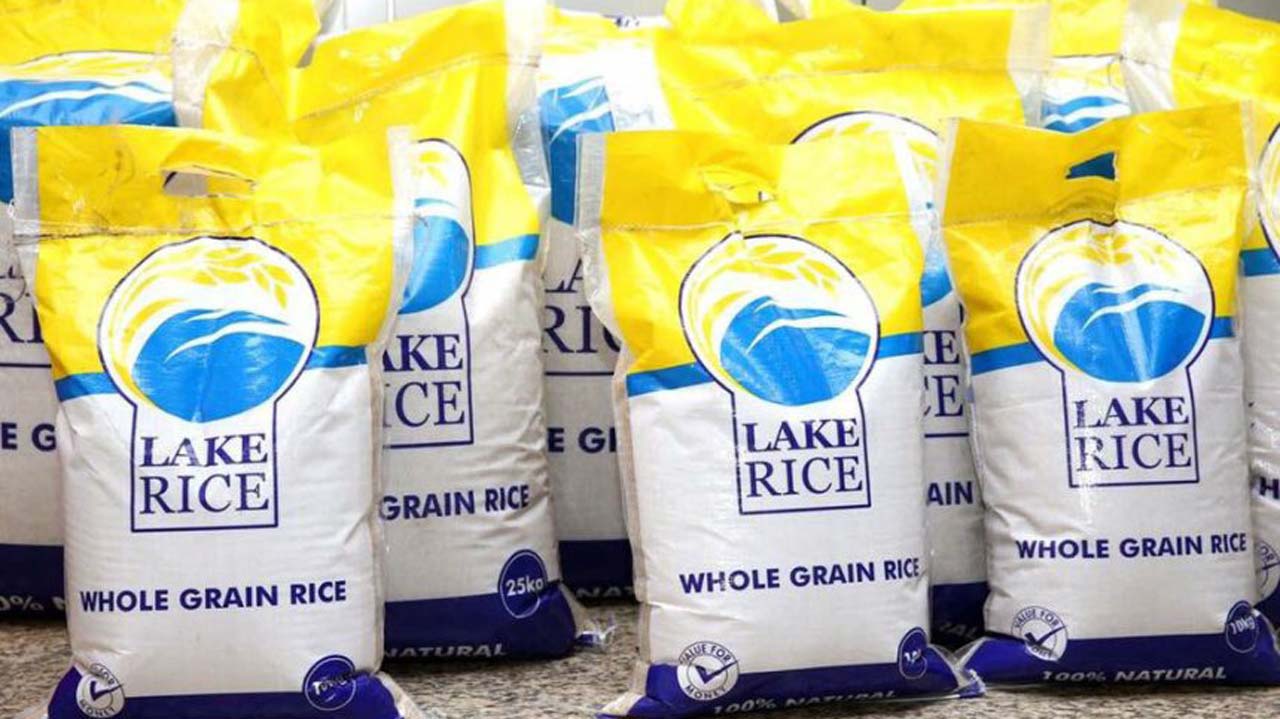
To combat these issues and promote local rice farming, the governments of Lagos and Kebbi States established a partnership in 2015. This collaboration, known as LAKE (Lagos and Kebbi) Rice, aims not just to boost rice production but also to enhance food security and self-sufficiency. Kebbi is characterized by its vast arable land suitable for cultivating essential crops like rice, while Lagos offers industrial potential, including processing facilities and a robust consumer market.
Ongoing Initiatives to Strengthen Rice Production
Currently, the Lagos administration, led by Babajide Sanwo-Olu, is committed to reinforcing the state’s rice production capabilities. The completion of the Imota rice mill, located in Ikorodu, marks a significant step forward. Once operational, this facility is projected to produce 115,200 tons of milled rice annually, requiring about 280,000 tons of paddy each year. To ensure a steady supply of paddy, plans are in place for sourcing from local farmers.
Empowerment and Training for Local Farmers
Recent initiatives have included an awareness, training, and empowerment program that reached over 800 rice farmers across various locations in Lagos. This program aimed to educate farmers on modern cultivation practices and efficient harvesting techniques. Such training is crucial, especially given the limited agricultural land in the state, as it empowers farmers with the knowledge necessary to enhance productivity and secure a sustainable supply chain for rice cultivation.
The Importance of Food Security for Lagosians
With Lagos boasting a population exceeding 20 million, the region’s food security has become paramount. As residents consume roughly 50% of the nation’s food supply, ongoing efforts to strengthen the rice value chain stand to benefit the community significantly. Amidst ongoing economic challenges, investing in agriculture could provide a pathway for sustainable growth and development across Nigeria.
Odumade is affiliated with the Ministry of Information and Strategy Functional Unit, Alausa, Ikeja State.
