


House Approves Funding Bill for Homeland Security
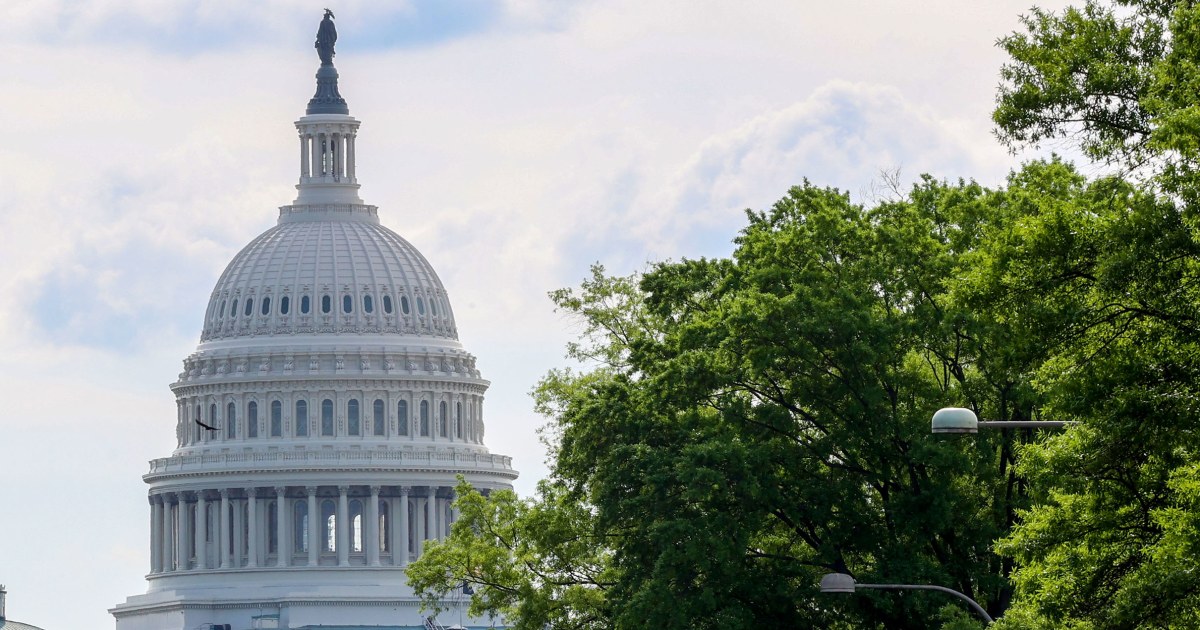
WASHINGTON – On Thursday, the House of Representatives passed a bill that funds significant portions of the Department of Homeland Security (DHS), successfully ending a historic 75-day shutdown of this expansive federal agency.
Presidential Support for Legislation
President Donald Trump urged lawmakers to advance the bill and expressed his intent to sign it into law. The vote was conducted “voice alone,” with members loudly affirming their support without the need for individual recorded votes, showcasing a sense of urgency as the deadline loomed.
Funding Implications for Immigration Agencies
The legislation reopens DHS operations but does not allocate new funds for Immigration and Customs Enforcement (ICE) or Customs and Border Protection (CBP), as Democrats have requested reforms in immigration enforcement practices. Notably, both ICE and CBP had already secured funding during the shutdown, and Republicans are poised to negotiate continued funding for these agencies throughout the remainder of Trump’s term.
Critical Deadline for Funding
The urgency of the House’s actions was underscored by warnings from Homeland Security Secretary Mark Wayne Mullin, who cautioned that failure to pass funding by Thursday would exhaust emergency resources, leaving thousands of workers without pay. This funding measure was crucial as lawmakers prepared to embark on a weeklong recess immediately following the vote.
Funding for DHS Agencies Set Through September
If the funding bill is signed by Trump later today, various DHS entities—including the Federal Emergency Management Agency, Coast Guard, Transportation Security Administration, and Secret Service—will be guaranteed funding through September 30.
Democrats’ Stance on Shutdown
In a strategic move, Democrats had previously aimed to shut down DHS on February 14 due to their refusal to comply with Republican demands that sought to reform the Trump administration’s immigration tactics, including the implementation of body camera requirements and restrictions on enforcement actions in sensitive areas such as schools and hospitals.
Future Funding and Legislative Process
Earlier in March, the Senate had unanimously voted on a different funding bill that did not include ICE or Border Patrol funding. However, House Speaker Mike Johnson (R-Louisiana) dismissed that proposal as inadequate. He explained that progress had been made in funding commitments for ICE and Border Patrol, citing a budget resolution passed by the House on Wednesday, which sets the stage for funding both agencies during Trump’s presidency.
Budget Plan and National Security Concerns
The budget resolution directs a congressional committee to draft legislation that would allocate $70 billion to ICE and Border Patrol over the next three years. Under the budget reconciliation process, Republicans could move forward with legislation independently, potentially sidestepping the need for Democratic support. This pathway would allow them to fund the agencies without conceding to policy changes favored by Democrats. Meanwhile, the House awaits the Senate’s introduction of a short-term extension of the foreign espionage program under Section 702 of the Foreign Intelligence Surveillance Act, which lawmakers from both sides agree is critical for national security.
