


Iran Establishes Persian Gulf Straits Authority to Control Maritime Traffic
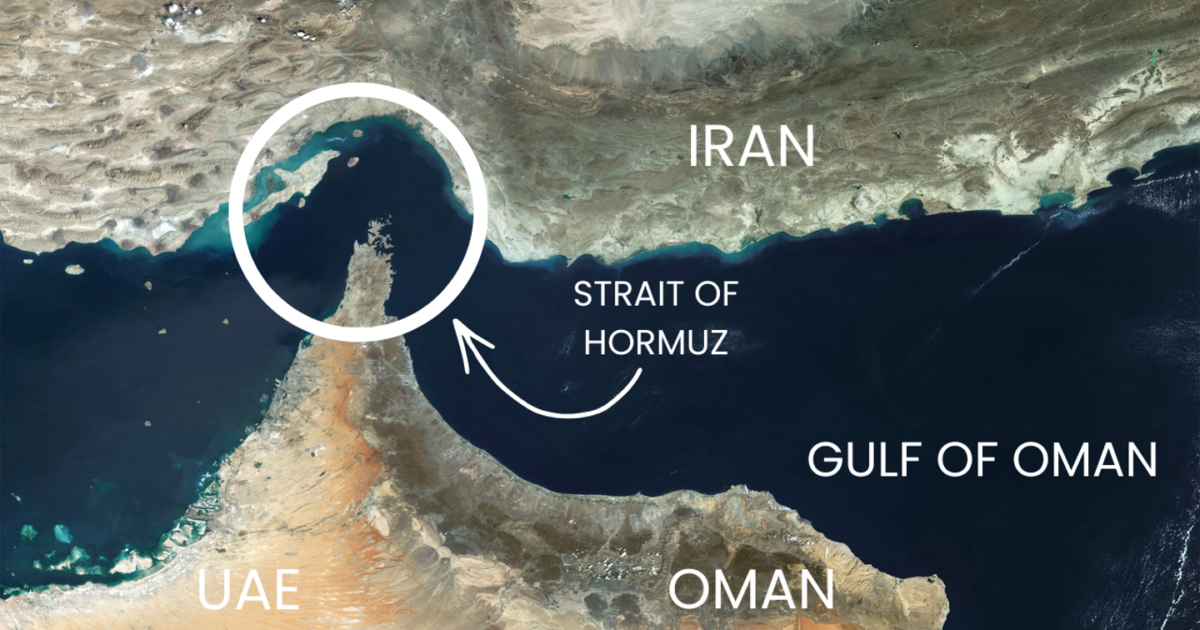
Iran has launched the Persian Gulf Straits Authority, a new organization aimed at regulating maritime traffic in the strategically significant Strait of Hormuz, as reported by Iranian state media.
New Regulations for Shipping in the Strait
The authority’s framework stipulates that vessels wishing to navigate the strait must seek prior approval and follow specific guidance relayed through an official email address. This initiative aligns with Iran’s ongoing efforts to assert its dominance over maritime activities in one of the world’s most vital oil shipping channels, particularly amid escalating regional tensions and a U.S.-led campaign to maintain open access to the waterway.
Impact on Oil Prices Amid Rising Tensions
The announcement comes at a critical time, as oil prices have fluctuated significantly in recent weeks. Prices surged past $114 earlier, only to settle at $109 per barrel following increased hostilities between the U.S. and Iran.
U.S. Military Actions and Regional Security Concerns
This latest price fluctuation follows reports that the U.S. military has destroyed six small Iranian vessels in response to alleged attacks on commercial shipping in the region. Additionally, the United Arab Emirates indicated it had been targeted by Iranian missiles and drones, further aggravating the situation.
Continuing Navigation Risks for Shipping Companies
Despite assurances from U.S. President Donald Trump that the military would “guide” commercial ships through the Strait of Hormuz, shipping companies remain cautious. Two U.S.-flagged commercial vessels successfully navigated the strait shortly after the announcement of Project Freedom. However, significant concerns over safety persist, hampering a broader return to normal maritime operations.
Call for Safety Guarantees in Maritime Navigation
Stephen Cotton, general secretary of the International Transport Workers’ Federation, emphasized that ships should not be expected to traverse the strait without guaranteed safety. Cotton discussed the importance of restoring freedom of navigation in line with international law, stressing the need for a coordinated approach focused on the well-being of seafarers. He noted the ongoing uncertainty surrounding how safety guarantees would be implemented in the current context.
Global Shipping Crisis and the Human Cost
The dire situation continues for thousands of seafarers, with up to 20,000 individuals stranded aboard approximately 2,000 vessels in the Strait of Hormuz, as reported by the International Maritime Organization (IMO). The IMO remarked on the unprecedented scale of this predicament, stressing the impact on workers who have already faced extended periods of anxiety and uncertainty.
UN Emphasizes Importance of Open Navigation
Amid these developments, the United Nations has reiterated its call for the preservation of navigational freedom through the Strait of Hormuz. The organization noted that any closure of the waterway severely hinders the transport of essential goods, including oil, gas, and fertilizers, posing a significant threat to the global economy. Concurrently, Brent crude prices have surged over 50% since the start of the Russia-Ukraine conflict, partly due to anticipated production losses of 14.5 million barrels per day.
