


Cleveland Midterm Elections Highlight Key Dynamics in Ohio Politics
CLEVELAND — Two unmistakable truths define Ohio’s midterm races this year. It’s been two decades since the state last elected a Democrat as governor, and it’s been even longer since a Democrat other than Sherrod Brown successfully sought re-election to any statewide office.
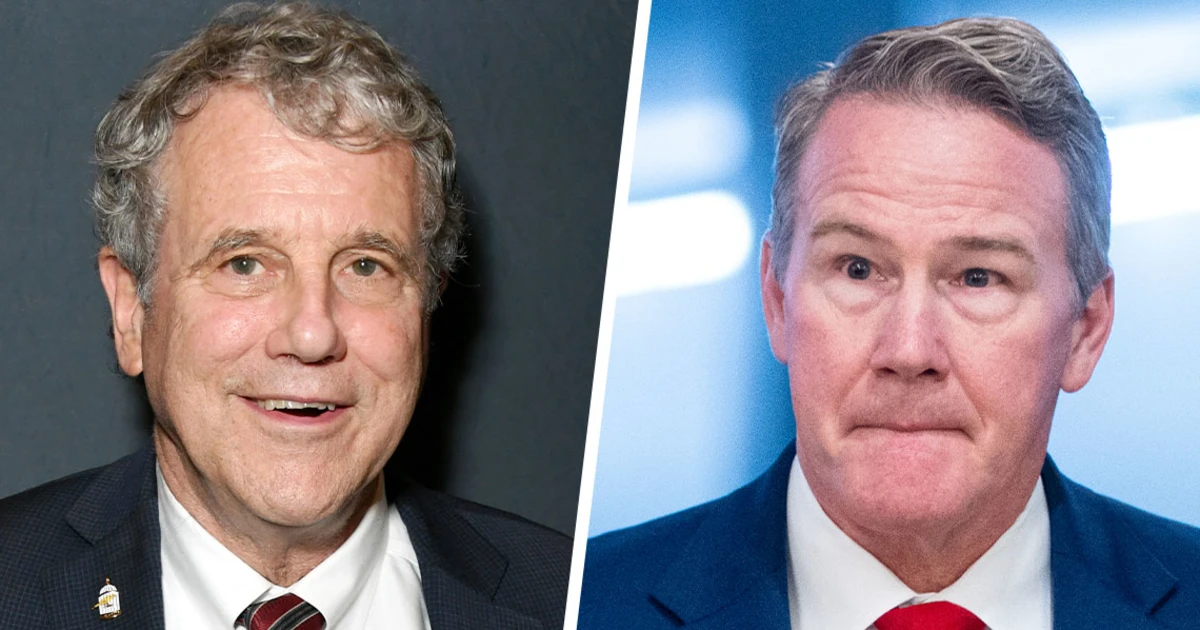
Amid these historical challenges, Democratic leaders are feeling hopeful for 2026. Recent polls place gubernatorial candidate Dr. Amy Acton slightly ahead of Vivek Ramaswamy, the new official nominee from the Republican Party. Democrats also celebrate a significant win with Brown securing the Democratic nomination for the Senate, setting the stage for a matchup against Republican Jon Husted, who is stepping in to replace Vice President J.D. Vance. Early surveys suggest a fiercely competitive race ahead.
“It really feels like Ohio is back,” remarked Kathleen Clyde, chair of the state Democratic Party, highlighting the turbulent years when both parties shied away from previous battleground states, except when Brown was on the ballot.
Ohio Republican Party Chairman Alex Triantafilou acknowledged the pressing challenges facing his party this election cycle. With President Donald Trump’s approval ratings hitting a new low due to mounting economic issues and rising gas prices, the Republican Party’s footing appears tenuous.
Triantafilou expressed a cautious optimism about his party’s prospects: “We recognize that there are challenges in the midterm elections when we are in power. Our goal is to mobilize voters.” He believes that if they succeed in this endeavor, their party can replicate past victories.
Ramaswamy’s Campaign Strategy Amplifies Trump’s Influence
Ramaswamy’s campaign could amplify Trump’s already considerable influence on the gubernatorial race. The two have fostered a close alliance, especially after Ramaswamy suspended his presidential campaign without openly antagonizing Trump.
Hailing from Cincinnati and now residing near Columbus, Ramaswamy returned to Ohio from Washington, where he collaborated with billionaire Elon Musk on cost-cutting initiatives during the Trump administration. Trump’s endorsement was swift, followed closely by the Ohio Republican Party’s backing.
However, Acton was quick to point out that while Trump may not be on the ballot, his policies remain integral to the campaign narrative. “Republican candidates will have to account for the impact of Trump’s tariffs and the costly war in Iran that has driven up fuel prices,” she asserted.
Acton’s political legacy includes her tenure as health director during the COVID-19 pandemic, where she became a prominent figure despite departing from her role in 2020 due to personal threats and public pressure to reinstate pre-pandemic norms.
Campaign Strategies and Political Narratives in Play
Both camps are highlighting key narratives as part of their campaigning strategies. Democrats are criticizing Ramaswamy’s wealth and privilege, illustrating his tendency to travel by private jet. They frequently reference his comments during a New York Times interview, where he labeled “affordability” as merely a “buzzword.”
Ramaswamy’s proposed policies, including sweeping property tax cuts, also draw scrutiny, with Acton’s spokesperson branding her campaign as focused on reducing living costs and tackling corruption in the state legislature.
Despite facing minimal opposition, Acton has leveraged her position effectively, while Ramaswamy’s recent critiques stem from a political novice, Casey Pucci, and lingering skepticism regarding how his background and beliefs will resonate in Ohio.
Competitive Landscape Shaping Senate Races
Parallel to the gubernatorial race, the Senate competition between Brown and Husted has thus far remained subdued. Brown, who suffered a close defeat in a previous race, is re-establishing his presence with a renewed focus, while Husted is carving out his public persona by prioritizing issues like artificial intelligence.
As campaign ads hit the airwaves, both candidates are ramping up efforts to engage voters effectively. Brown’s advertisements highlight Husted’s past associations with controversial figures, while Husted emphasizes his commitment to job creation.
This Senate race is shaping up to be costly, with Brown boasting significantly greater funds as of mid-April. Yet, just as during previous campaigns, outside money is anticipated to play a substantial role in the race’s dynamics.
Within internal memos, Husted’s campaign touted a strategy aimed at uniting a broad coalition that includes MAGA adherents, moderates, and blue-collar voters, while aiming to counter allegations of losing support among labor unions.
