


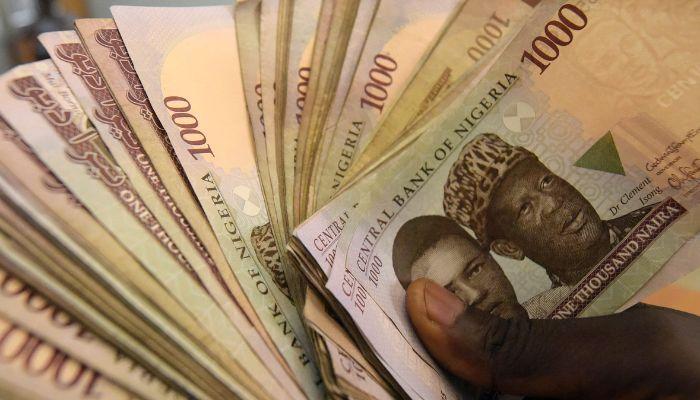
Naira Gains Ground Amid Increased Foreign Exchange Activity
The naira showed resilience in the official foreign exchange (FX) market, with volumes at the Nigerian Foreign Exchange Market (NFEM) rising by 59.2%. On Wednesday, the naira strengthened by 0.7%, trading at 1,357.34 naira per dollar, up from 1,366.56 naira the previous day, according to data from the Central Bank of Nigeria (CBN).
Spike in Market Transactions
Market activity saw a notable uptick, with the number of transactions on Tuesday climbing to 287, marking a 25% increase from 262 on Monday. Furthermore, foreign exchange trading volume surged by 59.22%, reaching $424.6 million, which is a substantial rise of $157.88 million from the previous day’s total of $266.58 million.
Interbank Sector Gains Momentum
The interbank sector experienced significant growth as well. Wednesday’s transaction volume increased by 62.6%, with 161 trades reported compared to 99 on Tuesday. Sales in this sector soared by 120.95%, hitting $158.18 million, up from $71.59 million.
Declining Foreign Exchange Reserves
Despite these positive signs in liquidity, Nigeria’s foreign exchange reserves continued to dwindle, falling to $48.33 billion as of May 5, 2026, as per the latest data from the apex bank. This decline raises concerns about the long-term sustainability of the naira’s current strength.
Parallel Market Trends
On the parallel market, the naira remained stable, trading between 1,395 and 1,400 naira per dollar. This stability has widened the gap between the official and parallel market rates to approximately 43 naira per dollar, highlighting disparities that continue to affect exchange dynamics.
FMDA Report Highlights Improved Liquidity
A recent report by the Financial Markets Dealers Association (FMDA) noted that the naira appreciated in both formal and informal markets in April, driven by enhanced exchange liquidity. The total turnover in Nigeria’s foreign exchange market for that month reached $8.51 billion, indicating a robust trading environment.
External Factors Influence Exchange Rates
The report emphasized that movements in exchange rates were more influenced by global financial conditions and capital flows than by oil price fluctuations. Increased oil production in March, alongside rising capital inflows, has also played a role in bolstering the currency’s performance.
Future Outlook for the Naira
Looking ahead, the FMDA has cautioned that the naira might encounter some pressure due to substantial open market operations involving maturing securities, particularly those exceeding N7 trillion. However, expected capital inflows from autonomous sources may serve as a buffer against any potential volatility.
