


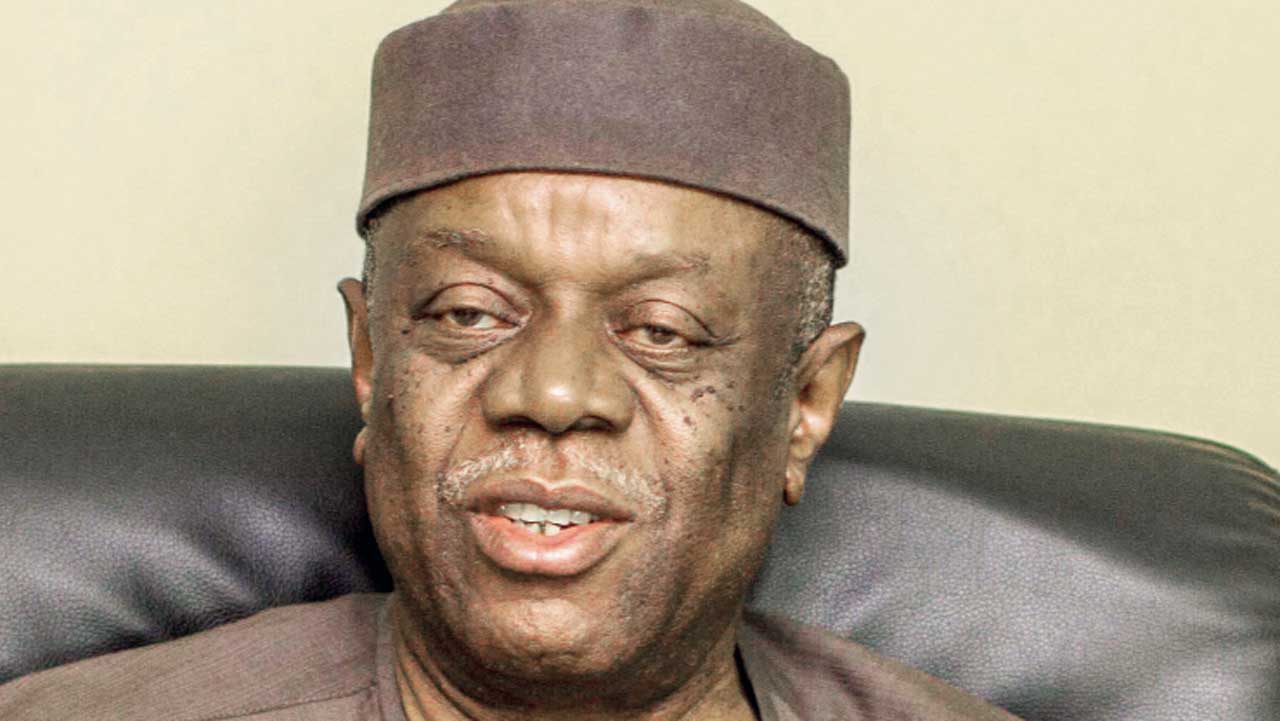
Remembering Idongesit Nkanga: A Trailblazer in Nigerian Leadership
Last year, retired Air Force General Idongesit Nkanga reached out to invite me to review his biography, set to be released on January 27, 2021, coinciding with what would have been his 69th birthday. Penned by Prince Will Ison Daniel, the book charts Nkanga’s journey from military service to national prominence in both air force and political roles. Unfortunately, Nkanga passed away just 34 days before his birthday, preventing me from fulfilling the honor of reviewing his life story. Nkanga served as the first indigenous governor of Akwa Ibom State from September 5, 1990, to January 2, 1992, succeeding two non-indigenous military governors, Colonel Tunde Ogbeha and Colonel Godwin Abbe. The decision behind the military’s choice of Nkanga as a local leader remains unclear, given the tradition of appointing governors from outside the state.
The Complexities of Indigenous Governance
This governance policy carried both advantages and disadvantages. On one hand, indigenous governors have a greater understanding of local issues, leading to more engaged leadership. On the other hand, this approach risks fostering tribalism and enabling ethnic biases. Nkanga faced his own struggles with these prejudices, which culminated in efforts to limit broadcasting in all native languages but Ibibio, the language of his own ethnic group. This decision created significant tensions within Akwa Ibom State.
The Personal Impact of Ethnic Divisions
As someone married to an Ibibio woman and hailing from the Annang tribe, I found myself torn. Would my inter-tribal marriage lead to questions about cultural inferiority? What implications lay for my children, who embody this rich blend of cultures? My own philosophy prioritizes diversity, and I believe that inclusivity enhances communities rather than diminishes them.
Language as a Bridge, Not a Barrier
In today’s global landscape, language should not be a divisive issue. The recent appointments of four prominent Nigerians by U.S. President Joe Biden reflect this idea: differences should unite rather than divide. Throughout my 37 years in various journalistic roles, I have collaborated with colleagues from different regions, including Dan Agbese from Benue and Yakubu Mohammed from Kogi. While we do not share a common native language, our shared values and mutual respect foster strong bonds that transcend ethnic boundaries.
Advocating for Linguistic Inclusivity
During my tenure as editor-in-chief of Newswatch, I confronted the language policy limiting broadcasting options. When I questioned Vice President Augustus Ayhom, he argued for the benefits of multilingual communication to reach broader audiences. His commitment to diversifying language use eventually resulted in policy changes, easing tensions in the state and allowing Nkanga to regain focus on governance. His tenure saw significant infrastructural achievements, including the construction of ten three-story buildings, now recognized as the Idongesit Nkanga Secretariat.
A Leader Defined by Humility
Nkanga’s leadership style blended quiet authority with approachability. He was not one to demand attention, yet those who worked with him recognized his exceptional organizational skills and dedication. I recall a moment years ago when both he and former Cross River State Governor Clement Every visited me in Lagos. Every urged us to reconcile perceived issues between us stemming from language. For me, the resolution was straightforward; human relationships matter more than cultural differences.
Legacy of Service and Vision
Accepting the reality of Nigeria’s diverse ethnic landscape is crucial for fostering unity—a challenge President Buhari has not yet addressed effectively. Nkanga’s ascent to the role of military governor is a story of merit trumping tribal bias, facilitated by the timely intervention of Air Marshal Nshikaku Eduoku. Known for his discipline and excellence, Nkanga was later tasked with leading the Presidential Air Fleet and remained influential in Nigerian politics, notably as a kingmaker with the Peoples Democratic Party. His strategic thinking and organizational prowess were instrumental in guiding successful gubernatorial campaigns for notable political figures in Akwa Ibom State.
Advancing Regional Development in Akwa Ibom State
Nkanga’s contributions extended to the aviation sector, particularly with Ibom Air. His leadership was pivotal in navigating the complexities of establishing a government airline, ultimately guiding it to success without significant obstacles. Remarkably, Nkanga’s humility and straightforward demeanor set him apart in Nigeria’s often extravagant political arena. His legacy is one of service, integrity, and an unwavering commitment to the people of Akwa Ibom State, qualities that are increasingly difficult to find in today’s leadership landscape. May his soul find eternal peace.
