


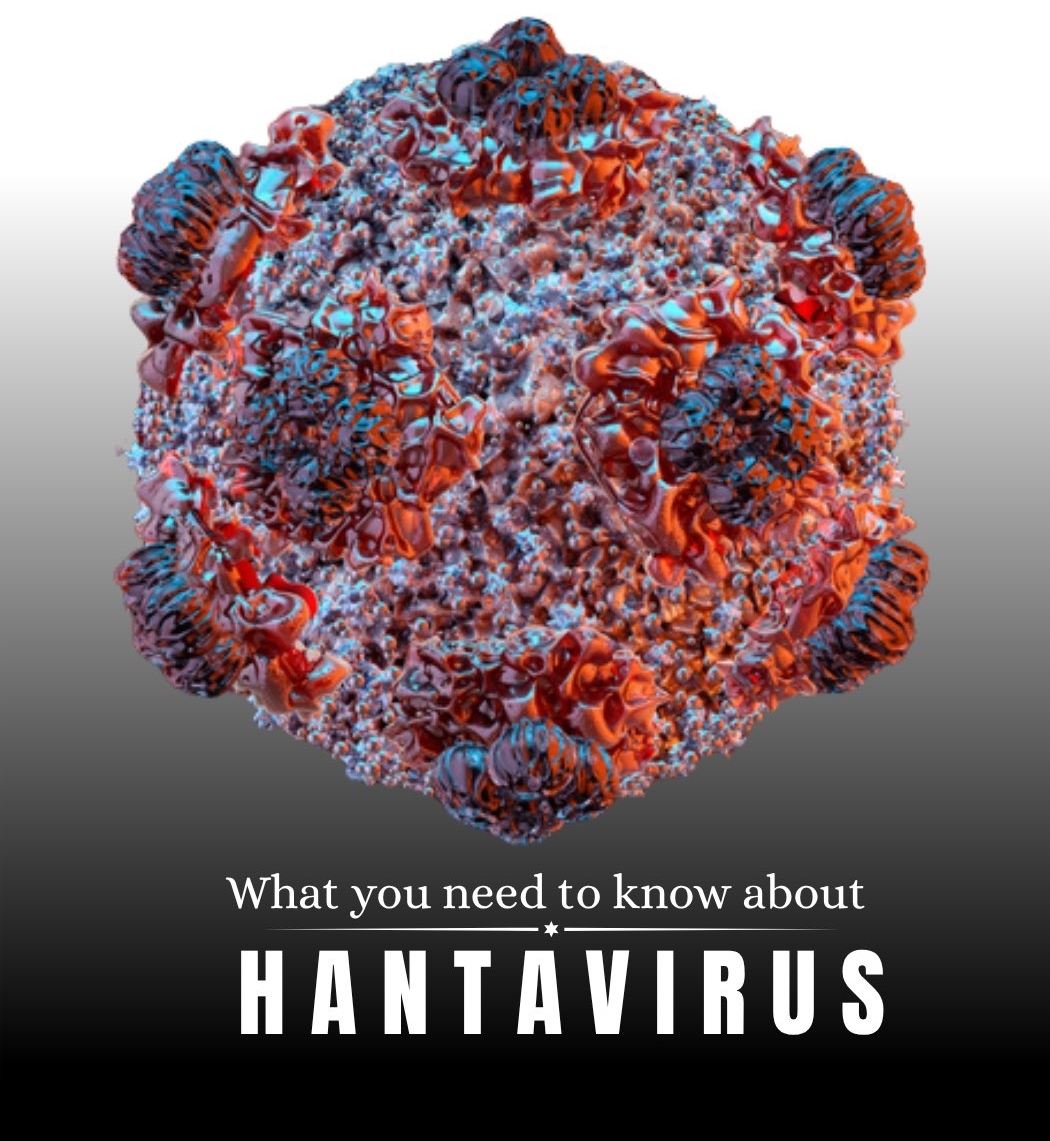
Outbreak of Hantavirus Confirmed on Cruise Ship Heading to Canary Islands
The World Health Organization (WHO) has confirmed five cases of hantavirus and three associated deaths in an outbreak linked to a cruise ship currently en route to the Canary Islands. The ship is expected to dock by the end of the week.
During a press conference on May 7, 2026, WHO Director-General Tedros Ghebreyesus urged the public to remain calm and avoid unnecessary panic. He emphasized that while heightened vigilance by nations is commendable, the risk to the general population remains low.
Health experts highlighted the importance of early detection, robust surveillance, contact tracing, and effective information sharing among health organizations and governments as vital measures to control the spread of the virus.
Maria van Kerkhove, WHO’s director of emerging and zoonotic diseases, revealed that the remains of the deceased individuals remain on the ship. She noted that efforts are underway to communicate with their families while preserving their dignity.
The U.S. Centers for Disease Control and Prevention (CDC) is also playing a pivotal role, providing technical support in areas such as disease surveillance and contact tracing. Ghebreyesus acknowledged the effectiveness of the CDC’s involvement, particularly given the presence of American citizens on board the cruise ship.
Additionally, he called for global cooperation among nations and agencies to bolster containment strategies, stating, “The greatest immunity we have is global solidarity. If a vacuum is created or the ends are not closed, disease can spread.”
This outbreak was initially reported to WHO on May 2, 2026, involving a cluster of cases among passengers aboard a cruise ship traveling from Argentina to Cape Verde, which has a total of 150 passengers and crew. As of May 4, there were seven confirmed cases, including two lab-confirmed and five suspected, resulting in three fatalities.
Symptoms among affected individuals began between April 6 and April 28 and ranged from fever and gastrointestinal issues to rapid progression to pneumonia, acute respiratory distress syndrome, and shock. The response to this outbreak includes an internationally coordinated approach involving case isolation, medical evacuations, laboratory investigations, and thorough epidemiological evaluations.
Hantavirus infections are primarily transmitted through contact with the urine, feces, or saliva of infected rodents. Although rare, it can be a fatal disease. Limited person-to-person transmission has been observed in past outbreaks involving Andesvirus, a specific strain of hantavirus. Currently, the WHO assesses the global risk as low and continues to monitor the situation, revising its risk assessment as new information emerges.
