


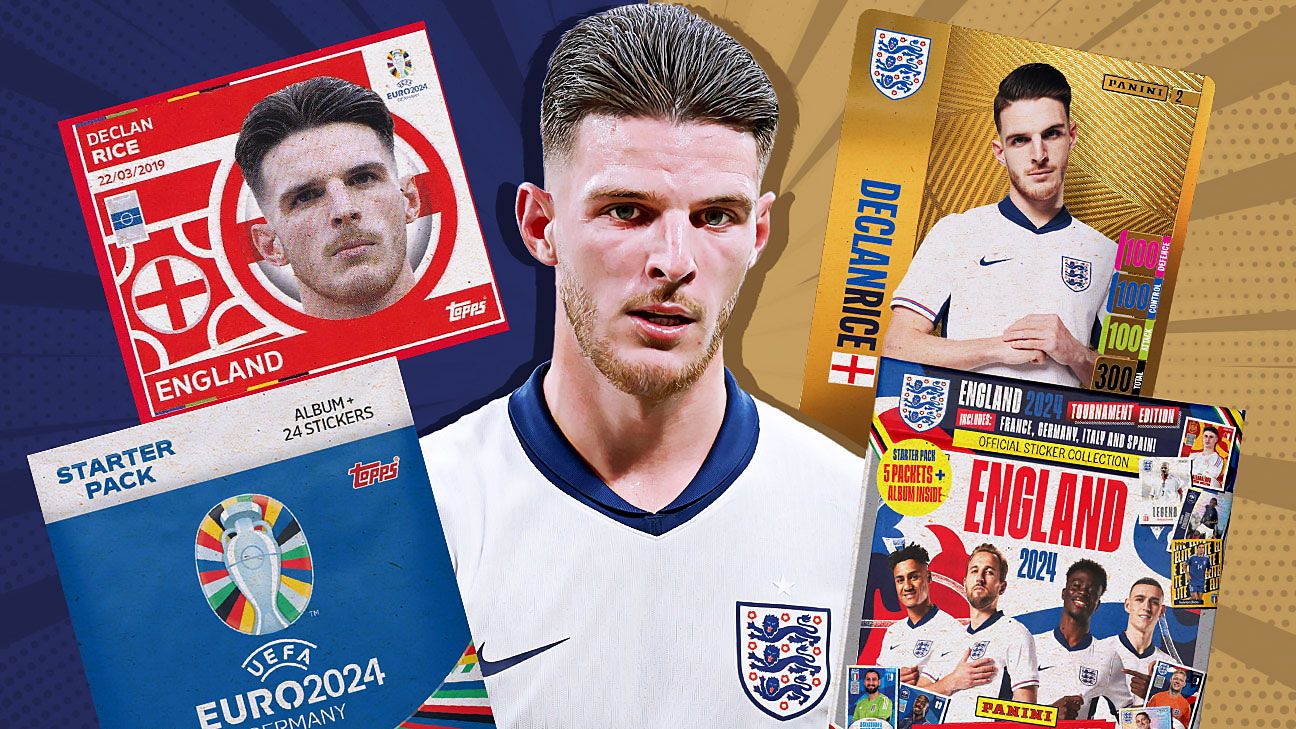
FIFA and Fanatics have entered into a long-term exclusive licensing agreement that permits Topps, Inc., a subsidiary of Fanatics, to manufacture trading cards, stickers, and trading card games for the World Cup and other FIFA events commencing in 2031.
While the financial specifics of the deal remain undisclosed, sources indicate that the agreement will cover multiple World Cup cycles, enhancing the long-term partnership between the organizations.
FIFA President Gianni Infantino highlighted the significance of this collaboration, stating that Fanatics is revolutionizing the collectibles sector, offering fans innovative ways to connect with their favorite teams and athletes. He further noted that FIFA’s diverse range of tournaments enables the organization to broaden fan engagement globally, presenting a new, substantial revenue source that can be reinvested into the sport.
Transitioning to a New Era of Collectibles
The agreement marks the conclusion of Panini’s longstanding license for FIFA World Cup stickers, which had been in place since 1970, with the exception of the 1994 World Cup in the United States. This change follows Topps’ prior success in replacing Panini as UEFA’s exclusive provider for trading cards, stickers, and merchandise related to various tournaments, including the Men’s Euros and Women’s Euros.
Fanatics founder and CEO Michael Rubin emphasized the importance of this deal, calling it the most significant opportunity for the company to scale its operations. The partnership is rooted in a dinner conversation he had with FIFA officials five years ago, where initial ideas about future collaborations were discussed. Rubin expressed confidence that Fanatics had since demonstrated its capabilities and established itself as a worthy partner for FIFA.
A standout feature of the collectible offerings will be the Debut Patch program, which was introduced by Major League Baseball and set to debut for the upcoming World Cup. This program will include unique patches worn by players, enhancing the collectible experience. Rubin noted that historical patches from prior seasons will also be integrated into Fanatics’ trading cards.
Recently, Fanatics secured exclusive licensing rights to produce trading cards and sticker books for national teams in several countries, including Brazil and England. Additionally, an immediate agreement was struck to produce collectibles for Argentina’s national teams. These moves, which also involve signing prominent figures like David Beckham to exclusive contracts, reflect Fanatics’ rapid expansion in the global collectibles market.
Financial Prospects Amidst Legal Turmoil
As the collectibles market continues to grow, with Fanatics citing an increase from $15 million to over $200 million in revenue, projections indicate that the company’s collectibles revenue could near $5 billion by 2026, contributing to an anticipated total revenue of $14 billion. Despite the robust growth, approximately 85% of Fanatics’ business remains U.S.-focused, although it has begun to make strides internationally, including a flagship store in London.
Fanatics will also allocate over $150 million in collectibles to be distributed for free globally throughout the partnership. In addition, the company has been chosen as the official venue retail licensee for the 2026 World Cup, overseeing retail operations at matches held across the United States, Canada, and Mexico.
Meanwhile, Panini’s position in the collectibles industry appears increasingly precarious. The company is currently entangled in a legal dispute with Fanatics, accusing its rival of anti-competitive practices in an effort to dominate the sports card market. This litigation follows Panini’s history of exclusive licensing with major leagues such as the NBA and NFL.
With future rights slipping away, Panini’s strategic options are being evaluated, including potential sale or public offering, as they seek to navigate a tumultuous financial landscape. The company’s valuation stands at approximately $5.8 billion, with shareholders expected to make pivotal decisions regarding outside investments by year’s end.
