


Springdale Mayor Reflects on City’s Transformative History
SPRINGDALE — Mayor Doug Sprouse of Springdale reveals an unsettling narrative from the city’s past involving signs allegedly warning Black individuals against entering after dark. Yet, he emphasizes a lack of evidence supporting this story. “Growing up in that era, I wouldn’t be surprised if there were any signs. I know there were neighborhoods that had covenants that didn’t allow Black people to live there,” Sprouse explained.
According to the mayor, Springdale has successfully left behind its history as a “sunset city.” He expresses pride in how the community has embraced growth and the changes that accompany it, considering these developments highly beneficial for the city.
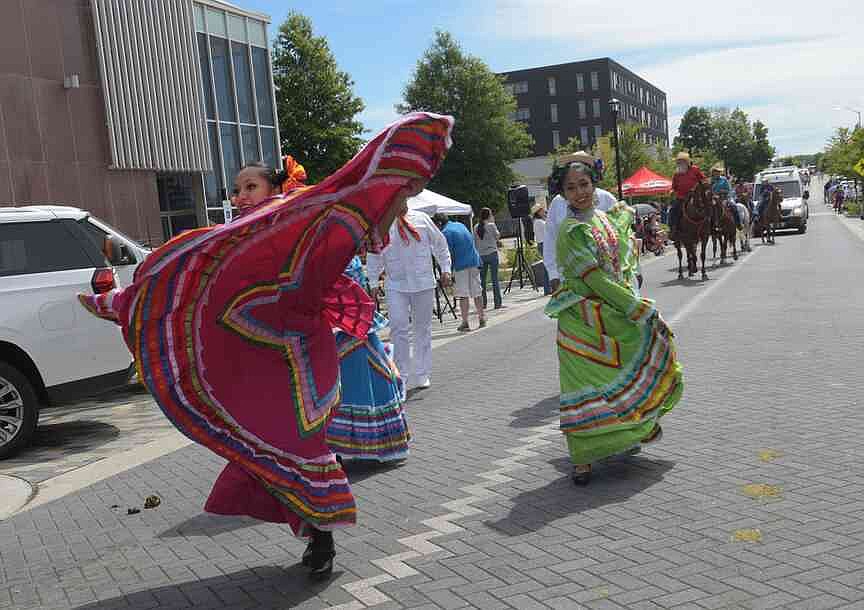
With a population of 90,000, over 40% of Springdale’s residents are now Hispanic, marking significant demographic shifts that began in the 1990s. “Schools have been on the front lines of this issue, addressing the challenges posed by rapidly growing student populations and non-English language learners,” Sprouse noted. He has firsthand experience serving on the school board from 1999 to 2008.
Springdale’s educational institutions have been recognized as exemplary models for accommodating a dynamic student body, including many non-English-speaking families. Educators from across the nation have visited these schools to learn how the district has adapted to changing demographics. Currently, students in Springdale hail from countries where over 70 languages are spoken.
In response to evolving demographic realities, the city government has also increased its engagement with minority communities, focusing on Hispanic and Marshallese populations to facilitate better access to information and services for non-native English speakers. This approach seeks to bridge communication gaps and better serve the growing multicultural community.
Historian Rachel Whittaker from the Shiloh Ozark History Museum provides insight into the historical tapestry of immigration in the region. White settlers began moving into the Ozark area in the 1830s after displacing Native American tribes. The influx continued with German immigrants in the 1840s, many of whom fled political turmoil in their homelands.
Following the turmoil of the Civil War, which led to significant abandonment in the region, the arrival of the railroad brought renewed economic prospects and a steady influx of Black workers. As agricultural production surged, the need for labor also grew, leading to an influx of workers from diverse backgrounds, including poorer white settlers, Black individuals, and Native Americans.
The establishment of Tontitown in 1898 by Italian immigrants marked a notable milestone in the area’s immigrant history. However, as Whittaker notes, these workers initially struggled for acceptance within the community. The local economy transitioned from agriculture to large-scale poultry production during the 1930s and ’40s, which subsequently attracted a wave of Marshallese and Hispanic immigrants looking for employment opportunities. Today, Springdale’s vibrant community includes over 12,000 Marshallese residents, a testament to the ongoing evolution shaped by immigration policies and historical circumstances.
