


Nigerian Electricity Supply Industry Faces Complex Challenges
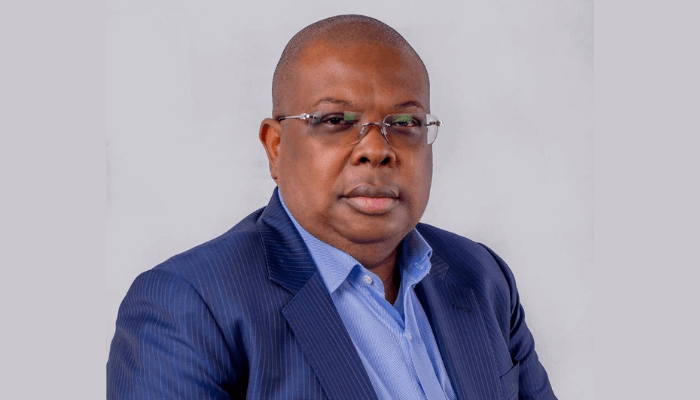
The issues plaguing the Nigerian Electricity Supply Industry (NESI) do not have straightforward solutions. As President Bola Ahmed Tinubu prepares to take the oath of office this week, newly appointed Minister of Power, Joseph Olasukanmi Tegbe, should approach these challenges with caution. Tegbe, a distinguished civil engineering graduate and a seasoned consultant, previously held prominent positions, including senior partner and head of advisory at KPMG Africa, and served as Executive Director and International Liaison at the Nigeria-China Strategic Partnership Office.
Controversy Surrounds Minister’s Promises
His commitment to improve the country’s power grid within 100 days has sparked debate even before he formally assumed his role. During his Senate confirmation, Tegbe emphasized the need for “measurable improvement,” urging accountability from Nigerians. While he did not promise to “fix” the grid within three months, he committed to providing tangible advancements in the power sector within that time frame. Nevertheless, the expectations set by Tegbe may be optimistic given the sector’s long-standing gridlock.
Pressure and Expectations Ahead of Confirmation
Tegbe’s Senate confirmation process appeared more of a formality than a rigorous evaluation, given the absence of major hurdles. The political landscape showed little indication that his appointment would face rejection. As such, he needed to navigate the technical and administrative challenges that have long afflicted the sector without making overly specific commitments. Stakeholder consultations and a well-crafted plan are critical for addressing the myriad issues facing Nigeria’s power system.
Understanding the Underlying Issues
The complexities within Nigeria’s power sector are deeply rooted in governance, technical shortcomings, and political dynamics. Tegbe must recognize historical precedents, such as the timeframe of former Minister Bola Ige, whose ambitious timeline for sector improvement fell prey to internal and external vested interests. Although Nigeria has seen some degree of privatization, government ownership still dominates the electricity sector, exacerbating its ongoing challenges.
Lessons from Predecessors and Historical Context
High hopes surrounded the previous Minister of Power, Adebayo Adelabu, upon his reappointment in August 2023, given his exemplary background and commitment to reform. Yet, the disparity in generation statistics from his tenure raises questions about effectiveness despite substantial investments and policy initiatives. The systemic issues within the power sector endure, suggesting that the upcoming government must cultivate the political will to address these long-standing challenges.
The Path Forward for the New Minister
While Tegbe’s civil engineering background equips him with valuable technical skills, the task ahead poses significant hurdles. He shares a commonality with Adelabu, hailing from Oyo State, and might benefit from insights gained during his predecessor’s term. Engaging with successful figures in the sector, such as Professor Basu Nnaji, founder of the Geometric Power Station, could yield strategic guidance for Tegbe’s tenure.
The Need for Comprehensive Reform
Managing Nigeria’s power sector demands more than mere technical expertise; it necessitates a strategic overhaul. As Nigeria grapples with ongoing power supply constraints, particularly amid rising demands from the digital era, the case for privatization becomes increasingly clear. Privatizing the electricity sector, including the national grid, offers a viable framework for long-term improvement. Though it is not a singular solution, the approach can lay the groundwork for meaningful progress by facilitating greater accountability and innovation in the sector.
Mr. Igbinova is the Team Leader/CEO of ProServe Options Consulting in Lagos.
