


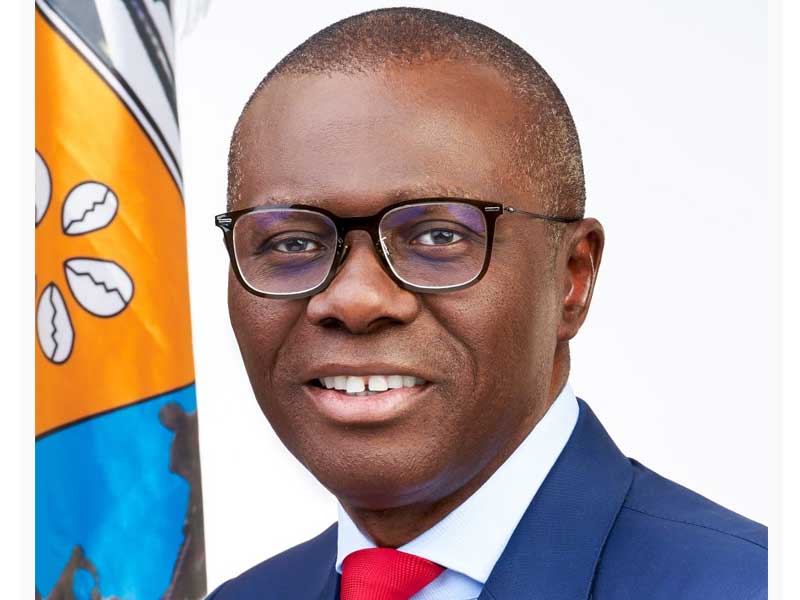
Relief Package for Workers Reflects Government Empathy
Amid economic uncertainty, soaring inflation, and the daily pressures that families face, today’s leadership is increasingly evaluated not solely on infrastructure projects and policy promises but also on their empathy and ability to connect with the lived experiences of citizens. In this context, Governor Babajide Olusola Sanwo-Olu of Lagos State is carving a distinctive path marked by a people-centric governance approach.
His recently approved relief package of ₦50,000 for May, directed at workers throughout Lagos, transcends mere economic assistance. It represents a compassionate leadership style that acknowledges the sacrifices made by workers and affirms that governments must be attuned to the challenges faced by ordinary citizens.
As inflation, transportation costs, energy price hikes, and rising living expenses weigh heavily on many Nigerians, the Lagos State Government’s initiative stands out as a humane and pragmatic response to these pressing issues. This underscores a leadership that recognizes the importance of real lives—teachers, nurses, artisans, civil servants, transport workers, and others—whose daily contributions drive the economy of Lagos.
Announced during the Labor Day celebrations at the Mobolaj Johnson Arena, the relief package held immense symbolic and emotional significance. Those who gathered under the theme “Insecurity, Poverty – The Troubles of Decent Work” were met with tangible commitments from the government, assuring them that their voices would be heard and their needs addressed.
In conveying the message on behalf of Deputy Governor Obafemi Hamzat, Governor Sanwo-Olu highlighted the reality of the current economic climate, emphasizing that governments have a duty to respond with relevant support mechanisms. Amidst numerous political settings where leaders often seem disconnected from their constituents’ struggles, Sanwo-Olu’s initiative illustrates an administration striving to bridge the gap between policy and the human experience.
This relief package applies uniformly across all grades, reinforcing the idea that every worker plays a vital role in Lagos’ ongoing success. Lagos stands as Nigeria’s economic heart not only due to its impressive infrastructure and dynamic commercial activity but also because of the unwavering commitment displayed by its workforce. From teachers extending their hours to foster learning to sanitation workers maintaining cleanliness in the bustling metropolis, these individuals form the backbone of this vibrant city.
Governor Sanwo-Olu encapsulated this perspective by stating that “Lagos is great because of you,” a sentiment that reflects a leadership style anchored in inclusion and appreciation. His approach indicates a broader understanding of governance as a social contract. Workers are more than mere numbers; they are valuable stakeholders in the community’s development. Thus, governments must create an environment that fosters dignity, motivation, and well-being alongside encouraging productivity, making the governor’s initiative even more significant.
While the relief package of ₦50,000 cannot eradicate all the economic hardships facing workers, it serves as a reassuring reminder that the government is attuned to their difficulties. During challenging times, empathy transforms into a powerful policy tool. Citizens seek confirmation that their leaders recognize their struggles and are committed to alleviating their burdens.
Over the years, the Sanwo-Olu administration has consistently strived to embody consultative and compassionate governance. Initiatives across multiple sectors—from transportation reforms to healthcare services and social assistance—demonstrate a commitment to integrating infrastructure development with social needs.
The governor also committed to sustained dialogue with organized labor, reinforcing that industrial peace is fostered through discussion, respect, and ongoing communication. Amid rising economic pressures and worker welfare concerns, Lagos has maintained relative labor stability, thanks in part to deliberate efforts to keep communication open.
Moreover, the governor connected worker welfare directly to safety, noting that productivity thrives in secure environments. Investments in surveillance systems, security infrastructure, and community policing serve to create a climate where both residents and workers can confidently pursue their livelihoods.
Ultimately, responsive governance extends beyond fiscal relief. It encompasses the creation of spaces where people can work, live, and raise their families with dignity. As Lagos grapples with complex governance challenges resulting from its massive population and urban demands, the Sanwo-Olu administration continues to pursue integrated approaches to transport, housing, healthcare, urban renewal, and social welfare.
Sanwo-Olu’s focus on completing ongoing projects before the end of his term amplifies a leadership culture that prioritizes tangible results over mere rhetoric. In a political landscape often characterized by unfulfilled promises, his commitment to measuring success through completed projects and ongoing reforms reflects a sense of accountability crucial for a city with such high public expectations.
As Africa’s largest urban economy, Lagos requires a leadership style that balances ambition with empathy, growth with inclusion, and innovation with social responsibility. Governor Sanwo-Olu’s recent actions illustrate a conscious effort to achieve that balance.
The significance of the Workers’ Day announcement extends beyond immediate financial aid; it enhances morale and fosters a sense of confidence in governance. Employees who feel valued are generally more motivated and productive. Similarly, citizens who perceive that the government actively cares about their welfare are likely to trust public institutions more deeply.
In an era where empathy is becoming a hallmark of effective governance, people increasingly expect their leaders to possess both competence and compassion. While infrastructure and economic reform remain vital, recognizing the human impact of policy decisions is equally important.
The relief package may appear modest against the backdrop of Lagos’ economic complexities, yet it carries meaningful symbolic weight. It showcases a governor attuned to the realities faced by workers and willing to take action to provide relief within his means.
Governance surpasses mere infrastructure and budgets; it encompasses the aspirations, fears, and challenges of the people. Leaders cognizant of these truths often leave behind a more enduring legacy.
Through the approval of this relief package and a renewed commitment to worker welfare, Governor Babajide Sanwo-Olu exemplifies that effective governance is equally rooted in empathetic leadership.
Martins writes from Lagos
