


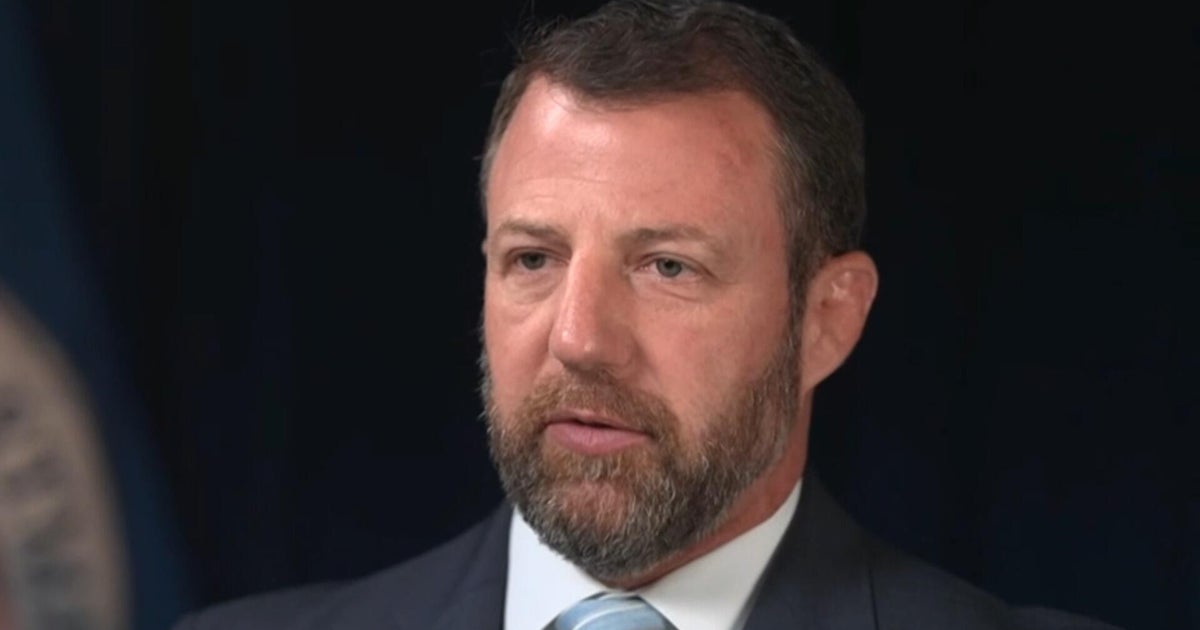
Homeland Security Secretary Addresses ICE Role at FIFA World Cup
Mark Wayne Mullin, the Secretary of Homeland Security, informed CBS News that he does not foresee Immigration and Customs Enforcement (ICE) making arrests during this summer’s FIFA World Cup in the United States. He emphasized that the department’s presence at global sporting events is not intended for the purpose of detaining non-citizens.
Since his tenure began nearly two months ago, the Department of Homeland Security (DHS) has faced considerable challenges, including the longest government shutdown in its history, the resignation of former Director Kristi Noem, and ongoing debates over the previous administration’s immigration policies. The department is currently navigating a hectic period, coinciding with the World Cup, hurricane season, and recent hantavirus outbreaks linked to cruise ships.
DHS and its divisions, including ICE, will be instrumental in ensuring security at the World Cup, which is expected to attract over one million international visitors across 11 U.S. cities. When asked to assure the American public that ICE’s focus during the event would be security rather than immigration enforcement, Mullin reiterated the agency’s wider mission, which includes upholding U.S. customs laws.
“It’s Immigration and Customs Enforcement,” Mullin pointed out. “What do we see at many major sporting events? Issues related to counterfeit goods, imitation tickets, and even fake merchandise sold in the streets.” He noted that ICE has historically been involved in major sporting events, such as the Super Bowl, but now faces increased scrutiny due to media portrayals. He attributed this shift to negative perceptions created by public narratives, particularly from specific political groups.
Mullin also acknowledged that law enforcement may sometimes encounter individuals with outstanding criminal warrants at large events, including those implicated in serious offenses like murder and drug trafficking, or flagged internationally through INTERPOL. “While our primary goal isn’t immigration control, we remain vigilant for individuals on terrorist watch lists,” he stated.
Looking ahead, ICE is set to be temporarily overseen by Acting Commissioner Todd Lyons until the department appoints a permanent director. David Venturella, an experienced immigration official previously with the GEO Group, will lead ICE during this transition. Mullin expressed a desire for consistent leadership within the agency, clarifying that while Venturella would handle the operations, the search for a long-term replacement continues.
Marin Discusses Implications of DHS Shutdown
Recent revelations indicate that the DHS was grappling with the aftermath of a 76-day government shutdown, the longest in U.S. history, resulting from Congressional disagreements over immigration reforms. Key components of DHS, excluding ICE and Border Patrol, received funding extensions through September, as Congressional Republicans seek separate appropriations amidst ongoing political tensions.
The shutdown placed immense strain on DHS operations, with reports of Transportation Security Administration (TSA) personnel walking off jobs due to unpaid wages and furloughs. Mullin stressed that while DHS continues to serve the public, ongoing funding issues compromise morale and potentially jeopardize national security.
As operations normalize, Mullin noted the pressing need for strategic prioritization of department missions due to resource limitations. The agency’s cybersecurity workforce has already shrunk significantly, and Mullin highlighted the critical role of TSA in safeguarding infrastructure beyond airports, which includes venues for the upcoming World Cup.
Hantavirus Precautions Amid Ongoing Global Health Concerns
Mullin assured the public that DHS is receiving regular updates regarding hantavirus outbreaks, notably an incident linked to a cruise ship and coordinating responses with health officials and the White House. He emphasized the importance of distinguishing this virus from COVID-19, reaffirming that it poses a different threat level and should not incite panic among citizens.
Preparedness for Hurricane Season
As hurricane season approaches, Mullin reassured state leaders that FEMA remains engaged and ready to assist. He acknowledged previous efforts aimed at shrinking FEMA and shifting disaster response responsibilities more toward state governments but indicated that effective emergency management relies on collaboration.
“Most governors recognize that disaster response is a shared effort,” Mullin noted, highlighting constructive dialogues with state officials. He endorsed Florida’s proactive disaster management strategies and conveyed confidence that other states could adopt similar practices.
In his closing remarks, Mullin underscored that the federal government cannot address every state’s disaster-related challenges alone. “If you expect the government to solve all your problems, you might be disappointed. We are here to help, particularly in your worst moments,” he concluded.
