


Significant Counterterrorism Achievement in the Lake Chad Region
The recent killing of Abbilal al-Manouki, a senior commander of the Islamic State and recognized internationally as ISIS’ second-in-command, represents a noteworthy counterterrorism achievement for joint U.S. and Nigerian forces in the Lake Chad conflict. This operation not only eliminates a key extremist figure but also marks a pivotal moment in the struggle against the Islamic State West Africa Province (ISWAP) and associated jihadist networks operating across Nigeria and the Sahel region.
Strategic and Tactical Changes in the Fight Against Extremism
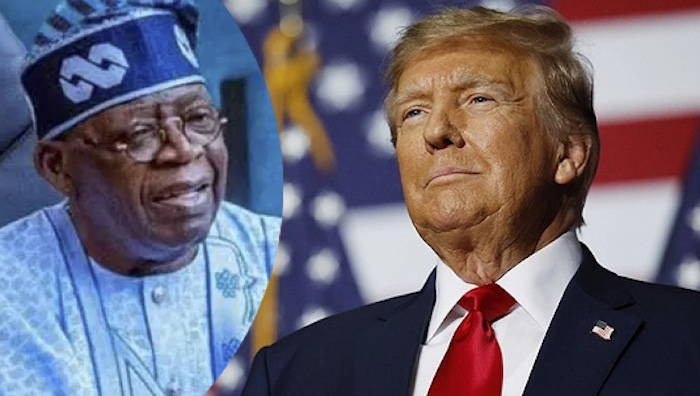
A statement from President Donald Trump confirmed that the U.S. military executed the operation in collaboration with Nigerian forces, detailing it as a “very complex mission that was carefully planned.” This successful operation showcases a rare but significant level of intelligence cooperation, operational coordination, and surveillance capabilities between Nigeria and the United States in counterterrorism efforts.
Al-Manouki’s Role in ISWAP’s Evolution
However, al-Manouki was not just an ordinary field commander; his arrival in the region with around 60 foreign fighters significantly altered the operational landscape of ISWAP. According to intelligence sources, these fighters, many of whom possessed combat experience from conflicts in the Middle East, introduced a new phase of warfare that increasingly adapted tactics used by ISIS.
Innovative Tactics Transforming the Insurgency
Under al-Manouki’s influence, ISWAP’s operations evolved dramatically. The group began executing coordinated nighttime attacks, utilizing mobile assault teams, deploying armed drones for both surveillance and offensive measures, and employing more sophisticated improvised explosive devices (IEDs). This marked a shift from the previously localized and predictable nature of insurgent attacks in northeastern Nigeria, as ISWAP began employing tactics reminiscent of those seen in Iraq and Syria.
Implications of Al-Manouki’s Death
The assassination of al-Manouki carries significant implications for ISWAP’s command structure and operational effectiveness. The group’s strength has historically stemmed not only from its fighters but also from a complex network overseeing logistics, recruitment, funding, and propaganda. The removal of a senior coordinator like al-Manouki may lead to confusion and mistrust within the ranks, potentially disrupting strategic operations. Furthermore, the successful targeting of such a high-profile figure indicates advancements in intelligence-gathering capabilities, suggesting that previously secure networks may be vulnerable.
Broader Concerns About Jihadist Activity in West Africa
The ongoing turmoil in Mali, Burkina Faso, and Niger has turned the Sahel into a highly active jihadist region, prompting external governments to view the situation as a transnational threat rather than just a local security challenge. While the loss of al-Manouki is significant, it does not equate to ISWAP’s defeat. The group has survived previous leadership upheavals, military pressures, and territorial challenges, driven by deeper socio-economic issues such as poverty and unemployment.
A Potential Shift in Counterterrorism Strategy
Despite these challenges, the elimination of a globally connected strategist like al-Manouki could momentarily hinder ISWAP’s tactical advancements. This event also serves as a psychological blow to ISWAP commanders, emphasizing the vulnerability of their leadership. For the Nigerian military, it represents a much-needed morale boost and validation of their counterterrorism efforts. For civilians in the northeast, it brings cautious optimism regarding the diminishing influence of extremist leadership.
Moving forward, Nigeria’s counterterrorism approach could transition from a prolonged war of attrition to one focused on precision targeting of high-value extremist figures. The long-term effectiveness of this operation will depend on sustained intelligence efforts, enhanced regional cooperation, and community recovery initiatives, which will ultimately dictate whether al-Manouki’s death becomes a mere symbolic victory or a catalyst for ISWAP’s strategic decline in the Lake Chad Basin.
