


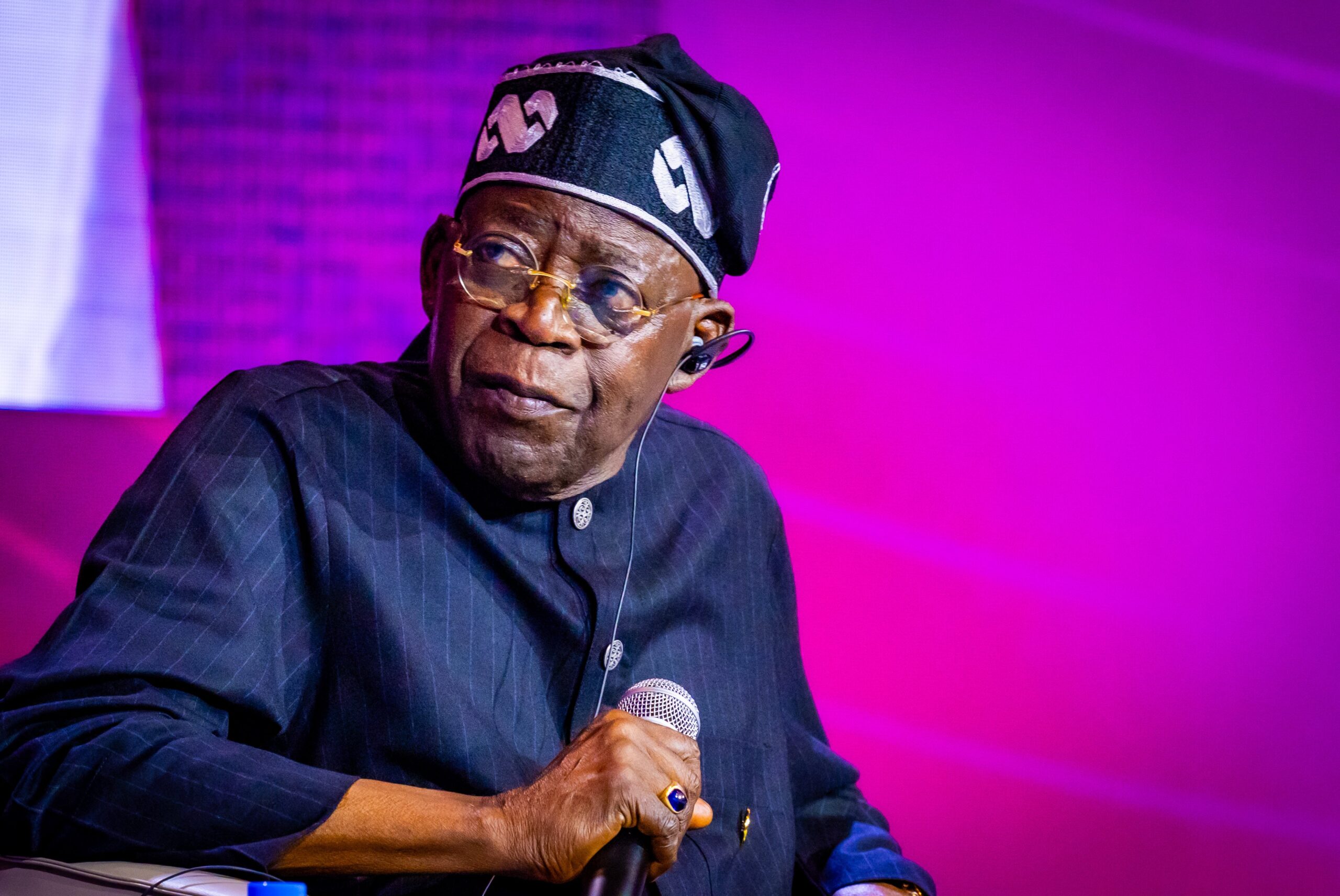
Tinubu Defends Economic Reforms at Africa CEO Forum
President Bola Tinubu has staunchly backed his administration’s economic reforms, including the removal of fuel subsidies, during a session at the Africa CEO Forum in Kigali, Rwanda. He asserted that these measures are essential to prevent Nigeria from facing economic collapse and to establish a path toward long-term stability.
Facing Tough Choices for the Future
During his address, President Tinubu acknowledged the discomfort that these reforms may cause to many Nigerians. However, he warned that continuing the current system, which he described as excessively reliant on subsidies, would only exacerbate the country’s financial woes. “Reform may be a difficult decision, but it is necessary for the country,” he emphasized.
Prioritizing Fiscal Responsibility
The president indicated that Nigeria was grappling with severe fiscal challenges even before the recent reforms, with many states struggling to fulfill basic responsibilities such as salary payments. He noted that “twenty-seven out of 36 states were unable to pay workers’ salaries,” underscoring the urgent need for financial restructuring.
Correcting Corruption and Dependency
In addressing the issue of subsidies, President Tinubu highlighted their detrimental impact on public finances, claiming they contribute to corruption, smuggling, and mismanagement within the oil sector. “It’s difficult and painful,” he likened the process to childbirth, suggesting that the initial hardship is necessary for eventual relief.
Building a Sustainable Tax System
The president also championed his administration’s tax reforms, arguing that civic and corporate contributions are vital for sustainable development. He posed a rhetorical question to emphasize the paradox: “I want a really good highway, but I don’t want it to go through my land. I want a good hospital, but I don’t want to pay taxes. How do we develop?” According to Tinubu, taxes provide the funding needed for infrastructure, healthcare, education, and social assistance programs.
Social Initiatives Amidst Backlash
Tinubu acknowledged the public criticism and backlash his administration faced following the reforms, but he expressed his determination to stay the course. “I stopped reading newspapers and commentaries because I knew there would be a huge backlash. But we have turned the corner. Today, there is a very bright light at the end of the corner,” he noted, asserting that Nigeria’s economy is becoming more stable.
Encouraging Local Production and Strong Partnerships
On the topic of industrial policy, President Tinubu stressed the importance of supporting local businesses and enhancing domestic production rather than relying heavily on imports. He pointed to key infrastructure projects, such as the Lagos-Calabar coastal expressway, as part of a broader initiative to stimulate economic activity and local manufacturing. Furthermore, he emphasized that materials like cement and steel for these projects would be sourced locally, reducing the strain on foreign exchange.
The president defended governmental support for major local investors, such as Dangote and BUA Group, highlighting their potential to generate jobs and encourage industrial growth. He reaffirmed Nigeria’s commitment to establishing regional partnerships and security cooperation, stating, “We cannot run the world in isolation,” and emphasized that Nigeria continues to maintain a prominent role in West Africa despite increasing geopolitical challenges.
