


Trump Administration Pursues Land for Border Barriers Near Iconic Mountain
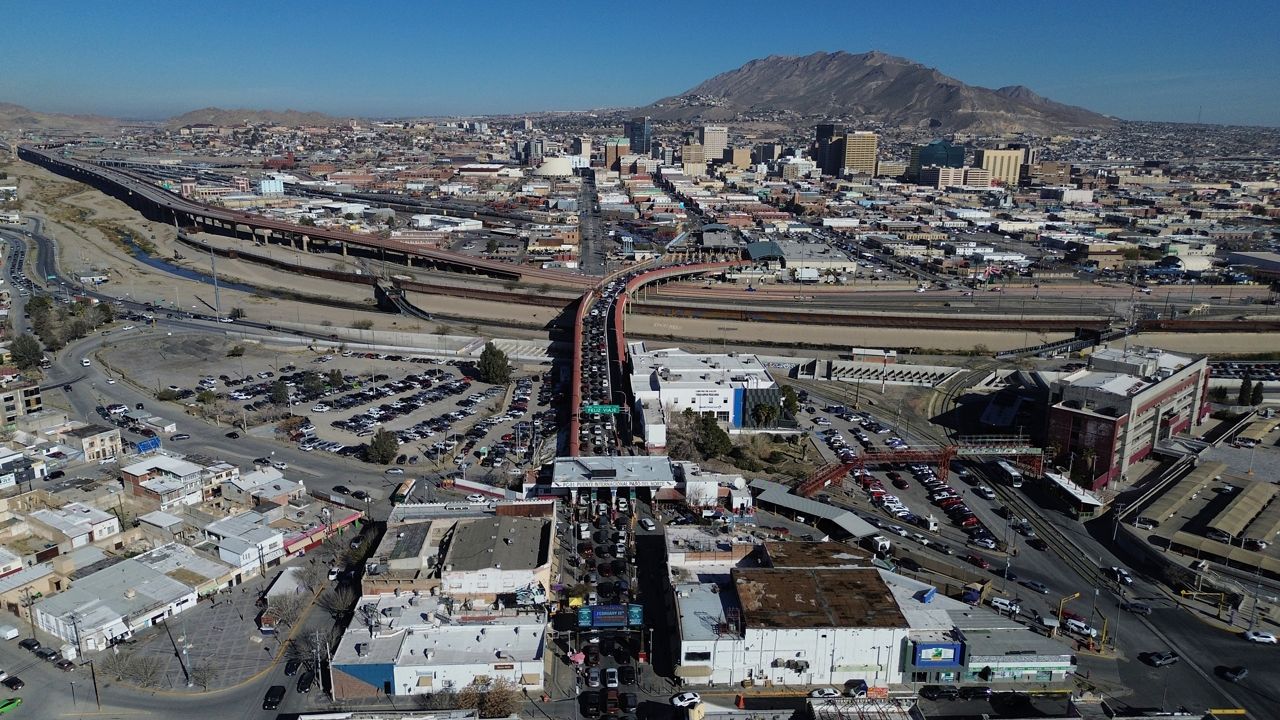
The Trump administration is seeking to acquire 14 acres of land at the foot of Mount Cristo Rey, a significant religious site located just outside El Paso. This land is currently owned by the Diocese of Las Cruces in New Mexico and is a popular destination for thousands who visit each year for religious pilgrimages.
Cristo Rey and Its Significance
Cristo Rey stands 720 feet tall and offers breathtaking views of El Paso, Ciudad Juarez, and Sunland Park, New Mexico. The mountaintop is crowned by an impressive 80-meter statue of Jesus Christ, making it a prominent symbol for the region.
Legal Actions Against the Diocese
Last week, federal lawyers initiated a lawsuit in New Mexico against the Diocese of Las Cruces, opposing the government’s bid to seize the land. The lawsuit argues that the federal government requires this area to erect border barriers and implement technology designed to enhance U.S.-Mexico border security.
Compensation Offered to the Diocese
According to court documents, the government has offered the church $183,000 for the land in question. However, the diocese contends that these actions infringe upon its First Amendment rights concerning religious expression.
Impact on Religious Practices
The diocese expressed concerns that constructing a border wall through this sacred area could irreparably damage its cultural significance and restrict pilgrimage routes. The church argues that such actions would violate the rights of worship and freedom of religious expression. Each fall, up to 40,000 pilgrims ascend Mount Cristo Rey, with masses traditionally held by the dioceses of Las Cruces and El Paso, often on the last Sunday of October or during the Feast of Christ the King in November. Many participants make this challenging journey barefoot or crawling on their knees out of devotion.
Community Reactions
Rep. Veronica Escobar, a Democrat from El Paso, criticized the government’s plans, suggesting they demonstrate a disregard for the community’s values. She emphasized that there are alternative approaches to enhancing border security that do not involve tampering with sacred sites.
Government Rationale and Environmental Concerns
The Trump administration claims the area is a corridor for human smuggling and aims to mitigate illegal immigration by closing this gap. Despite a decrease in migrant crossings through Texas, this region has reported a troubling number of migrant fatalities, even as military surveillance has intensified. Environmental advocates, such as conservationist Rey Aguilar from Ciudad Juárez, caution that increased barriers would threaten both local biodiversity and cultural connections across the border. Cristo Rey acts as a vital passage for wildlife between La Sierra de Juarez and El Paso’s Franklin Mountains.
Construction Initiatives and Future Plans
Last summer, the Trump administration announced plans for a border barrier in the vicinity, subsequently awarding a $95 million contract to Galveston-based SLSCO to construct a 30-foot steel barrier with concrete reinforcement. Following these developments, construction has already begun on a 2.32-mile section south of the mountains in Sunland Park. This endeavor reflects ongoing efforts by the administration to utilize the Eminent Domain Act to seize land, affecting several religious and cultural sites for border wall construction.
Opposition to Environmental Disruptions
While the U.S. Customs and Border Protection commissioner recently stated that fencing would not be built in national parks, plans remain for the deployment of surveillance technology in sensitive ecological areas—a move criticized for its potential to harm fragile desert landscapes. Incidents in Arizona where construction activities damaged ancient Native American ruins have heightened concerns surrounding the impact of such barriers.
This report was initially published by The Texas Tribune and is distributed through a partnership with The Associated Press.
